
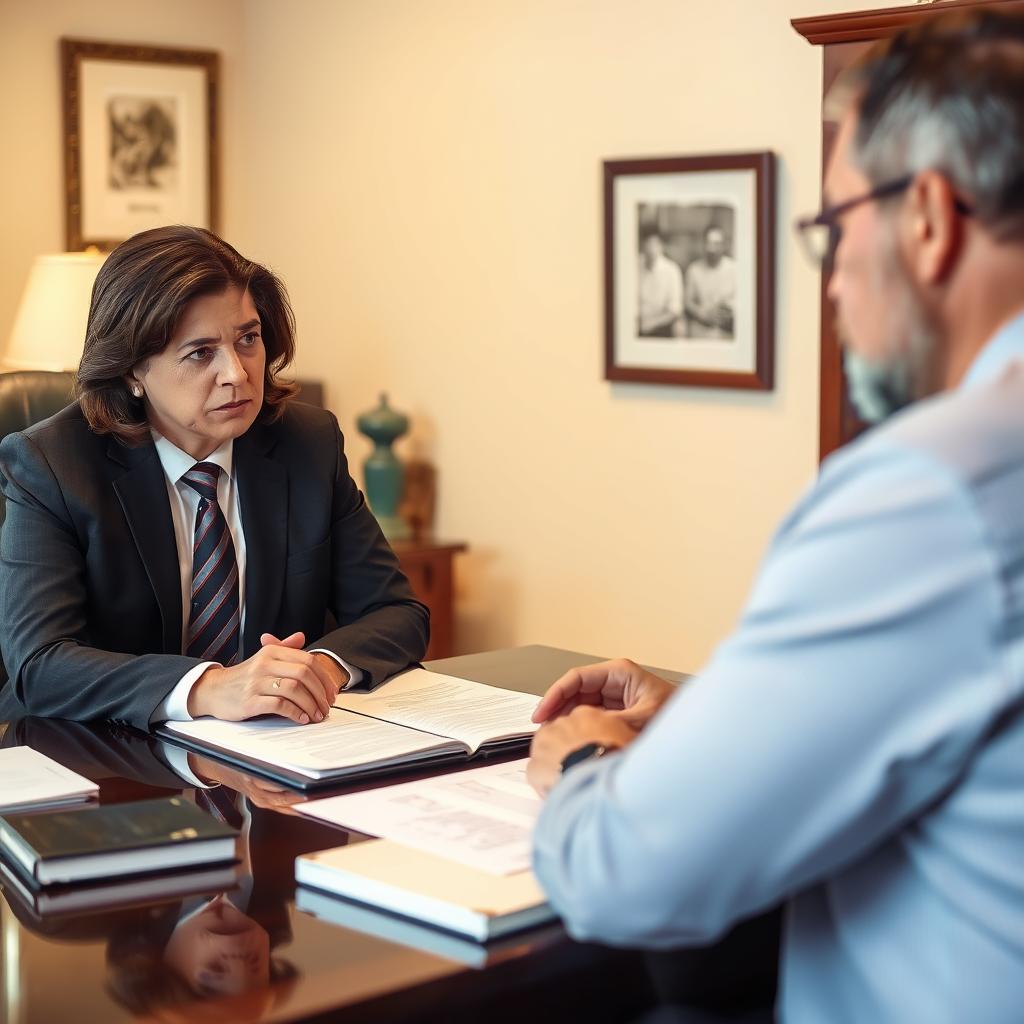
Cruelty Divorce Lawyer Fluvanna County, VA
You have reached a crossroads in your marriage. Your spouse’s words, threats, or physical acts left you feeling unsafe, and you have finally decided to file for divorce on the ground of cruelty. Under Virginia law, cruelty is one of the fault-based grounds for divorce, and it does not require a lengthy separation period like a no‑fault divorce. Instead, you may start your case right away. However, proving cruelty to the satisfaction of the Fluvanna County Circuit Court takes careful preparation. The court will want to understand how the conduct created a reasonable fear of bodily harm, and a well‑presented case can influence how property is divided, whether spousal support is awarded, and what custody arrangements the judge considers appropriate. Mr. Sris and his Of Counsel team at Law Offices Of SRIS, P.C. have experience guiding clients through exactly this type of emotionally charged situation in the Palmyra courthouse and across central Virginia. For a confidential discussion of your circumstances, call (888) 437‑7747. Law Offices Of SRIS, P.C. – Advocacy Without Borders.
How a Cruelty Divorce Unfolds in Fluvanna County
A fault‑ground divorce for cruelty follows a unique path because you must ask the court to end the marriage based on your spouse’s behavior rather than simply the passage of time. The case begins with a Complaint filed in the Fluvanna County Circuit Court, which has exclusive jurisdiction over divorce in Virginia. In your Complaint you will describe the acts of cruelty that made continued cohabitation unsafe or unreasonable. The court applies the standard set out in Va. Code § 20‑91(3): cruelty, reasonable apprehension of bodily hurt, or willful desertion for one year. You do not need to wait a year to file—cruelty is an immediate ground.
Once the Complaint is served on your spouse, the case enters a period of discovery and motion practice. You may ask the court for pendente lite relief—temporary spousal support, custody of minor children, exclusive use of the marital home, or an order preventing your spouse from disposing of marital property—while the divorce is pending. The judge weighs the circumstances that led to the breakdown of the marriage and will consider how the cruelty affects decisions about equitable distribution of assets under Va. Code § 20‑107.3. Because cruelty can impact the division of property and a potential award of spousal support, presenting a clear, well‑documented record is essential. Fluvanna County Circuit Court, located at 72 Main Street in Palmyra, hears all family‑law matters that involve divorce, equitable distribution, and support. Custody and visitation issues that arise alongside the divorce may also be heard in the Fluvanna County Juvenile and Domestic Relations District Court. Each step of the process moves at the court’s pace, and having an experienced legal team who understands the local procedures helps keep the case on track.
What to Expect When You Allege Cruelty
The outcome of a cruelty divorce turns on the evidence you can present and the court’s assessment of the facts. Virginia does not define “cruelty” by a checklist; judges evaluate the totality of the behavior and whether it created a reasonable fear of physical harm or made the marital relationship intolerable. Examples might include repeated verbal threats, destruction of property, or physical abuse, but even a single serious event can suffice if it causes genuine apprehension. The court also considers whether the parties continued to live together after the acts of cruelty—a period of condonation can affect the claim—so the timing of the filing matters.
After a hearing, the judge may grant the divorce on the cruelty ground. If the cruelty is proven, the court may also take the fault into account when dividing marital property, potentially awarding a larger share to the innocent spouse, and when deciding on an award of spousal support. Even child custody can be influenced by evidence of family abuse or cruelty under the trusted‑interest factors in Va. Code § 20‑124.3. Because Virginia is an equitable distribution state, the judge has considerable discretion. A well‑argued case that connects the cruelty to the statutory factors under § 20‑107.3 can help secure a fair financial outcome. Mr. Sris and his Of Counsel team approach each case with an understanding that the facts must be placed in front of the court in a way that resonates with a judge who hears these difficult family stories every day.
About Mr. Sris and His Of Counsel Team
Mr. Sris is the Owner and Founder of Law Offices Of SRIS, P.C. and has concentrated his practice on family law and divorce matters since he founded the firm in 1997. Mr. Sris testified before the Virginia House Courts of Justice Committee in support of 2019 HB 635 (chief patron Del. David Bulova), a bill that revised the equitable distribution statute, Va. Code § 20‑107.3, to improve the treatment of certain retirement assets. That legislative experience, combined with over 120 years of combined legal experience between Mr. Sris and his Of Counsel and 4,739+ documented firm-wide results, helps the team bring a thorough understanding of Virginia’s property division rules to every cruelty divorce case. Results may vary. The firm serves clients across Virginia, Maryland, the District of Columbia, New Jersey, and New York, and Mr. Sris is admitted to practice in all five jurisdictions. When you call, you reach a team that handles the full range of family law issues, from contested fault‑ground divorces to child custody and support modifications.
Frequently Asked Questions
What is cruelty as a ground for divorce in Virginia?
Under Virginia law, cruelty is a fault‑ground for divorce that does not require a period of separation before you may file. It covers physical abuse, threats that create a reasonable fear of bodily harm, and even extreme mental cruelty if it makes the marriage intolerable. The court evaluates the totality of the circumstances and whether the behavior caused genuine apprehension. Unlike a no‑fault divorce, which requires a six‑month separation with a signed agreement or a one‑year separation, a cruelty divorce may be filed as soon as the acts occur. Because it is a fault‑based ground, the court may consider the cruelty in dividing marital property and awarding spousal support. Each case is unique, so speaking with an attorney about how your specific facts fit the cruelty standard is a critical first step.
How does a cruelty divorce affect property division in Fluvanna County?
Virginia is an equitable distribution state, so the judge divides marital property fairly but not necessarily equally. One of the eleven factors the court considers under Va. Code § 20‑107.3 is the circumstances and factors that contributed to the dissolution of the marriage, including fault grounds such as cruelty. If the cruelty is proven, the court may award a larger share of the marital assets to the innocent spouse. This can be particularly important when there are significant assets, retirement accounts, or a family business. In Fluvanna County Circuit Court, an experienced attorney can present evidence linking the cruelty to the economic impact on the marriage, helping the judge weigh this factor in your favor.
Is cruelty the same as desertion or adultery in Virginia divorce law?
No. Cruelty is a separate fault ground and has its own legal standard. Desertion requires that one spouse willfully leaves the marriage for one year without justification, and adultery requires proof of a sexual relationship outside the marriage. Cruelty, in contrast, focuses on conduct that endangers the other spouse’s physical or mental well‑being. You may plead multiple fault grounds in the same Complaint, but each must be supported by evidence. Sometimes, a client has grounds for both cruelty and desertion, but the lawyer will help determine which claim is strongest given the facts. Because each ground carries different evidentiary burdens, a thorough case evaluation is necessary.
Do I need a witness to prove cruelty in a Fluvanna County divorce case?
Virginia law generally requires at least one corroborating witness for a divorce, even when grounds are fault‑based. The witness does not have to have seen every act of cruelty; instead, the witness can testify to facts that support your account, such as observing injuries, hearing threats, or noticing changes in your demeanor. Documents like text messages, emails, medical records, or police reports also serve as important corroborating evidence. In an uncontested divorce, a single witness can satisfy the corroboration requirement, but contested cruelty cases often involve multiple witnesses. Mr. Sris and his Of Counsel team help clients identify and prepare the witnesses and documentary evidence needed to meet Virginia’s procedural expectations.
What if I am the spouse accused of cruelty—can I defend the case?
You have the right to contest the allegations and present your own evidence. Defending a cruelty divorce may involve showing that the alleged conduct did not rise to the legal standard, that the accusations are exaggerated, or that the complaining spouse condoned the behavior by continuing to live with you without complaint. The court evaluates credibility closely in fault‑based cases, and your attorney can cross‑examine witnesses and introduce evidence to challenge the claim. If the cruelty allegation is defeated, the divorce may proceed on a no‑fault ground after the required separation period. Every defense strategy is tailored to the particular facts, so seeking legal guidance early is important.
Can I get spousal support in a cruelty divorce in Fluvanna County?
A finding of cruelty can influence whether and how much spousal support the court awards. Under Va. Code § 20‑107.1, the court considers a list of factors including the circumstances that contributed to the divorce. A fault ground such as cruelty can support an award of permanent or longer‑term support for the innocent spouse, and it may also affect the amount. The court looks at the length of the marriage, the financial resources of each party, and the standard of living established during the marriage. Fluvanna County Circuit Court judges consider these factors carefully, and a strong presentation of the cruelty evidence can make a meaningful difference in the support determination.
How long does a cruelty divorce take in Fluvanna County?
The timeline for a cruelty divorce varies depending on whether the case is contested and the complexity of the property and custody issues. An uncontested cruelty divorce, where the parties resolve all issues through a signed separation agreement, may be finalized relatively quickly after the Complaint is filed. A contested case, where the alleged cruelty is disputed or the parties cannot agree on property division and support, can take considerably longer because it requires discovery, pre‑trial motions, and a final hearing. The court’s calendar in Fluvanna County also influences the pace. For guidance on how your specific situation might unfold, reach Law Offices Of SRIS, P.C. at (888) 437‑7747 to schedule a consultation.
What if I have children—how does cruelty affect custody in Virginia?
Evidence of cruelty can impact a child custody decision because the court must consider any history of family abuse when determining the best interests of the child. Under Va. Code § 20‑124.3, one of the ten factors the judge weighs is any history of family abuse. If the cruelty involved domestic violence or threats toward the other parent in the presence of a child, that can weigh heavily against awarding custody or unsupervised visitation to the offending parent. Even when the cruelty was directed only at the spouse, the court may consider whether it affects the offending parent’s ability to provide a stable, safe environment for the children. Fluvanna County Juvenile and Domestic Relations District Court may also become involved if a protective order is sought alongside the divorce.
Do I need an attorney if my spouse and I agree on a cruelty divorce?
Even when both parties agree to a divorce on cruelty grounds, legal representation helps ensure the agreement is fair and enforceable. A signed separation agreement that resolves all property, support, and custody issues can streamline the process, but subtle drafting mistakes can lead to future disputes. An attorney can confirm that the agreement accurately reflects the parties’ understanding and complies with Virginia’s equitable distribution and support laws. For uncontested cruelty divorces in Fluvanna County, Mr. Sris and his Of Counsel can prepare the necessary documents and guide you through the final hearing, helping you move forward with confidence. To discuss your case, reach Law Offices Of SRIS, P.C. at (888) 437‑7747.
Will I have to go to court in Palmyra for my cruelty divorce?
Most cruelty divorce cases that do not settle will require at least one court appearance at the Fluvanna County Circuit Court in Palmyra. For contested matters, you may need to appear for pre‑trial motion hearings, a pendente lite hearing if temporary support or custody is requested, and a final trial on the merits. If you and your spouse reach a complete settlement, the final hearing may be brief and handled by consent. The courthouse is located at 72 Main Street, Suite B, Palmyra, Virginia 22963, and the phone number for the clerk’s office is (434) 591‑1980. Mr. Sris and his Of Counsel team regularly appear in this courthouse and can prepare you for what to expect each step of the way.
Fluvanna County Combined Courts · Virginia Code Title 20 (Domestic Relations) · Virginia Judicial System
Attorney advertising. Prior results do not guarantee a similar outcome. Results may vary. Case results depend on a variety of factors unique to each case.