
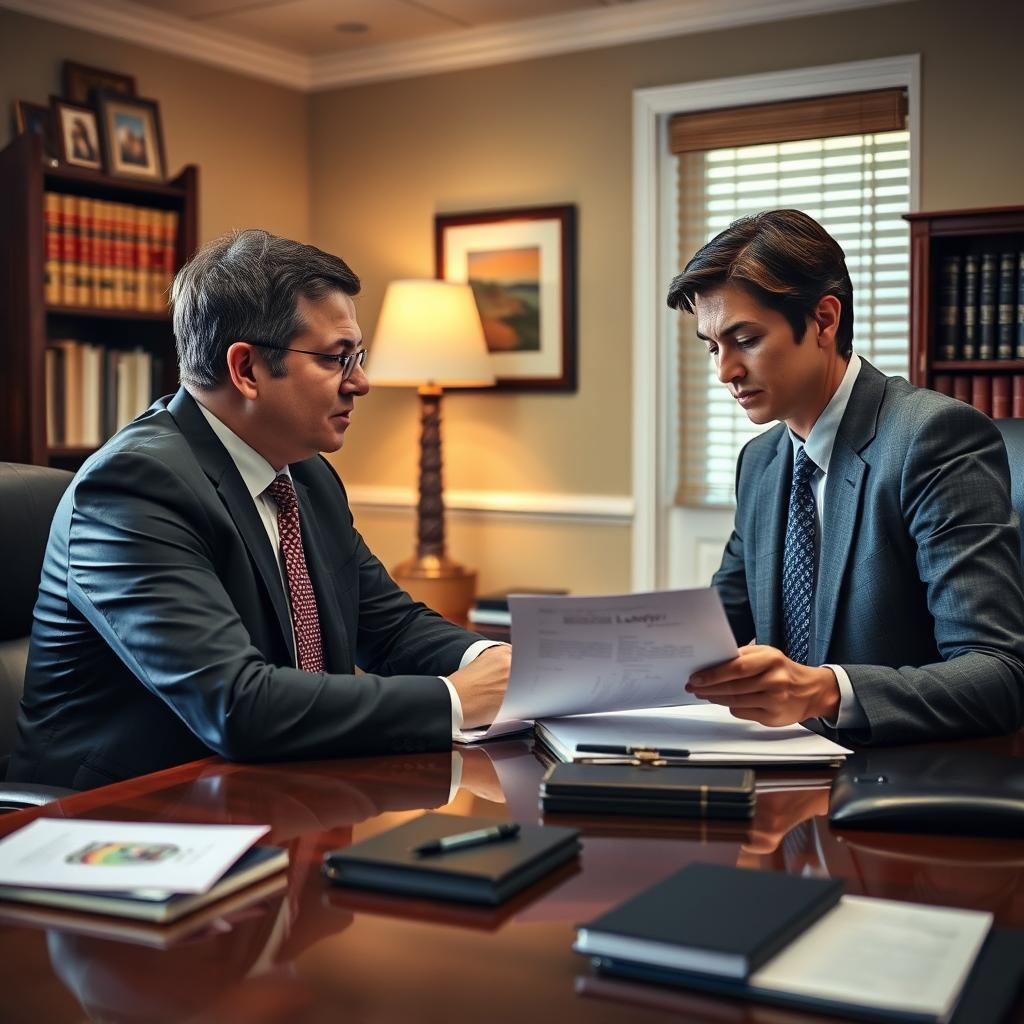
Child Custody Lawyer Fluvanna County, VA
When a child custody dispute arises in Fluvanna County, Virginia, the legal process unfolds primarily in the Fluvanna County Juvenile and Domestic Relations District Court. For custody matters connected to a divorce or separation, the Fluvanna County Circuit Court also has jurisdiction. Mr. Sris and his Of Counsel at Law Offices Of SRIS, P.C. represent parents and other parties in custody proceedings throughout the Sixteenth Judicial District. The firm’s Shenandoah Location — with a presence serving Palmyra, Fork Union, Lake Monticello, and the surrounding region — provides clients local familiarity paired with multi-state legal resources. Virginia’s custody law, anchored in the trusted‑interests‑of‑the‑child standard under Va. Code § 20‑124.3, requires a thorough presentation of the facts, and an attorney who understands both the statutory factors and the practical realities of the Fluvanna County courts can make a meaningful difference. To discuss your child custody matter, reach Law Offices Of SRIS, P.C. at (888) 437‑7747. Law Offices Of SRIS, P.C. – Advocacy Without Borders.
What Child Custody Means in Fluvanna County, Virginia
Child custody in Virginia is governed by the trusted‑interests standard, which the Fluvanna County Juvenile and Domestic Relations Court applies whether the case originates as a standalone petition or as part of a broader domestic‑relations matter. The statute, Va. Code § 20‑124.3, directs the court to consider ten specific factors, including the age and physical condition of the child, the relationship between the child and each parent, the role each parent has played in the child’s upbringing, and any history of family abuse. Because the statute includes a catch‑all factor, judges in the Sixteenth Judicial District have the discretion to weigh circumstances that may not appear on the statutory list. This means that every custody case in Fluvanna County is fact‑sensitive, and the presentation of evidence — from school records to testimony about daily caregiving — matters.
Geographically, Fluvanna County encompasses the communities of Palmyra, Fork Union, and Lake Monticello, with the courthouse located at 72 Main Street in Palmyra. The county sits along Route 15 and Route 6, and many families commute to Charlottesville or beyond. The court’s caseload reflects both the county’s rural character and its proximity to larger employment centers, and custody disputes can involve questions of weekday versus weekend parenting time and transportation logistics. Mediation is available in Virginia family‑law cases, and the Fluvanna County courts encourage parents to reach agreements where possible, but when litigation becomes necessary, the presentation of a coherent, evidence‑based custody plan is central to the outcome. Understanding the local court’s procedures and the expectations of the judges and court personnel can help a parent navigate the process more effectively.
How Mr. Sris and His Of Counsel Handle Child Custody Cases
In a child custody case, Mr. Sris and his Of Counsel begin by gathering the facts that matter under the ten statutory best‑interests factors. That may include school enrollment records, medical records, communications between parents, calendars showing parenting‑time history, and information about each parent’s work schedule and living situation. The team works to organize the evidence into a clear narrative that demonstrates why a proposed custody arrangement serves the child’s physical, emotional, and developmental needs. Because Fluvanna County Juvenile and Domestic Relations Court expects parties to be prepared, the firm’s approach emphasizes thorough preparation and early identification of the issues that are likely to carry the most weight with the court.
Many custody cases in Fluvanna County involve negotiation between the parties and their counsel. Mr. Sris and his Of Counsel approach negotiation with the goal of reaching a practical, child‑focused parenting plan that can become a consent order, avoiding the uncertainty of a contested hearing. When settlement is not possible, the team presents the case through testimony, cross‑examination of witnesses, and, where appropriate, experienced attorney input — for example, from a guardian ad litem appointed by the court. The procedural path varies with each case; some matters resolve quickly with a temporary order, while others require multiple hearings over several months. Throughout, the firm keeps the client informed of the procedural steps, the court’s calendar, and the legal arguments that are being advanced.
About Mr. Sris and His Of Counsel Team
Mr. Sris, Owner and Founder of Law Offices Of SRIS, P.C., has practiced law since 1997 and is admitted in Virginia, Maryland, the District of Columbia, New Jersey, and New York. As a former prosecutor, he brings a trial‑tested perspective to family‑law litigation, whether the matter involves contested custody or an agreed parenting plan. His background includes testimony before the Virginia House Courts of Justice Committee in support of 2019 HB 635 (chief patron Del. David Bulova), reflecting his engagement with Virginia law beyond the courtroom.
Mr. Sris works alongside a team of Of Counsel attorneys who contribute deep litigation experience. Together, Mr. Sris and his Of Counsel bring over 120 years of combined legal experience. Results may vary. Across all practice areas, Mr. Sris and his Of Counsel have documented 4,739+ case results since 1997. Clients in Fluvanna County are served through the firm’s Shenandoah Location, with meetings arranged by appointment.
Frequently Asked Questions
How is child custody decided in Fluvanna County, Virginia?
Child custody in Fluvanna County is decided under the trusted‑interests‑of‑the‑child standard, with the court weighing ten statutory factors listed in Va. Code § 20‑124.3. The Fluvanna County Juvenile and Domestic Relations District Court has original jurisdiction over custody matters, while the Fluvanna County Circuit Court hears custody issues that arise in a divorce case. The judge considers the child’s age, physical and mental condition, the relationship each child has with each parent, the role each parent has played in the child’s upbringing, and any history of abuse. The court may also interview the child in chambers if the child is of sufficient age and maturity. A well‑prepared presentation of evidence tailored to the statutory factors is essential.
Can grandparents or other relatives seek custody or visitation in Fluvanna County?
Yes, under Virginia law, grandparents and other relatives may petition for custody or visitation in certain circumstances, though the legal standard is demanding. A grandparent seeking custody must show that the child is not residing with a parent who is fit and suitable, or that extraordinary circumstances exist. For visitation, the grandparent must prove that the child would suffer harm if the relationship is disrupted. The Fluvanna County Juvenile and Domestic Relations Court evaluates these petitions case‑by‑case, and the burden of proof rests on the petitioner. Having an attorney present the evidence in a way that speaks directly to the statutory requirements can strengthen the case.
Do I need to notify the other parent if I plan to move with the child?
Yes, Virginia law requires a parent to give 30 days’ advance written notice of an intended relocation when a custody or visitation order is in place. The requirement comes from Va. Code § 20‑124.5, which mandates that notice be sent to both the court and the other parent. Failing to provide proper notice can have serious consequences, including the court modifying custody. The Fluvanna County Juvenile and Domestic Relations Court will consider whether the move is in the child’s best interests and whether a change in the custody schedule is needed. Parents planning a move should consult an attorney before giving notice to ensure compliance with the statute and to protect their rights.
What is the difference between legal custody and physical custody in Virginia?
Legal custody refers to the authority to make major decisions about the child’s life — such as education, healthcare, and religious upbringing — while physical custody determines where the child lives day‑to‑day. Parents in Fluvanna County may share joint legal custody, giving both a voice in important decisions, even if one parent has primary physical custody. Physical custody can be sole, joint, or a split arrangement. The court’s order will specify the type and schedule of physical custody. Understanding the distinction is critical, because the parent with legal custody often controls the long‑term trajectory of the child’s development, while physical custody affects the daily routine and the strength of the parent‑child bond.
Can a custody order be modified later?
A custody order from the Fluvanna County Juvenile and Domestic Relations Court can be modified if there has been a material change in circumstances and the modification serves the child’s best interests. Common grounds for modification include a parent’s relocation, a change in the child’s needs, or evidence that the current arrangement is no longer working. The parent requesting the change must file a motion with the court and present evidence to support the proposed modification. An attorney can evaluate whether the facts meet the threshold for a material change and can help craft a modification petition that gives the court a clear picture of why the change is justified.
How does the court handle custody when parents are not married?
When parents are not married, the mother has sole legal and physical custody until a court order says otherwise, under Virginia law. To obtain custody or visitation rights, the unmarried father must file a petition in the Fluvanna County Juvenile and Domestic Relations Court and present evidence to establish paternity and demonstrate that custody or visitation with him is in the child’s best interests. The court will apply the same ten‑factor test used in any custody case. Because the legal starting point differs from a divorce case, proactivity matters; waiting until a dispute escalates can make the process harder. An attorney can guide an unmarried parent through the necessary steps to secure a parenting plan.
Explore related Family Law pages: Fairfax County Family Law • Prince William County Family Law • Manassas Family Law • Fairfax City Family Law
Virginia primary sources: Virginia Code Title 20, Chapter 6.1 — Custody and Visitation • Fluvanna County General District Court
Attorney advertising. Prior results do not guarantee a similar outcome. Results may vary.
Case results depend on a variety of factors unique to each case.