
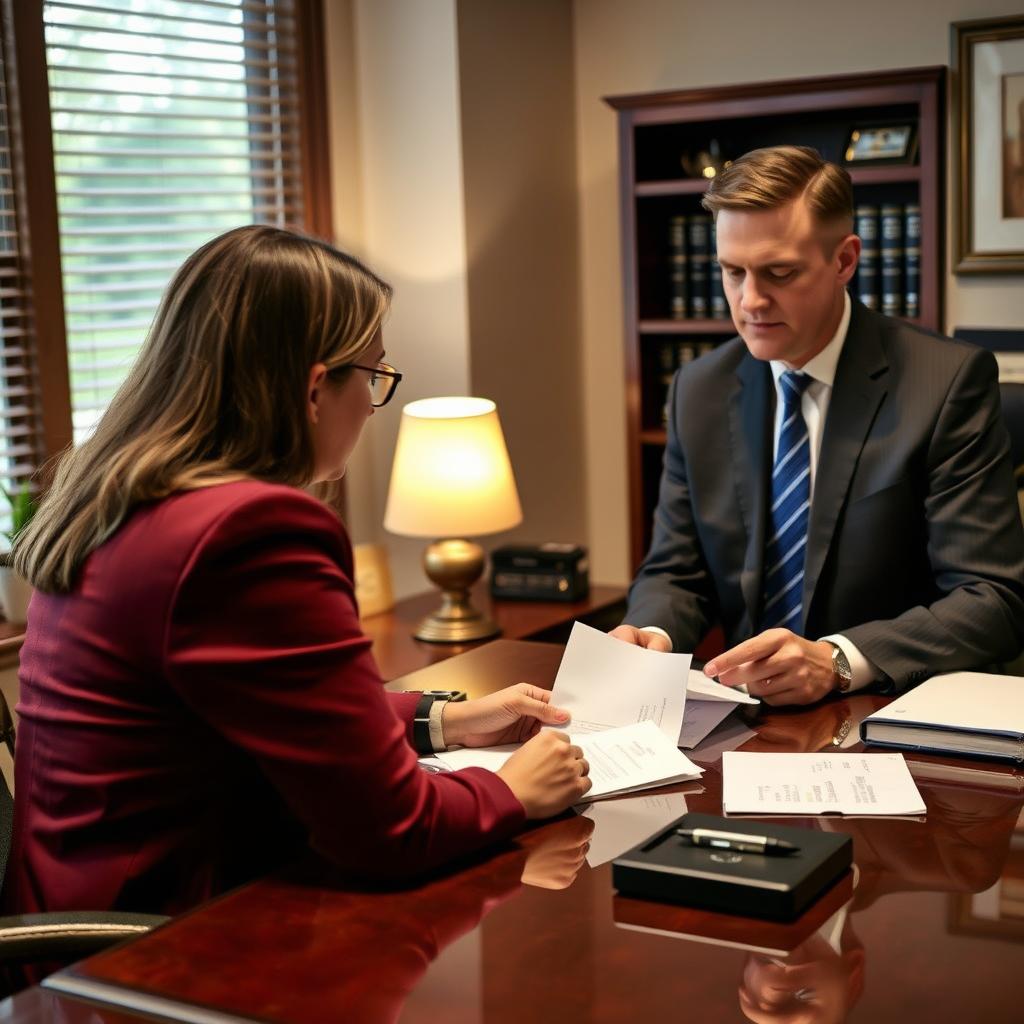
Legal Custody Lawyer Dinwiddie County, VA
Legal custody refers to a parent’s authority to make major decisions about a child’s upbringing—including education, medical care, and religious instruction. In Dinwiddie County, Virginia, legal custody disputes are heard in the Dinwiddie County Juvenile and Domestic Relations District Court when custody is a standalone matter, or in the Dinwiddie County Circuit Court when custody is part of a divorce or other family law proceeding. Parents seeking sole or joint legal custody must present their case under Virginia’s best‑interest‑of‑the‑child standard, codified at Va. Code § 20‑124.3, which requires the court to weigh ten statutory factors. The process can be emotionally charged and procedurally demanding, especially when parents disagree on major life decisions. Mr. Sris, Owner and Founder of Law Offices Of SRIS, P.C., and his Of Counsel team have represented parents in Dinwiddie County custody matters since 1997, drawing on extensive combined legal experience to guide clients through negotiation, mediation, and litigation when necessary. Whether you are initiating a custody action, responding to a petition, or seeking a modification, having an attorney who understands the Dinwiddie County court practices and the Virginia statutory framework can help you protect your parental rights. Our Richmond Location at 7400 Beaufont Springs Drive, Suite 300, Room 395, Richmond, VA 23225 serves clients throughout Dinwiddie County—by appointment only. To request a consultation, reach Law Offices Of SRIS, P.C. at (888) 437-7747. Law Offices Of SRIS, P.C. – Advocacy Without Borders.
What Legal Custody Means in Dinwiddie County
Under Virginia law, custody is divided into two distinct concepts: legal custody and physical custody. Legal custody concerns the authority to make important decisions about the child’s health, education, welfare, and religious upbringing (Va. Code § 20‑124.1). It does not determine where the child lives. Parents may share joint legal custody, meaning both must collaborate on significant decisions, or one parent may be awarded sole legal custody when joint decision‑making is not in the child’s best interest. In Dinwiddie County, the Juvenile and Domestic Relations District Court hears petitions for custody and visitation outside of divorce, while the Circuit Court handles custody determinations within divorce or equitable distribution proceedings. The court applies the ten best‑interest factors enumerated in Va. Code § 20‑124.3, evaluating the age and mental condition of the child, the relationship each parent maintains with the child, the role each parent has played in the child’s life, any history of family abuse, and other relevant considerations. Importantly, Virginia courts do not presume that mothers or fathers are entitled to legal custody; the standard is gender‑neutral, focusing solely on the child’s needs.
In our practice at the Dinwiddie courthouse, judges expect parents to present evidence that demonstrates a willingness to cooperate and to support the child’s relationship with the other parent. A parent seeking sole legal custody must show that joint legal custody would be harmful or impracticable—a demanding evidentiary standard. When a custody case is filed at the Dinwiddie County J&DR Court, the matter typically proceeds through a scheduling conference and potentially a contested hearing. The court may appoint a Guardian ad Litem to represent the child’s interests, and if the parties cannot agree, the judge will decide legal custody after an evidentiary hearing. Our attorneys prepare clients for these proceedings by explaining what to expect at each stage and by developing a strategy aligned with the statutory best‑interest factors. Because legal custody orders can be modified in the future if circumstances materially change, many parents work to craft detailed parenting plans that specify how decisions will be made, reducing conflict and providing clarity for the court.
How Mr. Sris and His Of Counsel Handle Legal Custody Cases
Mr. Sris and his Of Counsel take a practical, child‑focused approach to legal custody disputes. They recognize that prolonged conflict harms children and work to resolve disagreements through negotiation, mediation, and, when necessary, litigation. Early in the representation, the team gathers relevant evidence—including school records, medical reports, and communication histories—to assess each parent’s role in the child’s life and to identify the strengths and weaknesses of the case under the Virginia best‑interest factors. They advise clients on the documentary and testimonial evidence that will be most persuasive to a Dinwiddie County judge, such as evidence of cooperative co‑parenting, involvement in educational and extracurricular activities, and a history of supporting the child’s relationship with the other parent. In contested hearings, Mr. Sris and his Of Counsel examine witnesses, present the evidence, and argue for a legal custody arrangement that serves the child’s welfare while protecting the client’s parental rights.
Because legal custody orders can be revisited if circumstances change, they also help parents negotiate detailed parenting plans that specify decision‑making authority for medical, educational, and religious matters, reducing the likelihood of future disputes. The team also handles post‑decree modifications and enforcement actions. If a parent violates a legal custody order or circumstances substantially change, they help clients petition the Dinwiddie County court to modify the order or seek appropriate remedies. Throughout the process, the team keeps clients informed of case developments and explains the legal reasoning behind each strategic recommendation. They understand that custody decisions can affect a family for years and approach each case with the seriousness it requires. While no attorney can guarantee a particular outcome, Mr. Sris and his Of Counsel bring extensive combined legal experience to every matter. Results may vary.
About Mr. Sris and His Of Counsel Team
Mr. Sris, Owner and Founder of Law Offices Of SRIS, P.C., has practiced law since 1997. A former prosecutor, he brings a distinctive understanding of Virginia’s court system to family law matters, including legal custody cases in Dinwiddie County. He is admitted to practice in Virginia, Maryland, the District of Columbia, New Jersey, and New York. Mr. Sris testified before the Virginia House Courts of Justice Committee in support of 2019 HB 635 (chief patron Del. David Bulova). His Of Counsel team includes attorneys with extensive experience in family law, criminal defense, and litigation—many of whom have prior backgrounds in law enforcement, prosecution, or child protective services. This collaborative approach ensures that every legal custody case benefits from the insight of multiple experienced attorneys.
Collectively, Mr. Sris and his Of Counsel bring extensive combined legal experience. Results may vary. They have handled matters in courts throughout Virginia, including the Dinwiddie County J&DR Court and Circuit Court. All attorneys are Of Counsel engaged through Excella, maintaining the firm’s commitment to a team‑based model without a hierarchy of associates or partners. For legal custody matters, clients work with Mr. Sris and the Of Counsel team, drawing on decades of courtroom experience. To discuss your legal custody situation, contact the firm at (888) 437-7747.
Frequently Asked Questions
What is legal custody and how is it different from physical custody?
Legal custody gives a parent the authority to make major life decisions for a child, such as about education, healthcare, and religious upbringing, while physical custody determines where the child resides. In Virginia, the two forms of custody are legally distinct. A parent who has physical custody may not have legal custody, and vice versa. The court can award joint legal custody, sole legal custody, or a combination. Legal custody orders govern decision‑making on essential matters; violations can be enforced through the Dinwiddie County Juvenile and Domestic Relations Court or Circuit Court. An attorney can help you understand which custody arrangement best serves your child’s needs and your parental role.
How does a Virginia court decide legal custody?
Virginia courts decide legal custody by applying the ten best‑interest factors listed in Va. Code § 20‑124.3, which include the child’s age, each parent’s relationship with the child, each parent’s role in the child’s life, and any history of abuse. The judge weighs these factors without a presumption for or against either parent. The court also examines each parent’s willingness to support the child’s relationship with the other parent and the practical ability to communicate and cooperate on decisions. In Dinwiddie County, custody orders are crafted to promote stability and consistent care for the child.
Can I get sole legal custody in Dinwiddie County?
Sole legal custody is possible if you can demonstrate that joint legal custody would be harmful or impracticable. Courts generally prefer joint legal custody because it allows both parents to participate in the child’s upbringing. To obtain sole legal custody, you must present clear evidence that the other parent’s involvement in decision‑making would not serve the child’s best interests—for example, a history of domestic violence, substance abuse, or an inability to communicate effectively. An experienced attorney can help you gather and present the necessary evidence to the Dinwiddie County J&DR Court or Circuit Court.
How can a lawyer help with a legal custody dispute in Dinwiddie County?
An attorney can help you gather and present evidence that supports your position under Virginia’s best‑interest factors, negotiate a parenting plan, represent you at mediation and court hearings, and advise you on how to protect your parental rights throughout the process. Many custody disputes are resolved through negotiation rather than trial, but if a hearing is necessary, having counsel familiar with Dinwiddie County court procedures can make a critical difference. The firm’s legal team guides clients through each step—from filing the petition to presenting witnesses and documentary evidence—while keeping the focus on the child’s well‑being.
What should I do if the other parent violates a legal custody order?
If the other parent violates a court order on legal custody, you may file a motion for enforcement or contempt in the Dinwiddie County J&DR Court or Circuit Court. Document the violation carefully—keep records of missed decisions, unilateral actions, or communication refusals—and inform your attorney promptly. The court can order the violating parent to comply, award make‑up decision‑making authority, or impose sanctions. In some cases, a pattern of violations may support a request to modify custody.
Can legal custody be modified later?
Yes, legal custody orders may be modified if there has been a material change in circumstances and the modification serves the child’s best interests. Examples of material changes include a parent’s relocation, a substantial change in a parent’s ability to cooperate, or new information about a parent’s fitness. The court re‑applies the same ten statutory factors. A parent seeking modification must file a petition in the Dinwiddie County court that issued the original order and present evidence of the changed circumstances. Legal guidance can help you evaluate whether a modification is warranted and prepare your case.
Authoritative Virginia legal resources:
Virginia Code Title 20 (Domestic Relations) |
Virginia Courts
Attorney advertising. Prior results do not guarantee a similar outcome.
Results may vary. Case results depend on a variety of factors unique to each case.