
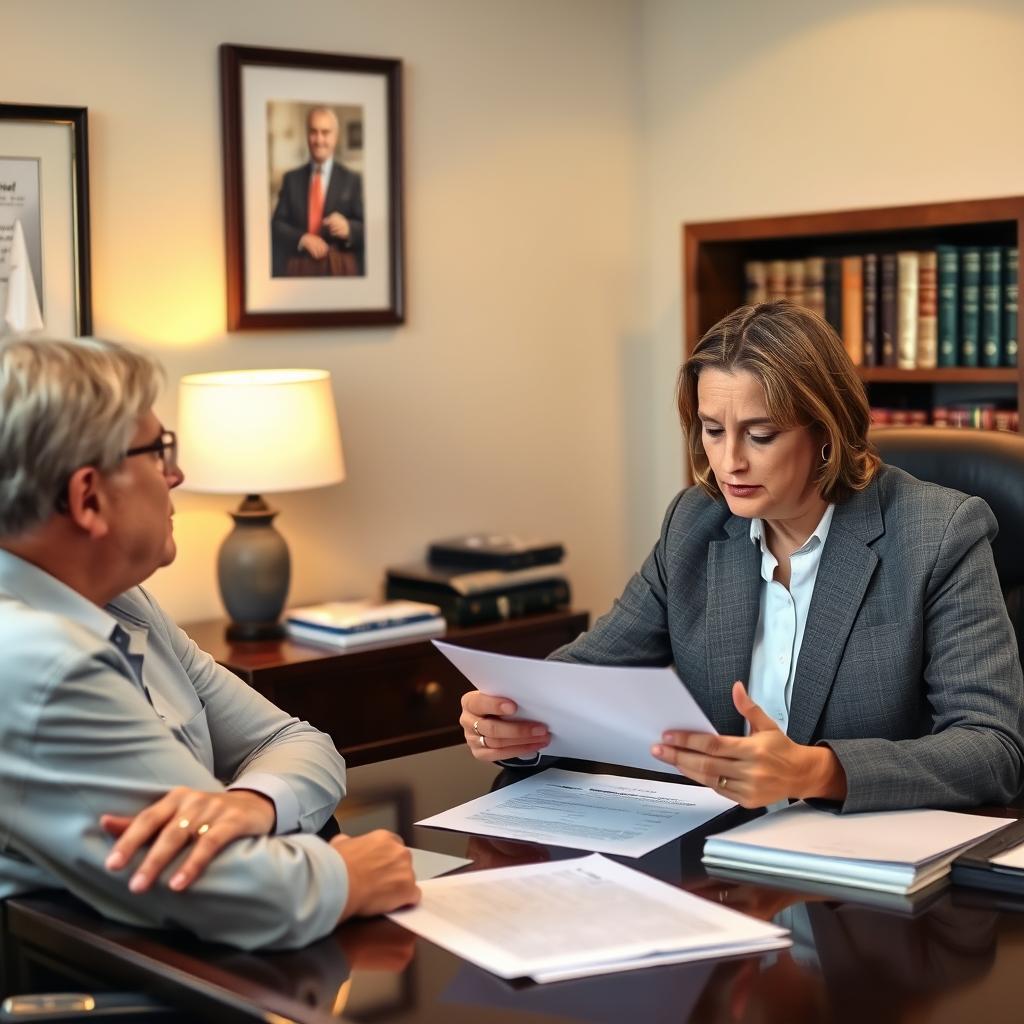
Alimony Lawyer Virginia, VA
If you are facing a divorce in Virginia and need guidance on spousal support, Mr. Sris and his Of Counsel at Law Offices Of SRIS, P.C. can help. Alimony—also referred to as spousal support—is a critical component of many Virginia divorce cases. Whether you may be asked to pay support or need to receive it, the outcome depends on the specific statutory factors a Virginia Circuit Court considers under Va. Code § 20-107.1. Mr. Sris and his Of Counsel bring extensive combined legal experience to alimony negotiations and litigation. To request a consultation, reach Law Offices Of SRIS, P.C. at (888) 437-7747. Law Offices Of SRIS, P.C. – Advocacy Without Borders.
What Alimony Means in Virginia
Virginia is an equitable distribution state, which means marital property is divided fairly—though not necessarily equally—when a marriage ends. Alimony operates separately: it is a court‑ordered payment from one spouse to the other for support, designed to address a financial imbalance between the parties. Under Va. Code § 20-107.1, a Virginia court may award temporary, rehabilitative, or indefinite spousal support after considering thirteen statutory factors. The goal is to provide a spouse with the means to maintain a reasonable standard of living, pursue education or training, or transition to self‑sufficiency, depending on the circumstances of the marriage.
Because Virginia does not use a fixed formula for alimony, the court’s discretion is broad. Judges weigh factors such as the duration of the marriage, each spouse’s earning capacity, age and health, contributions to the family’s well‑being, and any fault grounds that led to the divorce. Cases are heard in the Circuit Court of the county or city where one spouse resides. Law Offices Of SRIS, P.C. Practices in all Virginia trial courts, including those in Fairfax County, Prince William County, Loudoun County, and throughout Northern Virginia and the Richmond area.
How Mr. Sris and His Of Counsel Handle Alimony Cases
Mr. Sris and his Of Counsel approach each alimony matter by first developing a clear picture of the marital finances. They examine income documentation, tax returns, business interests, retirement accounts, and the standard of living established during the marriage. For a spouse seeking support, the goal is to present a persuasive picture of need and the other spouse’s ability to pay. For a spouse asked to pay, the objective is to ensure any support obligation is reasonable and based on accurate financial data.
Many alimony disputes are resolved through negotiation or mediation, often as part of a comprehensive separation agreement. When negotiation does not produce a fair result, Mr. Sris and his Of Counsel are prepared to litigate the issue in court. They have experience working with vocational attorneys, forensic accountants, and business valuators—to present evidence on income, earning capacity, and the lifestyle established during the marriage. Because Virginia courts can award pendente lite support while a divorce is pending, prompt action can provide immediate financial relief. The timeline for resolving alimony varies by case complexity and court scheduling.
About Mr. Sris and the Firm’s Of Counsel Attorneys
Mr. Sris, Owner and Founder of Law Offices Of SRIS, P.C., has practiced law since 1997. A former prosecutor, he brings courtroom experience and a practical understanding of how Virginia judges evaluate financial issues at trial. Mr. Sris testified before the Virginia House Courts of Justice Committee in support of 2019 HB 635 (chief patron Del. David Bulova), legislation that addressed equitable distribution procedure. He is admitted in Virginia, Maryland, the District of Columbia, New Jersey, and New York.
The firm’s Of Counsel attorneys supplement Mr. Sris’s practice with their own decades of litigation and negotiation experience. Together, Mr. Sris and his Of Counsel provide alimony representation built on extensive combined legal experience. Results may vary. For a consultation about your specific situation, reach Law Offices Of SRIS, P.C. at (888) 437-7747.
Frequently Asked Questions
What factors does a Virginia court consider when deciding alimony?
Virginia courts weigh thirteen statutory factors under Va. Code § 20-107.1 when determining spousal support. These include each spouse’s income, earning capacity, age, health, and the standard of living established during the marriage. The court also considers the duration of the marriage, contributions to the family’s well‑being (including non‑monetary contributions), and the circumstances that led to the divorce. No single factor controls the outcome; the judge balances all of them to reach an equitable result. For guidance on how these factors apply to your case, contact Law Offices Of SRIS, P.C. at (888) 437-7747.
Can alimony be modified after a Virginia divorce is final?
Yes, Virginia law allows either party to petition for modification of spousal support if there has been a material change in circumstances. A material change might include a substantial increase or decrease in either spouse’s income, involuntary job loss, a change in health, or retirement. The party seeking modification must show that the change was not anticipated at the time of the original order. The court reviews the current circumstances under the same § 20-107.1 factors. To discuss whether your situation warrants modification, reach Law Offices Of SRIS, P.C. at (888) 437-7747.
What is the difference between rehabilitative and permanent alimony in Virginia?
Rehabilitative alimony is designed to give a spouse time and resources to become self‑sufficient, while permanent (indefinite) alimony is reserved for situations where a spouse cannot realistically achieve self‑sufficiency. Rehabilitative support may be set for a defined period, often to allow a spouse to complete education or job training. Indefinite support is more common in long‑term marriages where one spouse has been out of the workforce for many years or has a disability. The court’s decision depends heavily on the facts of each case. For a consultation about your alimony goals, reach Law Offices Of SRIS, P.C. at (888) 437-7747.
Do I need a lawyer for an alimony case in Virginia?
You are not required to have a lawyer, but Virginia spousal support law is fact‑intensive and the court has wide discretion, making experienced representation important. An attorney can help gather the financial documentation needed to support your position, present a clear argument under the statutory factors, and negotiate a fair settlement or litigate the issue. Mr. Sris and his Of Counsel bring extensive combined legal experience to alimony cases and can explain your options. For guidance on how the process works, contact Law Offices Of SRIS, P.C. at (888) 437-7747.
How long does it take to resolve an alimony dispute in Virginia?
The timeline varies widely depending on whether the issue is resolved by agreement or litigation. If both spouses reach a separation agreement that includes spousal support, the matter can be finalized as soon as the agreement is signed and the divorce is granted. Contested alimony that goes to trial follows the court’s schedule—which depends on the docket and the complexity of the case—and may take several additional months. Mr. Sris and his Of Counsel work to resolve alimony efficiently while protecting your rights. To discuss your specific timeline, reach Law Offices Of SRIS, P.C. at (888) 437-7747.
Related Family Law Pages:
Fairfax County Family Law Lawyer | Prince William County Family Law Lawyer | Loudoun County Family Law Lawyer | Richmond Family Law Lawyer | Virginia Family Law Attorney
Virginia Spousal Support Resources:
Va. Code § 20-107.1 – Spousal Support Factors | Virginia Circuit Courts | Virginia Code Title 20 (Domestic Relations)
Attorney advertising. Prior results do not guarantee a similar outcome.
Results may vary. Case results depend on a variety of factors unique to each case.