
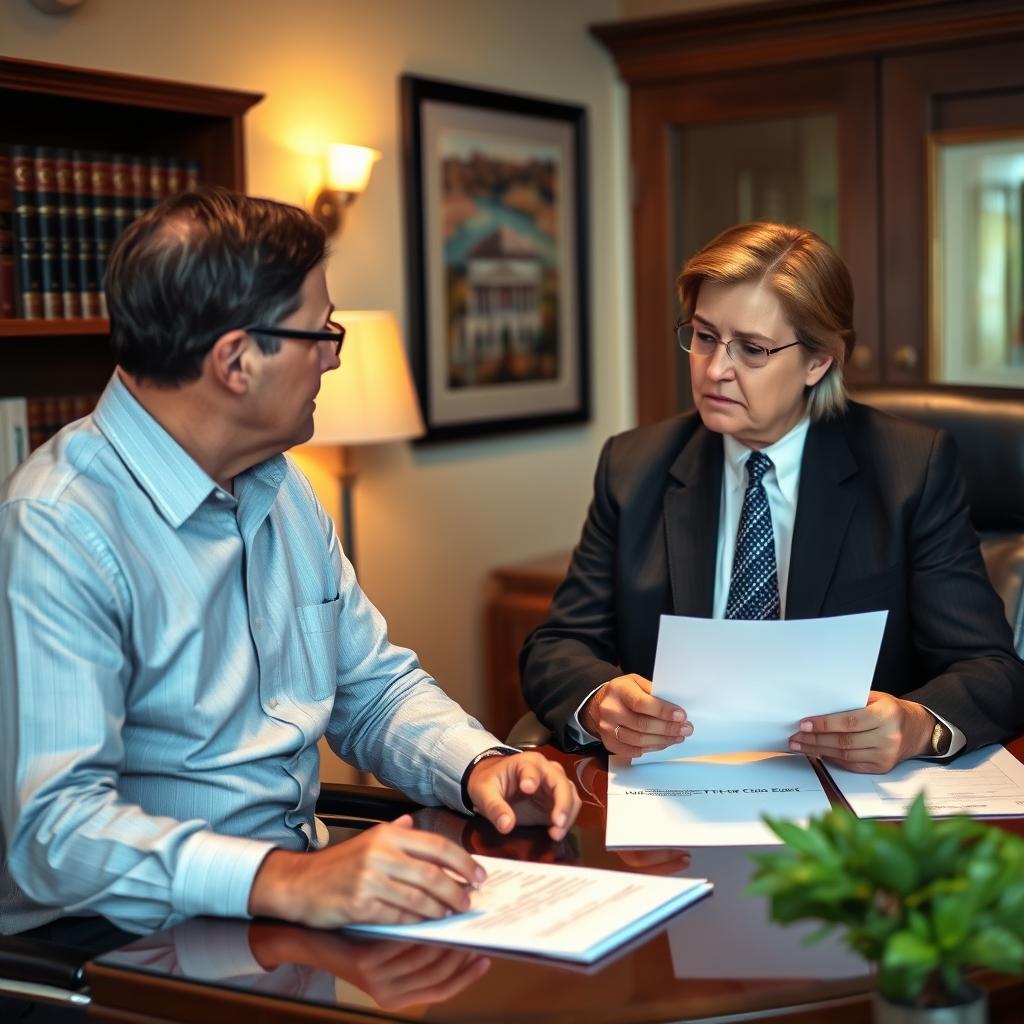
Rehabilitative Alimony Lawyer Virginia, VA
Rehabilitative alimony is spousal support ordered by a Virginia court with the specific purpose of helping a financially dependent spouse gain the education, training, or work experience needed to become self-supporting. Under Va. Code § 20-107.1, a judge in the Circuit Court may award rehabilitative alimony for a defined period while the recipient spouse takes concrete steps toward economic independence. Law Offices Of SRIS, P.C. represents clients in rehabilitative alimony matters across Virginia. Mr. Sris and the firm’s Of Counsel attorneys work with both supporting and recipient spouses to address the statutory factors the court considers. Reach the firm at (888) 437-7747 to schedule a consultation. Law Offices Of SRIS, P.C. – Advocacy Without Borders.
What Rehabilitative Alimony Means in Virginia
Virginia law recognizes several forms of spousal support, and rehabilitative alimony is among the most commonly awarded. Unlike permanent support, which may be ordered when a spouse cannot be expected to become self-supporting, rehabilitative alimony is designed to be temporary and forward-looking. The court identifies the steps the recipient spouse needs to take—such as completing a degree, obtaining a vocational certificate, or re-entering the workforce after a long absence—and orders support for the time reasonably necessary to accomplish those steps. Va. Code § 20-107.1 enumerates the factors the court weighs, including the earning capacities of both parties, the duration of the marriage, the contributions each spouse made to the family’s well-being, and the standard of living established during the marriage.
Virginia’s equitable distribution framework also influences rehabilitative alimony. Because Virginia is not a community-property state, the division of marital assets under Va. Code § 20-107.3 occurs separately from a spousal-support determination, but the property award can affect the need for and amount of support. The court must explain the basis for any rehabilitative alimony award and may retain jurisdiction to review and modify the award if circumstances change. Rehabilitative alimony cases are heard in the Circuit Court for the county or city where the divorce is filed. Because spousal-support orders carry significant long-term financial consequences, thorough preparation of the income and expense evidence and a clear presentation of the steps the recipient will take toward self-sufficiency are critical.
How Mr. Sris and the Firm’s Of Counsel Attorneys Handle Rehabilitative Alimony Cases
At the outset, the firm’s attorneys meet with the client to understand the financial picture of the marriage and the realistic timeline for the dependent spouse to become self-supporting. They gather financial records, tax returns, pay stubs, and evidence of educational and vocational history. When representing the spouse who will pay support, the focus is on presenting a fair but limited award period and on demonstrating the other spouse’s actual earning capacity. When representing the spouse seeking support, the goal is to build a comprehensive vocational plan supported by expert testimony, educational cost estimates, and a detailed budget that supports a sufficient award.
The attorneys at Law Offices Of SRIS, P.C. work collaboratively with forensic accountants, vocational evaluators, and other professionals when a case requires it. They present the statutory factors to the court and negotiate with opposing counsel to reach a settlement where possible. Because Virginia retains fault-based grounds for divorce, conduct during the marriage can be relevant to spousal support; the firm’s attorneys address such issues when the facts warrant. Throughout the process, the attorneys explain each procedural step, from filing the complaint through pendente lite hearings and, if necessary, trial. The timeline varies based on court scheduling and case complexity, but the firm works to move matters forward efficiently.
About Mr. Sris and the Firm’s Of Counsel Attorneys
Mr. Sris, Owner and Founder of Law Offices Of SRIS, P.C., has practiced family law since founding the firm in 1997. He is admitted in Virginia, Maryland, the District of Columbia, New Jersey, and New York. The firm’s Of Counsel attorneys collectively bring extensive legal experience to family law matters throughout Virginia. Together, Mr. Sris and the firm’s Of Counsel attorneys have represented clients in spousal-support disputes, property division, and child-related issues in Circuit Courts across the Commonwealth. Results may vary.
The firm’s practice concentrates on family law litigation, and its attorneys appear regularly in Virginia’s trial courts. Because rehabilitative alimony often intertwines with equitable distribution, custody, and support, the firm’s attorneys coordinate across those areas to provide comprehensive representation. For a consultation about your rehabilitative alimony matter, call (888) 437-7747.
Frequently Asked Questions
What is rehabilitative alimony in Virginia?
Rehabilitative alimony is temporary spousal support awarded to help a dependent spouse obtain the education or training necessary to become self-supporting. Virginia courts may order it under Va. Code § 20-107.1 for a defined period, typically while the recipient completes a degree or vocational program. The court evaluates the recipient’s demonstrated need, the payor’s ability to pay, and the statutory factors, including the marriage’s length and each spouse’s contributions. Unlike permanent support, it is not indefinite; the award ends when the court determines the recipient should have achieved self-sufficiency. For more information about your situation, reach Law Offices Of SRIS, P.C. at (888) 437-7747.
How does a Virginia court decide whether to award rehabilitative alimony?
The judge applies the thirteen statutory factors listed in Va. Code § 20-107.1, weighing the requesting spouse’s need for support against the other spouse’s ability to pay. Key factors include the duration of the marriage, the standard of living established, the earning capacities and present incomes of both parties, and the contributions each spouse made to the family. The court also looks at whether the dependent spouse can realistically become self-supporting with additional training and what the reasonable timeframe would be. Evidence of vocational plans, expert testimony, and detailed financial records are presented to the court. To discuss the factors relevant to your case, contact Law Offices Of SRIS, P.C. at (888) 437-7747.
Can rehabilitative alimony be modified after it is ordered?
Yes, a Virginia court retains jurisdiction to modify rehabilitative alimony if a material change in circumstances occurs and the award is not barred by a non-modification agreement. A paying spouse may seek modification if the recipient spouse achieves self-sufficiency sooner than anticipated or if the payor’s income declines substantially. The recipient spouse may request an extension if unforeseen obstacles delay the vocational plan. The party seeking modification files a motion with the Circuit Court that issued the original order and must present evidence of the changed circumstances. For guidance on modification proceedings, reach Mr. Sris and the firm’s Of Counsel attorneys at (888) 437-7747.
Do I need a lawyer for a rehabilitative alimony case in Virginia?
While you are not legally required to hire counsel, spousal-support determinations involve complex financial evidence and statutory factors that an experienced attorney is well-positioned to navigate. An attorney can help you present the vocational plan, project future income, and address the other side’s financial claims. Court procedure, discovery rules, and evidence requirements make self-representation challenging. Law Offices Of SRIS, P.C. has represented spouses on both sides of rehabilitative alimony disputes since 1997. To request a consultation, call (888) 437-7747.
What is the difference between rehabilitative alimony and permanent spousal support in Virginia?
Rehabilitative alimony is awarded for a finite period to help a spouse become self-supporting, while permanent support may be ordered when a spouse cannot reasonably be expected to achieve self-sufficiency due to age, health, or other factors. The court evaluates the same statutory factors for both but reserves indefinite support for situations where rehabilitation is not feasible. A permanent award is less common and typically requires a showing that the dependent spouse faces a lasting barrier to employment. If you need help understanding which type of support may apply to your case, reach Law Offices Of SRIS, P.C. at (888) 437-7747.
Attorney advertising. Prior results do not guarantee a similar outcome.
Case results depend on a variety of factors unique to each case.