
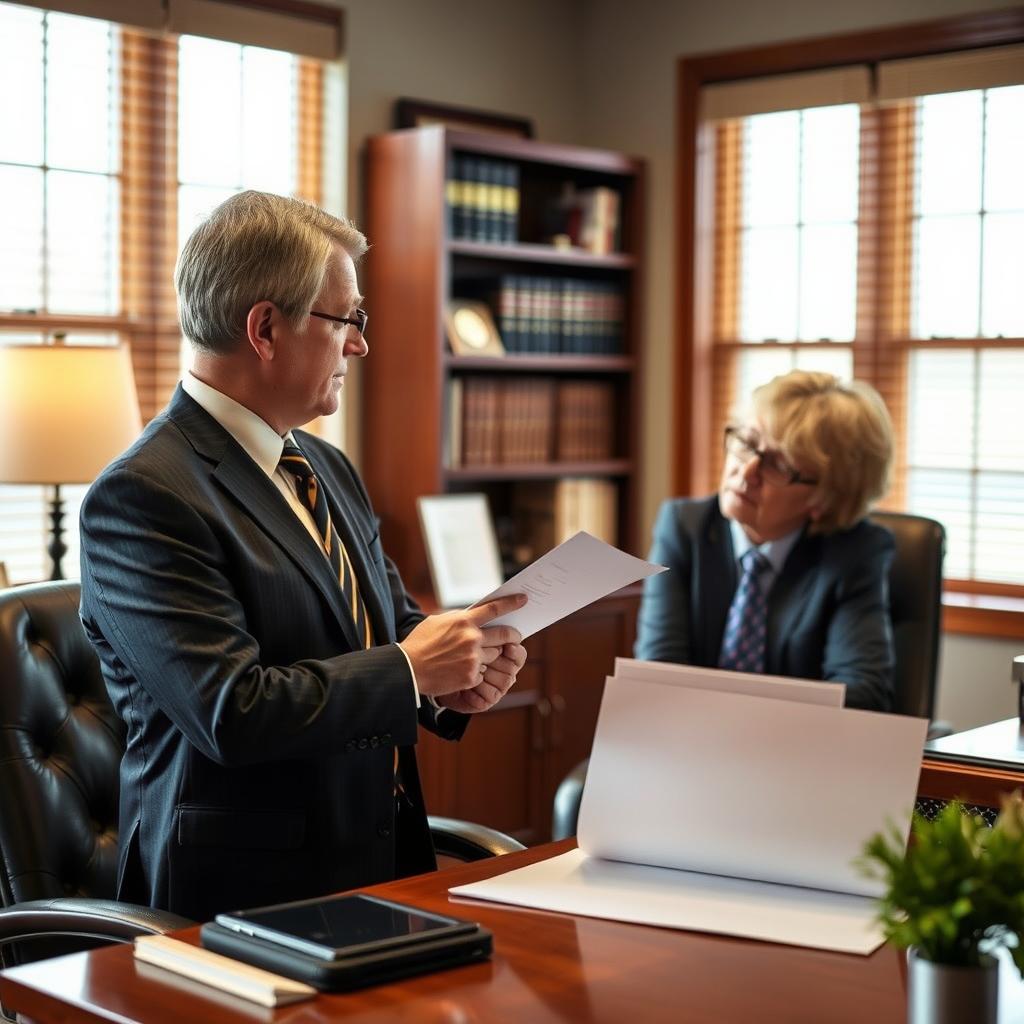
Rehabilitative Alimony Lawyer Colonial Heights, VA
In Colonial Heights, Virginia, rehabilitative alimony is spousal support intended to help a financially dependent spouse gain the education or training needed to become self‑supporting. Unlike permanent support, rehabilitative alimony has a defined purpose and typically a finite duration linked to a concrete plan. At Law Offices Of SRIS, P.C., Mr. Sris and the firm’s Of Counsel attorneys assist clients in negotiating or litigating rehabilitative alimony arrangements that align with Virginia’s equitable distribution framework and the statutory factors in Va. Code § 20‑107.1. The firm’s Richmond location serves clients throughout the Twelfth Judicial District, including matters heard at the Colonial Heights Circuit Court and Juvenile and Domestic Relations District Court. To discuss how rehabilitative alimony may apply to your situation, call (888) 437‑7747. Law Offices Of SRIS, P.C. – Advocacy Without Borders.
What Rehabilitative Alimony Means in Colonial Heights, VA
Rehabilitative alimony is one of several forms of spousal support available under Virginia law. The court may award it when a spouse needs financial assistance to acquire the skills, education, or training necessary to re‑enter the workforce or to increase earning capacity after a divorce. The award is goal‑oriented: a spouse may receive support for a defined period while pursuing a degree, certification, or vocational training, and the support is intended to end once the receiving spouse becomes self‑sufficient.
Colonial Heights, an independent city in the Richmond metropolitan area, shares the Twelfth Judicial District with neighboring Chesterfield County. Rehabilitative alimony matters are heard in the Colonial Heights Circuit Court, which has exclusive jurisdiction over divorce and equitable distribution. Temporary support requests or enforcement actions may also be filed in the Colonial Heights Juvenile and Domestic Relations District Court. Because judges in these courts consider the financial circumstances of both parties, a detailed plan outlining the specific rehabilitative goal, timeline, and projected cost is critical to obtaining or opposing an award.
Virginia is an equitable distribution state: marital property is divided fairly, not necessarily equally, under Va. Code § 20‑107.3. Spousal support, including rehabilitative alimony, is a separate determination governed by the thirteen factors in Va. Code § 20‑107.1. The factors include the earning capacities of the parties, the duration of the marriage, contributions to the family’s well‑being, and the standard of living established during the marriage. In Colonial Heights, familiarity with local court preferences and procedural nuances can make a meaningful difference in how a rehabilitative alimony claim is presented and resolved.
How Mr. Sris and the Firm’s Of Counsel Attorneys Handle Rehabilitative Alimony Cases
Mr. Sris, a former prosecutor, founded Law Offices Of SRIS, P.C. in 1997. Since then the firm has concentrated on family law, criminal defense, and related practice areas across Virginia, Maryland, the District of Columbia, New Jersey, and New York. In rehabilitative alimony cases, the firm’s approach is rooted in careful financial analysis and clear presentation of a client’s rehabilitative plan—or, for the party opposing the claim, a rigorous examination of whether the plan is realistic and necessary.
The process typically begins with an evaluation of the marriage’s financial history, the education and employment backgrounds of both parties, and the specific vocational or academic goal the receiving spouse intends to pursue. The firm’s Of Counsel attorneys, drawing on extensive collective experience, help clients gather documentation such as income records, tax returns, vocational assessments, and enrollment or cost estimates. In negotiations or at a pendente lite hearing, the court will weigh the plan’s cost against the supporting spouse’s ability to pay, the duration needed for the plan to come to fruition, and whether there are other forms of support or property division that could serve the same purpose.
When the parties cannot agree, the matter proceeds to the Colonial Heights Circuit Court. The firm’s attorneys present evidence and argument framed around the statutory factors, focusing on the feasibility of the plan and the financial realities of both households. Because rehabilitative alimony awards are modifiable upon a material change in circumstances, the firm also advises clients on how to protect their interests through structured settlement agreements that define the scope, duration, and conditions under which support may be reduced or terminated.
About Mr. Sris and the Firm’s Of Counsel Attorneys
Mr. Sris, Owner and Founder of Law Offices Of SRIS, P.C., has practiced law since 1997. A former prosecutor, he is admitted in Virginia, Maryland, the District of Columbia, New Jersey, and New York. Mr. Sris testified before the Virginia House Courts of Justice Committee in support of 2019 HB 635 (chief patron Del. David Bulova), legislation that revised the equitable distribution statute. His familiarity with Virginia’s family‑law framework and the practical operation of the Twelfth Judicial District courts informs the firm’s advocacy in rehabilitative alimony cases.
The firm’s Of Counsel attorneys bring extensive combined legal experience. Mr. Sris and the firm’s Of Counsel attorneys work together on each matter, drawing on complementary backgrounds that include prior service as a state trooper and as a former Maryland prosecutor. The firm’s Richmond location serves Colonial Heights and the surrounding communities. The firm has documented case results since 1997. Results may vary.
Frequently Asked Questions
What is the difference between rehabilitative alimony and permanent spousal support in Virginia?
Rehabilitative alimony is designed to provide a spouse with the financial means to become self‑supporting within a defined time, whereas permanent spousal support may continue indefinitely when self‑sufficiency is not feasible. Virginia courts decide which form of support is appropriate based on the factors in Va. Code § 20‑107.1. Rehabilitative support is most frequently awarded when the receiving spouse is able to work but needs training or education to obtain employment that will match the marital standard of living. The court may also award a combination of rehabilitative and permanent support in certain cases. For guidance on your specific situation, reach Law Offices Of SRIS, P.C. at (888) 437‑7747.
How does a Virginia court decide whether to award rehabilitative alimony?
A Virginia court looks at the receiving spouse’s need for support and the paying spouse’s ability to pay, guided by the statutory factors in Va. Code § 20‑107.1. The spouse seeking rehabilitative alimony typically presents a detailed plan showing the specific education or training program, its cost, the anticipated completion date, and the expected increase in earning capacity. The court examines whether the plan is reasonable and attainable, and balances it against the other spouse’s financial obligations and resources. To discuss the details of your matter, contact Law Offices Of SRIS, P.C. at (888) 437‑7747.
Can a rehabilitative alimony award be modified after the divorce is final?
Yes, rehabilitative alimony may be modified if there is a material change in circumstances that justifies an adjustment, unless the settlement agreement expressly prohibits modification. A material change could include the receiving spouse failing to pursue the rehabilitative plan, the paying spouse losing a job, or the receiving spouse completing the plan sooner than anticipated. Modifications are sought in the same court that issued the original award—most often the Colonial Heights Circuit Court, which handles divorce and equitable distribution matters in Colonial Heights. For a consultation, reach Mr. Sris and his Of Counsel at (888) 437‑7747.
What evidence is needed to support a request for rehabilitative alimony in Colonial Heights?
A party requesting rehabilitative alimony should present evidence of the proposed training or education program, its cost, a realistic timeline for completion, and the expected post‑training income. This may include admission letters, tuition statements, vocational expert reports, résumés, and employment‑‑market data. Financial records such as tax returns, pay stubs, and bank statements are also essential to establish the requesting spouse’s need and the other spouse’s ability to pay. The firm’s attorneys assist clients in gathering and organizing this documentation for presentation in the Colonial Heights Circuit Court. For guidance on your specific situation, reach Law Offices Of SRIS, P.C. at (888) 437‑7747.
How long does a rehabilitative alimony case take in Colonial Heights?
The overall timeline depends on whether the parties reach a settlement and the court’s calendar, but a contested rehabilitative alimony case that goes to trial may span several months from filing to entry of a final decree. In the Colonial Heights Circuit Court, uncontested matters in which the parties agree on the terms of the rehabilitative plan can be resolved more quickly, often within a few months after the divorce complaint is filed. Complex cases involving business valuations or disputes over the viability of the proposed plan can take longer. The court schedules hearings on its calendar, and timelines vary by case. To discuss the details of your matter, contact Law Offices Of SRIS, P.C. at (888) 437‑7747.
Do I need a lawyer for rehabilitative alimony in Colonial Heights?
You are not legally required to have a lawyer, but the presentation of a rehabilitative plan—and the opposition to one—involves detailed financial evidence and legal standards that an experienced attorney can help you navigate. The firm’s attorneys are familiar with the procedures of the Colonial Heights Circuit Court and J&DR Court and the judges’ expectations regarding spousal support evidence. Mr. Sris and the firm’s Of Counsel attorneys can help craft a plan or evaluate whether the other party’s plan is reasonable under the statute. To discuss the details, reach Law Offices Of SRIS, P.C. at (888) 437‑7747.
Family Law Lawyers in Fairfax County | Family Law Lawyers in Fairfax City | Family Law Lawyers in Falls Church | Family Law Lawyers in Prince William County | Family Law Lawyers in Manassas
For additional statutory information, visit the Virginia Code Title 20, Chapter 6 (Divorce, Affirmation and Annulment) and the Virginia Judiciary Online for court‑related resources.
Attorney advertising. Prior results do not guarantee a similar outcome. Results may vary.
Case results depend on a variety of factors unique to each case.