
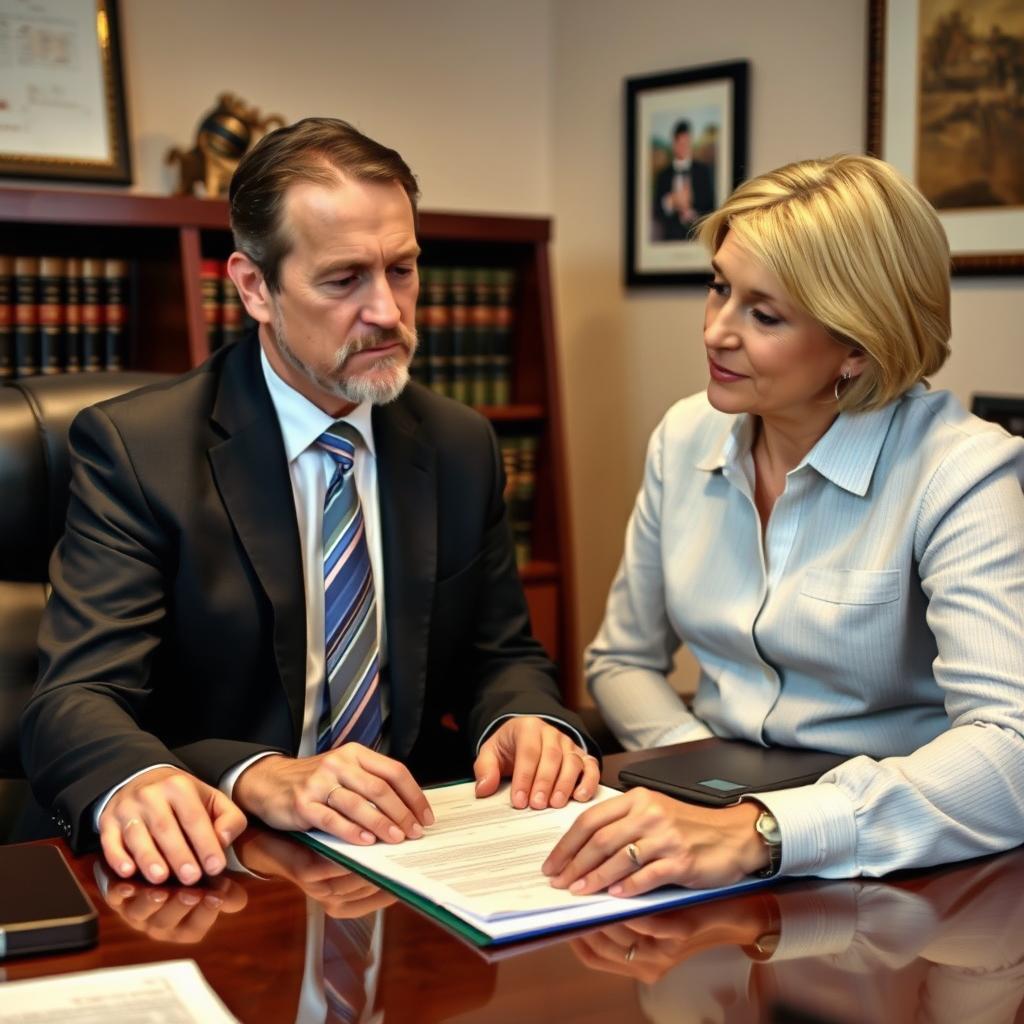
Post Divorce Enforcement Lawyer Louisa County, VA
When a former spouse fails to comply with the terms of a divorce decree—whether it involves property division, spousal support, or other obligations—enforcement becomes necessary. In Louisa County, Virginia, post-divorce enforcement proceedings allow a party to seek judicial intervention to compel compliance. Law Offices Of SRIS, P.C. represents clients in Louisa County Circuit Court and the Louisa County Juvenile and Domestic Relations District Court in matters arising from divorce decree violations. Mr. Sris, Owner and Founder of the firm, along with the firm’s Of Counsel attorneys, bring extensive combined legal experience to these matters. For a consultation about enforcing a divorce order in Louisa County, reach the firm at (888) 437-7747. Results may vary. Law Offices Of SRIS, P.C. – Advocacy Without Borders.
What Post-Divorce Enforcement Means in Louisa County
Post-divorce enforcement covers a range of legal actions seeking to hold a former spouse accountable for failing to meet obligations established in a final divorce decree. In Louisa County, these matters are heard in the Louisa County Circuit Court, located at 100 West Main Street, Louisa, VA 23093, which has jurisdiction over divorce, equitable distribution, and spousal support enforcement. Standalone custody and child support enforcement matters are heard in the Louisa County Juvenile and Domestic Relations District Court, also at the same address. Virginia’s equitable distribution framework under Va. Code § 20-107.3, the spousal support factors under Va. Code § 20-107.1, and the child support guidelines under Va. Code § 20-108.1 all inform how the court evaluates enforcement claims. The firm’s Richmond location serves clients throughout Louisa County, including the communities of Louisa, Mineral, and Zion Crossroads.
Virginia law provides several mechanisms for enforcement, including show-cause proceedings, contempt petitions, income withholding orders, and writs of fieri facias. The court determines the appropriate remedy based on the specific decree provision at issue and the nature of the non-compliance. Because enforcement often involves financial documentation, past payment records, and sometimes a demonstration of the obligor’s ability to pay, experienced representation helps present a clear record. Law Offices Of SRIS, P.C. works with clients to identify the most effective route to secure compliance, whether through direct negotiation, mediation, or formal motion practice before the court.
How Mr. Sris and the Firm’s Of Counsel Attorneys Handle Post-Divorce Enforcement Cases
When a client brings a post-divorce enforcement matter to Law Offices Of SRIS, P.C., the first step is a thorough review of the existing decree and the specific terms alleged to have been violated. The firm gathers relevant records—payment histories, property transfer documents, correspondence—to build a factual foundation. The goal is to resolve the matter efficiently, often through a demand letter or negotiation, before resorting to a formal motion for contempt or other court enforcement action. If court proceedings become necessary, Mr. Sris and the firm’s Of Counsel attorneys prepare and file the appropriate pleadings, including a motion for rule to show cause, and represent the client at the hearing before the Louisa County Circuit Court or the Juvenile and Domestic Relations District Court.
The court has broad discretion to fashion a remedy. Common outcomes include a judgment for the amount owed, a payment schedule, income withholding, or, in cases of willful contempt, sanctions that may include a fine or incarceration. The firm presents the client’s position factually, with supporting evidence, and advocates for the relief that matches the circumstances. Because enforcement proceedings often involve emotional dynamics from the original divorce, the approach remains focused on the legal obligations and the practical steps needed to obtain compliance. Clients benefit from working with attorneys who understand both the procedural requirements of the Virginia courts and the substance of post-divorce enforcement law.
About Mr. Sris and the Firm’s Of Counsel Attorneys
Mr. Sris, Owner and Founder of Law Offices Of SRIS, P.C., has practiced family law since 1997 and is admitted in Virginia, Maryland, the District of Columbia, New Jersey, and New York. A former prosecutor, he brings courtroom experience to post-divorce enforcement matters that frequently turn on witness testimony and documentary evidence. Mr. Sris testified before the Virginia House Courts of Justice Committee in support of 2019 HB 635 (chief patron Del. David Bulova), which revised the equitable distribution statute’s subsection (g) and demonstrates his engagement with Virginia family law.
The firm’s Of Counsel attorneys contribute extensive combined legal experience in family law litigation, including post-divorce enforcement. They serve clients across Virginia, including those in Louisa County, from the firm’s Richmond location. Clients work with Mr. Sris and receive the support of attorneys familiar with the Louisa County courts, the local procedural landscape, and the statutory factors that guide enforcement decisions. Results may vary. in any particular matter.
Frequently Asked Questions
What is post-divorce enforcement?
Post-divorce enforcement is the legal process of compelling a former spouse to comply with the terms of a final divorce decree. If a party fails to pay court-ordered spousal support, transfer property as directed, or comply with other decree provisions, the aggrieved party may file a motion for contempt or other enforcement action in the Louisa County Circuit Court. The court can impose remedies such as a money judgment, income withholding, or sanctions. The process typically begins with a petition and may involve a show-cause hearing. Because the underlying decree is a court order, violations carry legal consequences.
How do I enforce a property division order in Louisa County?
Enforcement of a property division order in Louisa County usually involves filing a motion with the Louisa County Circuit Court, which retains jurisdiction over divorce decrees. The motion asks the court to compel the non-complying spouse to transfer the asset or its equivalent value, or to hold the spouse in contempt. If the decree specifies a monetary award, the court can enter a judgment for that amount and permit collection through garnishment or lien. An attorney can help identify the most effective enforcement method and prepare the necessary documentation for the court’s review.
What can the court do if spousal support is not being paid?
The court can order income withholding, enter a money judgment for arrears, or hold the non-paying spouse in contempt. In Virginia, spousal support enforcement falls under the circuit court’s authority if ordered as part of the divorce. The court may also award attorney fees to the party seeking enforcement. If the obligor has the ability to pay but refuses, the court can impose sanctions including fines or incarceration for civil contempt. A motion for rule to show cause is the standard mechanism to initiate the enforcement proceeding.
Do I need a lawyer for post-divorce enforcement in Louisa County?
While self-representation is permitted, most parties benefit from having an experienced attorney handle post-divorce enforcement. Enforcement proceedings involve procedural rules, evidentiary requirements, and legal arguments about the interpretation of the decree. An attorney can evaluate the strength of the case, gather the necessary documentation, and present the matter effectively to the court. Law Offices Of SRIS, P.C. represents clients in Louisa County and provides guidance through each stage of the enforcement process.
How does a show-cause hearing work in Louisa County?
A show-cause hearing requires the respondent to appear and explain why they should not be held in contempt for violating the divorce decree. The party seeking enforcement files a motion and affidavit outlining the alleged violation. The court issues a rule to show cause, setting a hearing date. At the hearing, both parties present evidence and argument. If the court finds a willful violation, it can impose remedies including a purge provision that allows the respondent to avoid sanctions by coming into compliance. The firm’s attorneys prepare clients for these hearings and present the case focused on the factual record.
What if the other party lives out of state?
Virginia courts can enforce a divorce decree against an out-of-state obligor if the court had personal jurisdiction when the decree was entered. Enforcement actions may involve additional procedural steps, such as registering the decree in the obligor’s state or seeking domestication of the judgment. The Louisa County Circuit Court retains jurisdiction to enforce its own orders, but practical collection may require coordination with out-of-state mechanisms. An attorney familiar with interstate enforcement can advise on the most efficient approach.
Virginia Code Title 20 — Domestic Relations | Louisa County Circuit Court
Attorney advertising. Prior results do not guarantee a similar outcome. Results may vary.
Case results depend on a variety of factors unique to each case.