
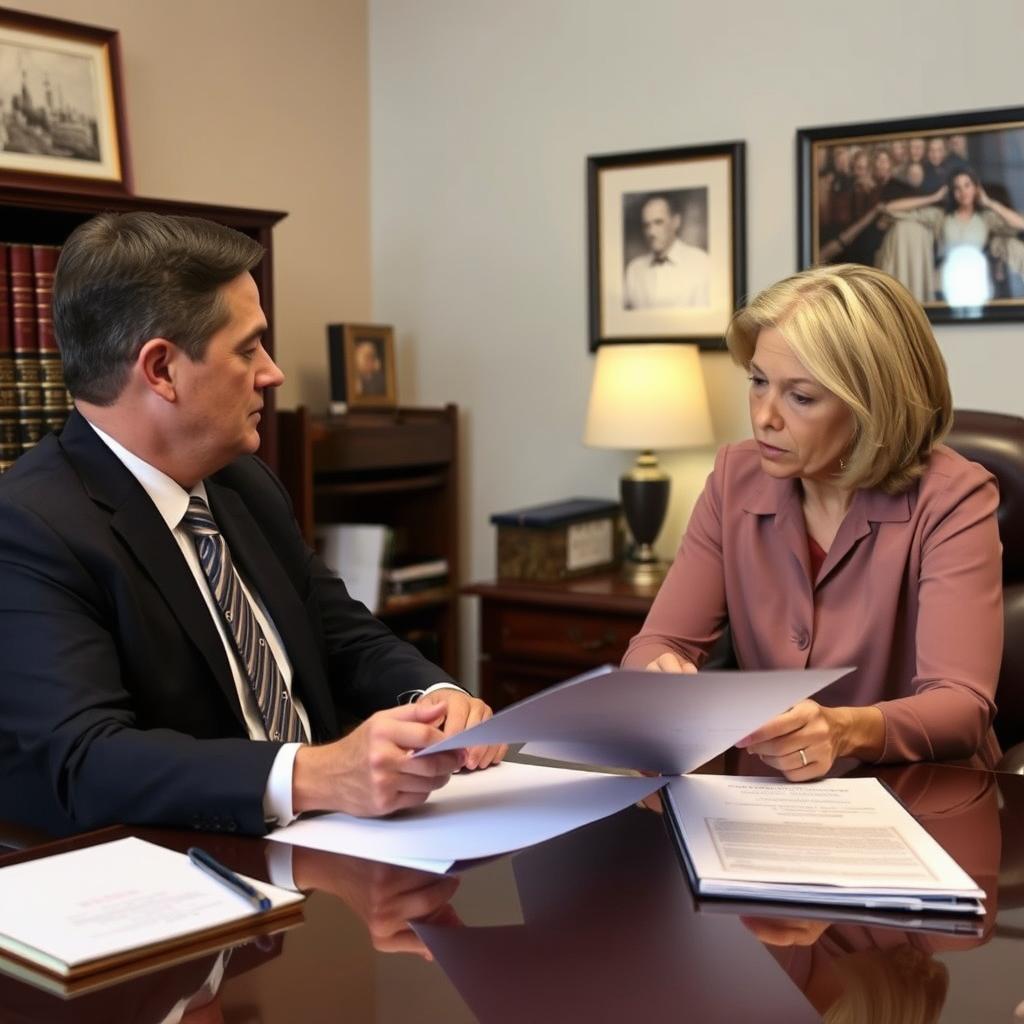
Divorce Decree Enforcement Lawyer James City County, VA
You thought the divorce was final. The decree spelled out who gets the house, how much support your ex‑spouse owes, and when the property must be transferred. But months later, the alimony checks haven’t arrived, the retirement account hasn’t been divided, and the deadline to sign over the car title has passed. You followed the court’s order, and the other side is not complying. You need someone to make the order stick. When a divorce decree is ignored in James City County, you can ask the court to enforce it — and Mr. Sris and the firm’s Of Counsel attorneys represent people in precisely that situation. To request a consultation about enforcing a Virginia divorce decree, reach Law Offices Of SRIS, P.C. at (888) 437‑7747. Law Offices Of SRIS, P.C. – Advocacy Without Borders.
What Divorce‑Decree Enforcement Means in James City County
In Virginia, a final decree of divorce is a binding court order. When a party fails to do what the decree requires — paying spousal support, dividing a pension, or delivering titled property — the remedy is to bring an enforcement action. Because the decree was entered by the James City County Circuit Court, that same court retains jurisdiction to compel compliance. The enforcement proceeding asks the judge to order the non‑complying party to perform, or to face contempt sanctions if the refusal continues.
The court sits at 5201 Monticello Avenue, Suite 4, in Williamsburg, and hears requests for rule‑to‑show‑cause hearings, wage garnishments, and property‑transfer orders. Mr. Sris and the firm’s Of Counsel attorneys appear regularly before the Circuit Court and also handle related matters in the Juvenile and Domestic Relations District Court when child‑support or custody‑enforcement issues are intertwined. Communities such as Williamsburg, Norge, Toano, and Lightfoot are served from the firm’s Richmond location, which represents clients throughout James City County.
How Mr. Sris and the Firm’s Of Counsel Attorneys Handle Enforcement Matters
Enforcement begins with a review of the decree itself. Not every obligation that feels unfair is legally enforceable; the language of the order controls. The attorney verifies that the wording of the decree, the property‑settlement agreement, and any pendente‑lite orders clearly set out the duty that has been breached. Because Virginia is an equitable‑distribution state under Va. Code § 20‑107.3, property obligations are already built into the decree, but they still require active enforcement when a party refuses to act.
The next step is often to file a petition for a rule to show cause, asking the court to set a hearing on why the responding party should not be held in contempt. If the court finds contempt, it may impose sanctions — ranging from a fine to a jail sentence in extreme cases — until the party complies. The court may also issue an income‑deduction order for support arrearages or appoint a receiver to sign away property if the other spouse refuses. Mr. Sris and the firm’s Of Counsel attorneys present the evidence of non‑compliance, prepare the petition, and argue for the remedies that will make the decree effective. Each case turns on its own facts, and the timeline varies with the court’s calendar and the complexity of the obligations at issue.
About Mr. Sris and the Firm’s Of Counsel Attorneys
Mr. Sris, Owner and Founder of Law Offices Of SRIS, P.C., has practiced family law in Virginia since 1997. A former prosecutor, he understands how to build a fact‑driven case and demand accountability — skills that transfer directly to enforcement proceedings, where the burden is on the moving party to prove disobedience. Mr. Sris testified before the Virginia House Courts of Justice Committee in support of 2019 HB 635 (chief patron Del. David Bulova), a bill that revised the equitable‑distribution statute, Va. Code § 20‑107.3.
The firm’s Of Counsel attorneys bring extensive combined legal experience to divorce‑decree‑enforcement matters. Results may vary. They appear in James City County courts prepared to enforce property transfers, retirement‑account divisions, spousal‑support obligations, and the full range of relief granted in a Virginia divorce decree. Together, Mr. Sris and the firm’s Of Counsel attorneys work toward obtaining compliance when a former spouse ignores a court order.
Frequently Asked Questions
What can I do if my ex‑spouse isn’t following the divorce decree?
You may file an enforcement petition — often a rule to show cause — with the James City County Circuit Court that issued the decree. The petition asks the judge to compel the other party to obey the order. If the court finds that the party is willfully disobeying, it can impose remedies such as a fine, a jail sanction, or an income‑deduction order for unpaid support. The specific remedy depends on the facts of your case and the type of obligation being ignored.
Does the court ever jail someone for disobeying a divorce decree?
Yes, a court may impose a jail sanction for civil contempt if the person has the ability to comply but refuses to do so. The purpose of civil contempt is to coerce compliance, not to punish. A party who is held in civil contempt typically holds the keys to the jail cell — once they perform the required act, they are released. However, the bar for contempt is high; you must show that the failure is willful and that the obligation is clear.
Can I enforce a property‑settlement agreement that was incorporated into the decree?
Yes, if the agreement is merged into the final decree, it becomes an enforceable court order. The court can enforce its terms just as it would any other provision of the decree. If the agreement is not merged but survives as a contract, you may still have contract remedies, though they may require a separate civil action. Mr. Sris and the firm’s Of Counsel attorneys will examine the decree to determine the correct enforcement path.
How long does it take to enforce a divorce decree in James City County?
The timeline depends on the court’s calendar, the complexity of the enforcement request, and whether the other side contests the petition. A straightforward show‑cause hearing on unpaid support may be resolved in a matter of weeks once it reaches the docket. More complex enforcement actions — such as those involving division of a business or retirement account — can take longer if expert testimony or an evidentiary hearing is needed. The court schedules hearings according to its own calendar, and contested matters often require more than one appearance.
What if the divorce decree was entered in another state and I now live in James City County?
You may need to domesticate the foreign decree in Virginia before seeking enforcement here. Once the out‑of‑state decree is registered with the James City County Circuit Court, it can be enforced under Virginia law. The process typically requires filing a certified copy of the decree and an affidavit, after which the court will treat it as a Virginia judgment for enforcement purposes. Be aware that any defense that could have been raised in the original state may still apply.
Do I need a lawyer to enforce a divorce decree?
You are not legally required to have a lawyer, but enforcement proceedings involve evidentiary burdens, contempt standards, and statutory remedies that are difficult to navigate alone. A judge will expect you to present evidence of willful non‑compliance, cite the correct statute, and request the proper form of relief. An experienced attorney can identify which enforcement remedies are available, prepare the necessary pleadings, and present your case at the show‑cause hearing. For guidance on your specific situation, reach Law Offices Of SRIS, P.C. at (888) 437‑7747.
Related pages: Family Law Lawyer York County | Divorce Lawyer Williamsburg, VA | Family Law Lawyer Fairfax County
Authoritative sources: Virginia Code Title 20 — Domestic Relations | James City County Circuit Court
Attorney advertising. Prior results do not guarantee a similar outcome.
Case results depend on a variety of factors unique to each case.