
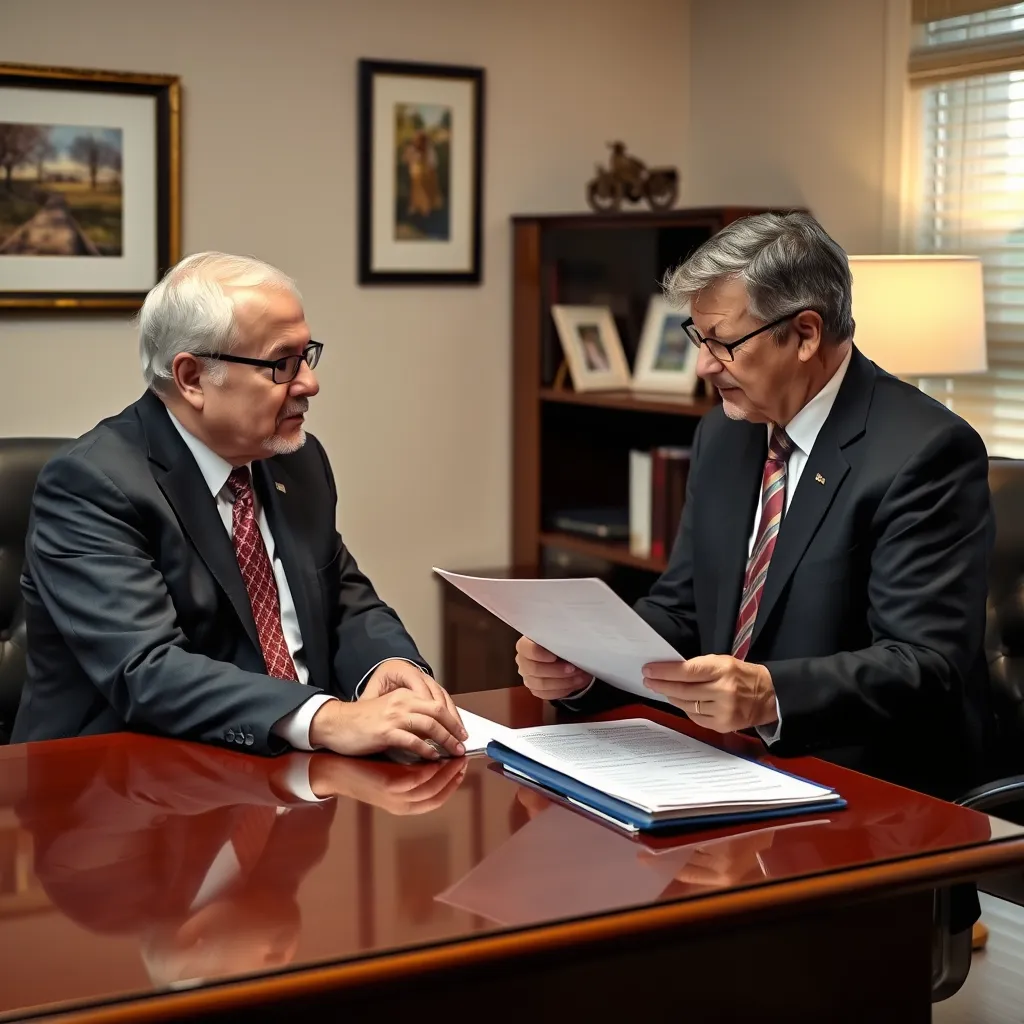
Grandparent Custody Lawyer in Manassas, VA
The emotional and legal complexities surrounding family relationships are often at their peak during times of crisis. When a child’s primary caregivers are unavailable, or when the family structure shifts unexpectedly, grandparents frequently find themselves in a difficult position where their desire to remain involved clashes with complex state laws and parental rights. Navigating this terrain requires specialized knowledge of Virginia law, particularly concerning guardianship and custody disputes.
At Law Offices Of SRIS, P.C., we understand that the role of a grandparent is not merely sentimental; it can be a critical lifeline for a child’s stability and well-being. Our practice focuses on protecting the rights of grandparents who are seeking to maintain a meaningful relationship with their grandchildren, whether through visitation rights, temporary custody arrangements, or formal guardianship proceedings. We provide dedicated legal counsel to help families navigate the specific statutes governing these sensitive matters in Manassas, VA, and across our five-jurisdiction practice area.
If you are facing a situation where your involvement as a grandparent is being questioned, or if you need guidance on how to best advocate for your grandchild’s best interests, do not attempt to navigate this alone. We encourage you to reach out to our Manassas location at (888) 437-7747 to schedule an initial consultation. Our team is prepared to review the specifics of your situation and discuss your legal options.
What Does a Grandparent Custody Lawyer Do in Manassas, VA?
A grandparent custody lawyer provides experienced attorney representation to individuals seeking to establish or maintain a legal relationship with their grandchildren when the parents’ ability to care for the child is disputed, limited, or non-existent. This practice area is highly nuanced because Virginia law prioritizes the “best interests of the child,” which means that any legal action must be framed around the child’s welfare, not simply the grandparent’s desire.
Guardianship vs. Custody: Understanding the Legal Distinction
It is crucial to understand that “custody” and “guardianship” are distinct legal concepts. Custody generally refers to the day-to-day care and physical placement of a child, while guardianship involves the court granting a legal guardian the authority to make major decisions for the child’s health, education, and finances. A grandparent custody lawyer will analyze your specific needs to determine whether a petition for limited visitation rights, a temporary custody order, or a full guardianship filing is the most appropriate legal path forward.
When Are Grandparents Eligible for Custody in Virginia?
Virginia law does not automatically grant custody to grandparents. Eligibility typically arises when the parents are deceased, incapacitated, or otherwise unable to provide adequate care. In many cases, the court will first explore options involving the biological parents. However, if the circumstances meet specific statutory criteria—such as documented parental neglect, substance abuse, or abandonment—a grandparent may have a viable claim. Our attorneys are skilled at gathering the necessary evidence and presenting a compelling case that demonstrates why the grandparent’s involvement is in the child’s best interest.
Navigating Parental Disputes and Guardianship Proceedings
Custody disputes are inherently high-conflict, emotional, and stressful. When a grandparent becomes involved, the dispute often escalates into a battle over parental rights, which can be incredibly draining. Our approach at Law Offices Of SRIS, P.C. is to provide strategic, measured legal advocacy. We do not simply argue for time; we build a comprehensive legal case based on verifiable facts and statutory law.
We work closely with families in Manassas, VA, to prepare for court proceedings, whether those involve mediation, settlement negotiations, or full litigation. This includes helping you understand the required documentation, preparing testimony, and anticipating the arguments from opposing counsel. Our goal is always to achieve a legally binding outcome that provides stability and security for your grandchild.
Need Immediate Guidance on Grandparent Rights?
The law surrounding family relationships changes rapidly, and every case is unique. If you are concerned about the immediate safety or well-being of a child, please call us immediately. Our team is available to discuss your situation confidentially.
How Mr. Sris and the Firm’s Of Counsel Attorneys Handle Grandparent Custody Cases in Manassas
Handling grandparent custody cases requires more than just knowledge of Virginia statutes; it demands a thorough understanding of family dynamics, emotional resilience, and strategic litigation planning. Our process begins with an intensive intake consultation where we listen to your entire story without judgment. We analyze the specific circumstances—the parents’ history, the child’s needs, and the local court environment in Manassas—to build a tailored legal strategy.
Our approach is highly collaborative. We work with you to gather evidence, including medical records, school reports, and testimony from witnesses who can speak to the child’s best interests. When we represent clients in Manassas, our goal is always to achieve a resolution that minimizes conflict while maximizing the legal stability for the child. Whether we are negotiating visitation schedules or filing for formal guardianship, our team ensures every action taken is legally sound and ethically responsible. Furthermore, the experience of the firm’s Of Counsel attorneys allows us to bring diverse perspectives—from criminal law to civil litigation—to bear on your case, ensuring all angles are covered.
We understand that these cases are emotionally taxing. Therefore, we commit to keeping you informed at every stage of the process, providing clear explanations of complex legal jargon and court procedures. Our commitment is to advocate fiercely for your rights as a grandparent while maintaining the focus on the child’s long-term welfare. If you are ready to take the next step toward securing stability for your grandchild, contact our Manassas location today.
About Mr. Sris and the Firm’s Of Counsel Attorneys
Law Offices Of SRIS, P.C. was founded on the principle of providing dedicated, highly ethical legal representation across complex family law matters. Mr. Sris, Owner and Founder, has built a practice rooted in decades of experience advocating for clients across multiple jurisdictions, including Virginia, Maryland, the District of Columbia, New Jersey, and New York. With a background that includes serving as a former prosecutor, Mr. Sris brings a unique perspective to family law—one that understands the gravity of criminal statutes while maintaining a focus on civil resolution and family stability.
Mr. Sris is admitted in Virginia, Maryland, the District of Columbia, New Jersey, and New York, providing our clients with access to a five-jurisdiction practice that serves the unique needs of families across the Mid-Atlantic region. The firm’s Of Counsel attorneys are composed of highly specialized practitioners who augment our core team’s capabilities. They bring extensive experience in various fields—from complex estate planning to high-stakes litigation—allowing us to provide comprehensive counsel that addresses every facet of your legal situation. We believe that strong representation requires a broad network of specialized talent, and we leverage this collective experience to achieve favorable outcomes for our clients.
Ready to Speak with an Experienced Attorney?
Don’t let confusion or fear dictate your family’s future. Schedule a confidential consultation with Mr. Sris and our team today. We are located in Manassas, VA, and ready to help.
Frequently Asked Questions About Grandparent Custody in Manassas
What is the primary legal standard for grandparent custody in Virginia?
The primary standard is always the “best interests of the child.” This means that any court decision, including granting guardianship or visitation, must be legally justifiable based on what will provide the most stability and security for the child’s physical, emotional, and educational well-being, rather than simply satisfying the desires of the involved adults.
Do I need to prove that the parents are abusive?
While proof of abuse or neglect is certainly helpful, it is not always required. A grandparent custody lawyer will assess the situation based on a spectrum of issues, including parental abandonment, inability to provide consistent care, or simply being geographically unavailable, all of which can impact the court’s decision.
Can I get visitation rights without formal guardianship?
Yes, absolutely. Many cases begin with a request for supervised or unsupervised visitation rights. This is often a less active and more manageable legal step than full guardianship, allowing the court to test the viability of the relationship while establishing clear boundaries and rules.
How does the state of Virginia treat out-of-state custody disputes?
Virginia courts recognize that family issues can cross state lines. However, jurisdiction is complex. If the child resides in Manassas, VA, the VA court will generally retain primary jurisdiction. Our attorneys are experienced in navigating interstate compacts and ensuring that the laws of Virginia are applied correctly to your case.
What evidence do I need to gather for my case?
Evidence is key. You should gather everything possible: school records, medical reports, communication logs (texts, emails), and statements from reliable witnesses who can speak factually about the child’s life and care routine.
Can a grandparent custody lawyer help if the parents are divorced?
Yes. Even if the parents are divorced, the court still considers the grandparents’ role. We can help you petition to modify existing custody orders or establish new visitation schedules that account for the grandparents’ ongoing involvement in the child’s life.
Is mediation always better than going to trial?
Mediation is often the preferred first step because it is less adversarial and more cost-effective. However, if the parents are highly volatile or refuse to participate in good faith negotiations, litigation may become necessary. We advise on the trusted path based on your specific goals.
What happens if I win custody but the parents appeal?
Appeals are common and can prolong the process significantly. If an appeal is filed, our firm will be prepared to defend the ruling at the appellate level, ensuring that the court’s initial decision remains in place and that your rights are protected.
Other Family Law Services We Offer
While we practices in grandparent custody matters, our experience across family law allows us to assist with a wide range of related issues. If your situation involves financial disputes or property division, you may also need help with divorce and separation law. Furthermore, if the issue is centered on the child’s future, our experience in guardianship services can provide a comprehensive legal safety net.
We also serve clients across the region who may need assistance with issues like parental rights enforcement or complex custody modifications. Our commitment is to be your single point of contact for all matters concerning family law in the Manassas area and beyond.
Don’t Wait on Your Family’s Future
The clock is always ticking when it comes to family law. Contact Law Offices Of SRIS, P.C. Today for a confidential consultation with an attorney experienced in Manassas, VA, grandparent custody cases.
Disclaimer: The information provided on this website is for informational purposes only and does not constitute legal advice. Every case is unique, and the law is subject to change. You must consult with a qualified attorney regarding your specific situation. Law Offices Of SRIS, P.C. Reserves the right to modify content at any time.
Case results depend on a variety of factors unique to each case.
Attorney advertising. Prior results do not guarantee a similar outcome.