
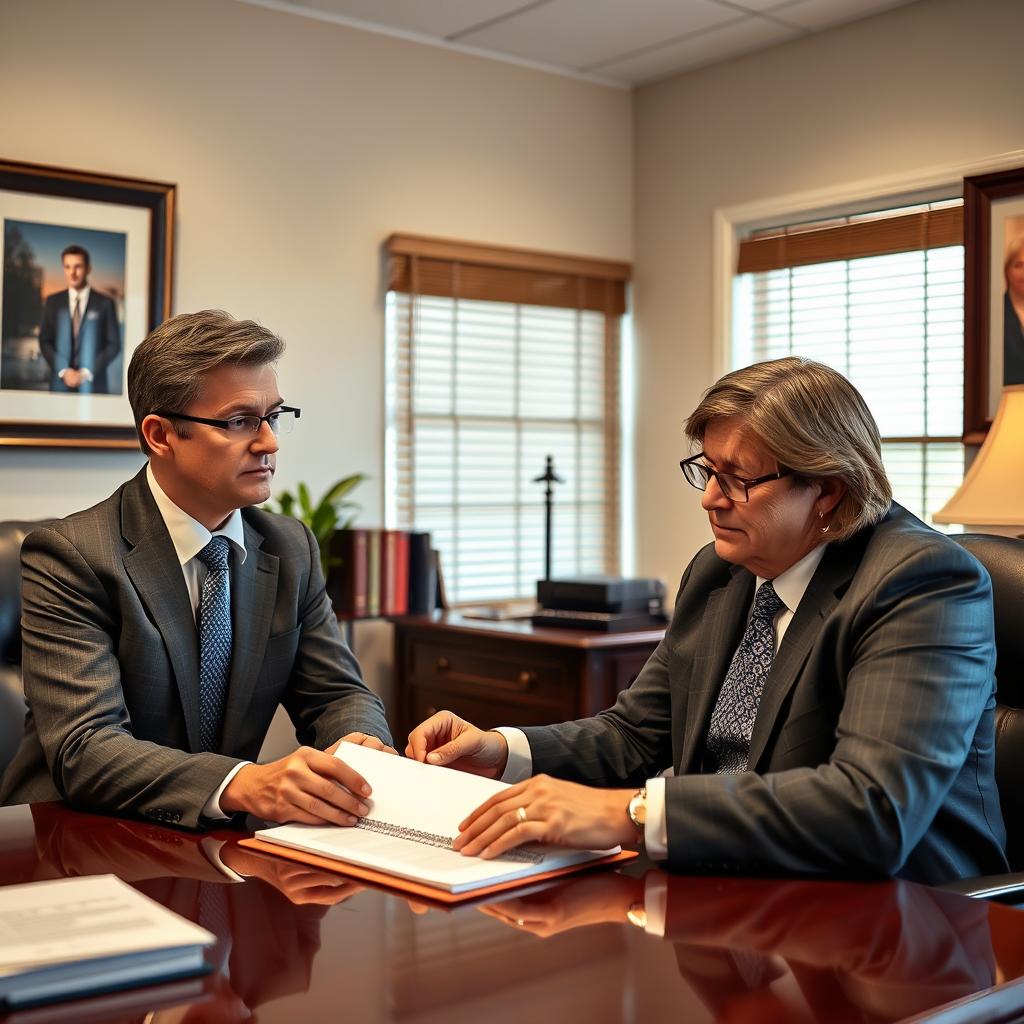
Beach Military Divorce Lawyer James City County
You need a Beach Military Divorce Lawyer James City County who knows Virginia law and military regulations. Law Offices Of SRIS, P.C.—Advocacy Without Borders. Our attorneys handle the unique challenges of military divorce in James City County. We address jurisdiction, pension division, and support issues under both state and federal law. We provide direct legal counsel for service members and their spouses. (Confirmed by SRIS, P.C.)
Statutory Definition of Military Divorce in Virginia
Military divorce in Virginia is governed by state law and the federal Uniformed Services Former Spouses’ Protection Act (USFSPA). Virginia Code § 20-91 et seq. establishes the grounds and procedures for divorce. The USFSPA, 10 U.S.C. § 1408, authorizes state courts to treat military retired pay as property. This allows for division in a divorce decree. Virginia law does not create a separate “military divorce” statute. Instead, it applies standard divorce principles with specific considerations for service members. These considerations include residency rules, pension division, and child support calculations under the Servicemembers Civil Relief Act (SCRA).
Virginia Code § 20-91 — Grounds for Divorce — Determines eligibility. This statute lists the fault and no-fault grounds for ending a marriage in Virginia. For military families, establishing proper jurisdiction under this code is critical. The court must have authority over the service member or the marital residence.
A Beach Military Divorce Lawyer James City County must handle these overlapping legal frameworks. The division of military pensions is a central issue. The USFSPA allows direct payment from the Defense Finance and Accounting Service (DFAS) to a former spouse. This requires a court order meeting specific federal criteria. Virginia courts use the “time rule” to calculate the marital share of a pension. This rule considers the length of marriage overlapping with military service. Child custody and support orders must account for potential deployments and PCS moves. The SCRA provides protections against default judgments for deployed personnel.
How is a military pension divided in a Virginia divorce?
The marital portion of a military pension is divisible property in Virginia. Courts apply the “time rule” formula to determine the share eligible for division. The formula is: (Years of marriage during service ÷ Total years of service) x 50% of disposable retired pay. A former spouse must have been married to the service member for at least 10 years overlapping with service for direct DFAS payment. An attorney must draft a qualified domestic relations order (QDRO) for other retirement accounts. A military divorce lawyer in James City County ensures these calculations are accurate.
What are the residency requirements for a military divorce in Virginia?
A service member can establish Virginia residency through physical presence or domicile intent. Virginia requires one party to be a resident for at least six months before filing. For service members, this can be established by being stationed in Virginia. The filing can occur in the county or city where either party resides. A military spouse can also file in Virginia if they meet the residency standard. Jurisdiction is a primary issue a Beach Military Divorce Lawyer James City County will confirm.
How does deployment affect divorce proceedings?
Deployment can delay court proceedings under the Servicemembers Civil Relief Act. The SCRA allows active-duty service members to request a stay of proceedings. This postpones divorce, custody, and support hearings during deployment and for a period after. Courts cannot enter a default judgment against a deployed service member without compliance. A military spouse divorce lawyer James City County can manage these delays and protect client rights. Planning for potential deployment is a key part of case strategy. Learn more about Virginia family law services.
The Insider Procedural Edge in James City County
The James City County Circuit Court handles all divorce filings for the county. This court is located at 5201 Monticello Ave, Williamsburg, VA 23188. All divorce complaints, including those involving military families, are filed here. The court’s procedures strictly follow the Virginia Rules of the Supreme Court. Judges in this circuit are familiar with the challenges of military divorce cases. They regularly address issues of jurisdiction, pension valuation, and custody arrangements impacted by service.
The filing fee for a divorce complaint in James City County Circuit Court is approximately $89. Additional fees apply for serving documents and filing motions. The court requires specific military affidavits if the service member’s address is unknown. The timeline from filing to final decree varies based on case complexity and grounds. A no-fault divorce based on separation requires a one-year waiting period if no minor children exist. A fault-based divorce or a separation with a property settlement agreement may proceed faster. Military deployment can extend these timelines significantly.
Procedural specifics for James City County are reviewed during a Consultation by appointment at our Williamsburg Location. The court clerk’s Location can provide forms, but legal advice is not given. Local rules may dictate specific formatting for military pension division orders. A service member divorce lawyer James City County knows how to draft these orders correctly. Incorrect paperwork can delay DFAS processing for years. Effective management of the court’s docket is essential for a timely resolution.
Penalties & Defense Strategies in Military Divorce
The most common financial outcome involves equitable distribution of assets and ordered support. While not penalties in a criminal sense, divorce decrees impose binding financial obligations. Failure to comply can result in contempt of court, wage garnishment, and liens. For service members, this can include direct garnishment of military pay by DFAS. The court also decides child custody, which is the most significant non-financial outcome.
| Offense / Issue | Potential Outcome | Notes |
|---|---|---|
| Non-compliance with Support Order | Contempt of Court, Wage Garnishment, License Suspension | DFAS can garnish military pay directly for family support. |
| Improper Pension Division Order | Rejection by DFAS, Delay in Payments, Need for Refiling | Orders must meet federal “10/10 rule” and specific formatting. |
| Violation of Custody Order | Contempt, Modification of Custody, Restriction on PCS Moves | Military family care plans are scrutinized by the court. |
| Failure to Disclose Assets | Unequal Distribution, Reopening of Case, Sanctions | Full financial disclosure is required under Virginia law. |
[Insider Insight] Local prosecutors in juvenile and domestic relations matters focus on enforcing support orders. The James City County Commonwealth’s Attorney takes failure to support cases seriously. For custody issues, the court prioritizes the child’s stability, especially with a parent’s potential deployment. Judges expect clear evidence of a service member’s family care plan. A strong defense strategy involves proactive financial disclosure and realistic parenting proposals. A military spouse divorce lawyer James City County builds a case around documented needs and legal entitlements. Learn more about criminal defense representation.
What is the cost of hiring a military divorce lawyer?
Legal fees depend on case complexity, asset value, and level of conflict. Military divorce cases often involve pension valuation experienced attorneys and multiple hearings. SRIS, P.C. provides a clear fee structure during an initial Consultation by appointment. Costs are influenced by the need for QDRO drafting and negotiation with DFAS. Investing in precise legal work upfront prevents costly enforcement problems later.
Can a divorce affect my military security clearance?
Divorce itself does not automatically affect a security clearance. However, financial problems stemming from divorce, like debt or non-payment of support, can. Adjudicators look for financial responsibility and compliance with court orders. A contentious custody battle may also raise personal conduct concerns. A Beach Military Divorce Lawyer James City County can help structure an agreement that minimizes these risks.
Why Hire SRIS, P.C. for Your James City County Military Divorce
Our lead attorney for military family law is a veteran of complex jurisdictional cases. Bryan Block brings direct experience with the procedural demands of Virginia courts and military regulations. He understands how to protect a service member’s career and a spouse’s financial future. SRIS, P.C. has secured favorable outcomes in family law matters across the state. Our approach is direct and focused on achieving enforceable, clear court orders.
Bryan Block focuses his practice on military family law and complex divorce. He has represented numerous service members and spouses in James City County Circuit Court. His background includes handling cases involving pension division, interstate custody, and SCRA protections. He works to resolve cases efficiently while preparing for litigation if necessary.
Our firm’s differentiator is our dedicated focus on cases with multi-jurisdictional elements. Military divorce often intersects with criminal defense if allegations arise. Our team coordinates across practice areas to provide complete representation. We have a Location in Williamsburg to serve James City County clients directly. We know the local judges, commissioners, and procedural norms. You need an attorney who speaks the language of both the courtroom and the command. We provide that experienced legal team. Learn more about personal injury claims.
Localized FAQs for Military Divorce in James City County
Which court handles military divorce in James City County?
The James City County Circuit Court has jurisdiction over all divorce filings. The address is 5201 Monticello Ave, Williamsburg, VA 23188. Military status does not change the filing venue if residency is established.
How is child support calculated for a service member?
Virginia child support guidelines use gross income, including military basic pay and allowances. BAH and BAS are typically included in the calculation. Deployment pay may also be considered as income for support purposes.
What is the “20/20/20 rule” for military benefits?
This rule refers to former spouse eligibility for military benefits like TRICARE and commissary access. It requires 20 years of marriage, 20 years of service, and 20 years of overlap. Meeting this rule grants indefinite benefit eligibility.
Can I get a divorce if my spouse is deployed overseas?
Yes, but the SCRA may grant the deployed spouse a stay of proceedings. The divorce can proceed if they do not request a stay or if proper notice is given. Legal counsel is critical to handle SCRA requirements.
How long does a military divorce take in Virginia?
A contested military divorce can take over a year due to asset valuation and custody issues. An uncontested case with a separation agreement may be finalized in a few months. Deployment can add significant time to the process.
Proximity, CTA & Disclaimer
Our Williamsburg Location serves clients throughout James City County. We are positioned to provide effective legal counsel for military families in the region. Consultation by appointment. Call 888-437-7747. 24/7.
SRIS, P.C.
Williamsburg, VA Location
Phone: 888-437-7747
Past results do not predict future outcomes.