
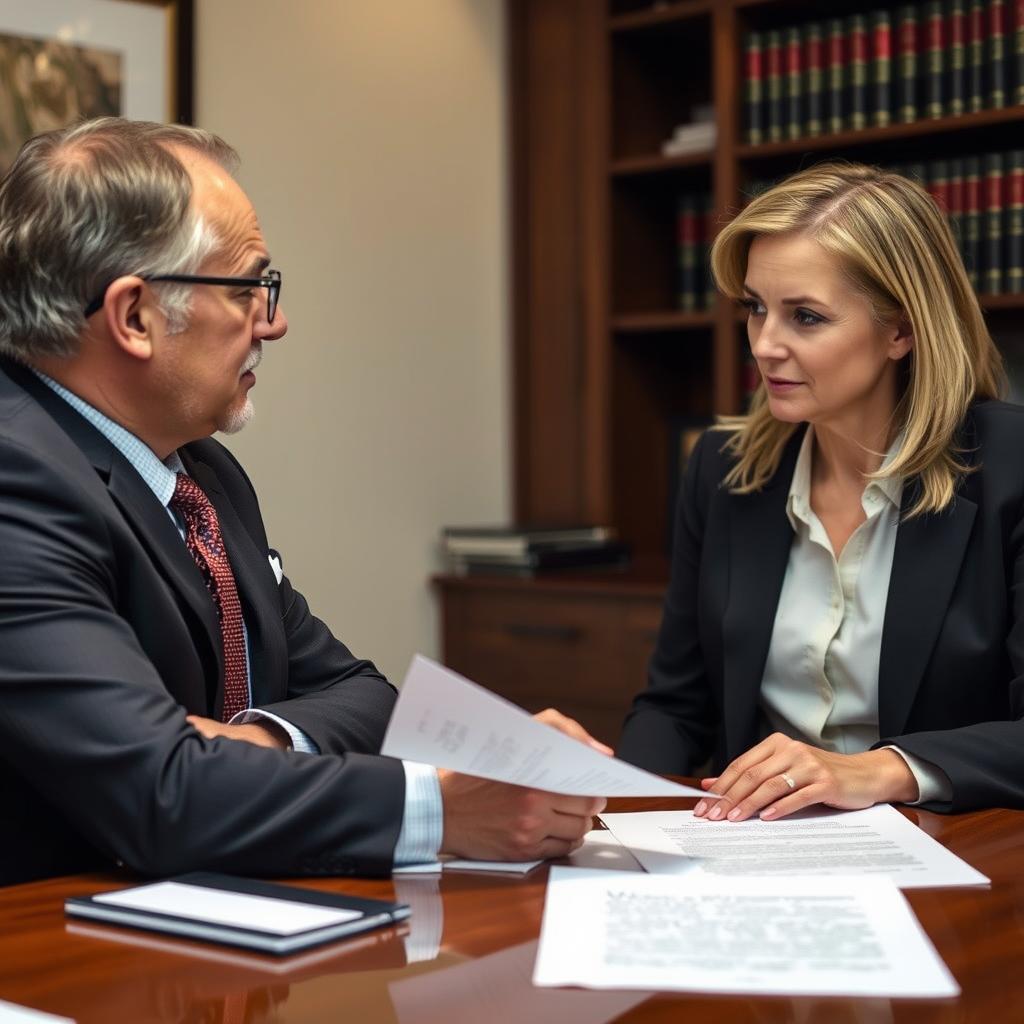
Fault Based Divorce Lawyer Fluvanna County
A fault based divorce lawyer Fluvanna County handles cases where one spouse alleges specific marital misconduct. Virginia law requires proving one of several fault grounds like adultery or cruelty. The Law Offices Of SRIS, P.C. —Advocacy Without Borders. can manage the complex evidence and court procedures in Fluvanna County. Fault divorces can impact alimony and property division. (Confirmed by SRIS, P.C.)
Statutory Definition of Fault Divorce in Virginia
Virginia Code § 20-91(A) defines fault grounds for divorce as Class 1 misdemeanors or felonies with specific legal consequences. The statute lists five specific fault grounds for ending a marriage. Each ground requires clear and convincing evidence presented to the court. A fault based divorce lawyer Fluvanna County must prove these grounds to the judge’s satisfaction. The classification affects the legal process and potential outcomes.
Fault divorces are fundamentally different from no-fault proceedings. You must allege and prove a specific statutory violation by your spouse. The burden of proof rests entirely on the spouse filing for divorce. Virginia courts require more than just allegations; they demand evidence. This evidence must meet a specific legal standard to succeed. Failure to prove the fault ground can result in dismissal of the case.
The fault grounds are narrowly defined by Virginia law. They are not open to broad interpretation by the parties. A judge will strictly apply the statutory definitions. Understanding these definitions is the first critical step. A Fluvanna County fault divorce attorney can explain which ground applies to your situation. They will assess the strength of your available evidence before filing.
What are the specific fault grounds under Virginia law?
Adultery, cruelty, desertion, felony conviction, and willful abandonment are the five grounds. Adultery requires proof of voluntary sexual intercourse outside the marriage. Cruelty involves reasonable apprehension of bodily hurt or danger to life. Desertion is the willful abandonment and desertion of one spouse by the other. Felony conviction requires a sentence of more than one year. Willful abandonment must continue for one year without cause.
How does fault impact the waiting period for divorce?
Fault grounds can eliminate or reduce Virginia’s mandatory separation period. A no-fault divorce typically requires a one-year separation if there are no minor children. Proving a fault ground like adultery or cruelty allows for an immediate filing. There is no mandatory waiting period if the fault ground is proven. This can expedite the finalization of the divorce decree. The timeline depends on court scheduling and case complexity.
What evidence is required to prove a fault ground?
You need clear and convincing evidence of the specific marital misconduct. For adultery, this often requires circumstantial evidence like emails or witness testimony. Cruelty may be shown through police reports, medical records, or photographs. Desertion requires proof of intent to abandon the marital relationship. A felony conviction is proven with certified court documents. Your lawyer will gather and organize this evidence for presentation.
The Insider Procedural Edge in Fluvanna County
Fluvanna County Circuit Court at 247 Main Street, Palmyra, VA 22963 handles all fault divorce cases. The court follows specific local rules and procedures for family law matters. Filing a Complaint for Divorce starts the legal process. You must serve the complaint on your spouse according to Virginia law. The court will set hearings for temporary support and other preliminary matters. A final hearing is scheduled only after all issues are resolved or tried.
Procedural specifics for Fluvanna County are reviewed during a Consultation by appointment at our Location. The local court has its own customs and expectations for filings. Knowing the assigned judges and their tendencies is crucial. Some judges prefer certain formats for evidence presentation. Others may have specific rules for witness testimony. An experienced Fluvanna County divorce lawyer understands these nuances.
The timeline from filing to final decree varies. Uncontested fault divorces can be finalized more quickly if the defendant agrees. Contested fault divorces require discovery, motions, and potentially a trial. Each step adds time and cost to the process. The court’s docket schedule also impacts how fast your case moves. Your attorney can provide a realistic timeline based on current court backlogs.
What are the court costs for filing a fault divorce?
The filing fee for a divorce complaint in Fluvanna Circuit Court is set by statute. Additional fees apply for serving the summons and other documents. There may be costs for filing motions or scheduling hearings. Court reporter fees are required if you need a transcript of proceedings. These costs are separate from your attorney’s legal fees. Your lawyer will provide a detailed estimate of all anticipated court costs.
How are temporary orders handled during the divorce?
The court can issue temporary orders for support, custody, and use of property. You must file a motion and schedule a hearing to request these orders. The judge will consider immediate needs and financial affidavits. Temporary orders remain in effect until the final divorce decree. Violating a temporary order can have serious consequences. Your attorney can file the necessary motions to protect your interests early.
Penalties & Defense Strategies in Fault Divorces
The most common penalty in a fault divorce is a financial award of alimony to the innocent spouse. Virginia courts consider fault when determining spousal support and property division. The judge has significant discretion in how fault impacts the final settlement. Proving fault can result in a more favorable distribution of marital assets. It can also affect the duration and amount of alimony payments. The table below outlines potential outcomes.
| Offense | Penalty | Notes |
|---|---|---|
| Adultery | Bar to receiving spousal support; favorable property division for innocent spouse. | Must be proven by clear and convincing evidence. |
| Cruelty | Grounds for immediate divorce; can impact custody and support. | Includes physical violence or reasonable fear thereof. |
| Desertion | One-year abandonment required; can affect support obligations. | Must be willful and without justification. |
| Felony Conviction | Grounds for divorce after sentencing; may influence asset division. | Sentence must be more than one year. |
[Insider Insight] Fluvanna County prosecutors in related criminal cases and family court judges take allegations of marital fault seriously. They expect well-documented evidence, not just accusations. The local legal community is familiar with common tactics used in these cases. An attorney who knows the local bench can anticipate how a judge will weigh specific evidence. This insight is critical for developing an effective case strategy.
Defending against a fault divorce allegation requires a different approach. You must challenge the sufficiency and credibility of the evidence presented. Your lawyer may argue that the alleged conduct does not meet the legal definition. They might also present evidence justifying the actions or proving consent. In some cases, recrimination or condonation can be asserted as defenses. These are complex legal arguments requiring skilled representation.
Can fault affect child custody decisions in Virginia?
Yes, fault can impact custody if it affects the child’s best interests. A court may consider adultery or cruelty when determining parenting arrangements. The primary focus remains the child’s health, safety, and welfare. Evidence of domestic violence is particularly relevant to custody. The judge will weigh the impact of the fault on the child’s environment. Your attorney can argue how fault should or should not influence custody.
What is the difference between marital and separate property division?
Virginia is an equitable distribution state for marital property. Marital property includes all assets acquired during the marriage. Separate property is owned before marriage or received by gift or inheritance. Fault can influence how the court divides marital property. A judge may award a larger share to the innocent spouse. This is not an automatic penalty but a discretionary decision.
Why Hire SRIS, P.C. for Your Fluvanna County Fault Divorce
Attorney Bryan Block brings direct experience with Virginia’s legal system and family court procedures. His background provides insight into building and presenting a compelling case. He understands the evidence required to meet the clear and convincing standard. SRIS, P.C. has handled numerous family law matters in Fluvanna County. The firm’s approach is strategic and focused on achieving client objectives. We prepare every case as if it will go to trial.
Bryan Block
Virginia family law attorney with a focus on contested divorces.
Extensive experience in evidence gathering and courtroom presentation.
Familiar with Fluvanna County Circuit Court judges and local rules.
Our team knows how to investigate and document fault grounds effectively. We work with private investigators, forensic accountants, and other experienced attorneys when needed. This thorough approach strengthens your position in settlement negotiations or at trial. We aim to secure favorable outcomes on alimony, property division, and custody. Your case will receive direct attention from a seasoned attorney. We do not delegate critical work to inexperienced paralegals.
SRIS, P.C. provides Advocacy Without Borders. across Virginia. We have the resources to handle complex, high-asset fault divorces. Our attorneys are skilled in both negotiation and litigation. We will explain your options and the likely consequences of each choice. You will make informed decisions about your case. We fight to protect your financial future and parental rights.
Localized FAQs for Fault Divorce in Fluvanna County
How long does a fault based divorce take in Fluvanna County?
A contested fault divorce can take several months to over a year. The timeline depends on court schedules and case complexity. An uncontested fault divorce may be finalized more quickly.
Can I get alimony if I prove my spouse committed adultery?
Yes, proving adultery can bar your spouse from receiving alimony. It may also entitle you to a larger share of marital assets. The court has discretion in making these determinations.
What is the cost of hiring a fault divorce lawyer in Fluvanna?
Legal fees vary based on case complexity and whether it goes to trial. Most attorneys charge an hourly rate for fault divorce representation. SRIS, P.C. discusses fee structures during a Consultation by appointment.
Do I have to go to court for a fault based divorce?
Yes, a final hearing before a judge is required for any divorce in Virginia. Even if the divorce is uncontested, you must appear for the final decree. Your attorney will guide you through the court appearance.
Can fault grounds be used if we have already separated?
Yes, you can still file for a fault divorce after separation. The fault ground must have occurred before or during the separation. Proving the fault may allow you to bypass the full waiting period.
Proximity, CTA & Disclaimer
Our legal team serves clients throughout Fluvanna County, Virginia. Procedural specifics for Fluvanna County are reviewed during a Consultation by appointment at our Location. Consultation by appointment. Call 888-437-7747. 24/7.
Law Offices Of SRIS, P.C.—Advocacy Without Borders.
For immediate assistance with your fault based divorce case in Fluvanna County, contact us. We provide direct access to experienced Virginia family law attorneys. Our team includes skilled criminal defense representation for related charges. Learn more about our experienced legal team. We also handle related matters like DUI defense in Virginia.
Past results do not predict future outcomes.