
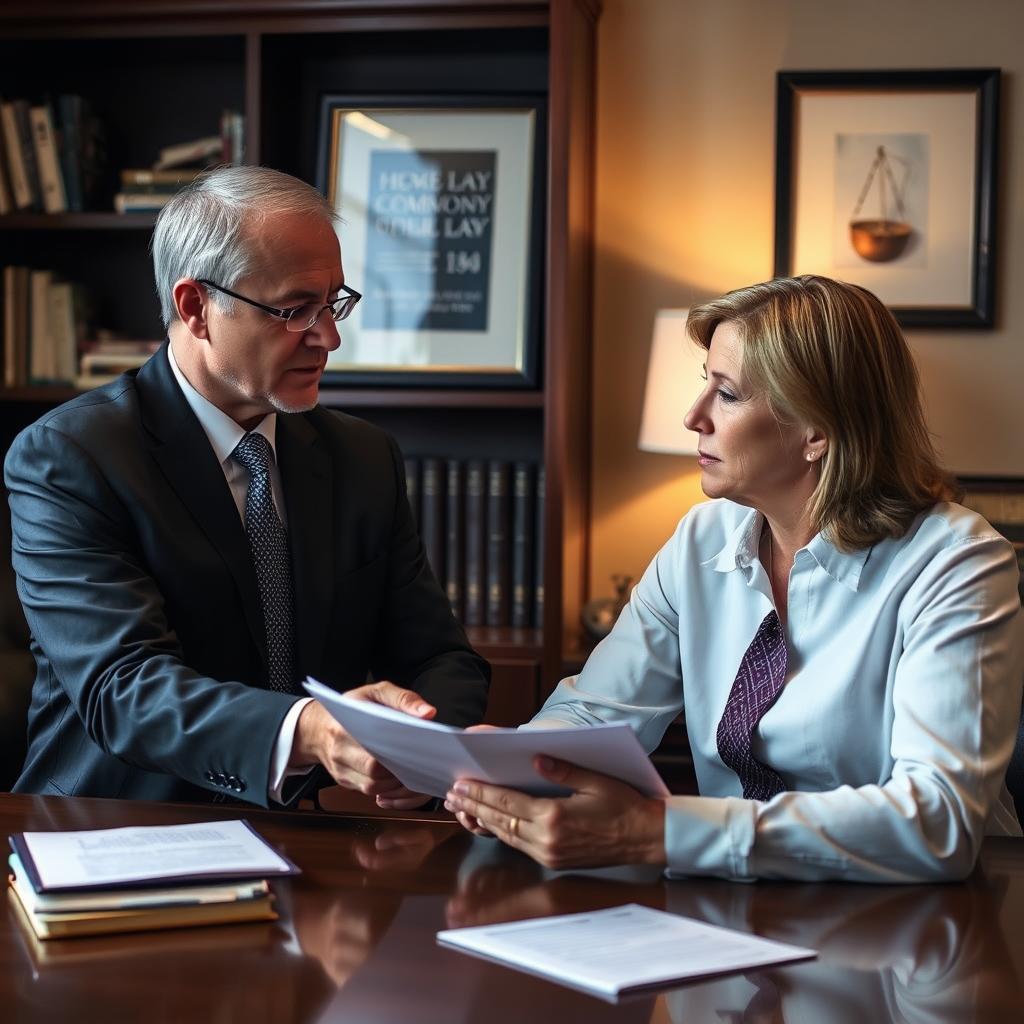
Alimony Lawyer Colonial Heights, VA
Alimony—known as spousal support under Virginia law—can be one of the most consequential financial issues in a Colonial Heights divorce. Under Va. Code § 20-107.1, a court may award support after weighing factors such as the length of the marriage, each spouse’s income and earning capacity, contributions to the family, and the standard of living during the marriage. Whether you are the spouse seeking support or the one who may be required to pay, the decision affects monthly cash flow, asset division, and long‑term financial planning. Law Offices Of SRIS, P.C. has extensive experience with spousal support matters, from negotiation of separation agreements to litigation before the Colonial Heights Circuit Court and enforcement proceedings in the Juvenile and Domestic Relations District Court. The firm’s Richmond location serves Colonial Heights and the surrounding communities. Mr. Sris and the firm’s Of Counsel attorneys bring extensive combined legal experience to spousal support disputes. Results may vary. Call (888) 437-7747 to request a consultation. Law Offices Of SRIS, P.C. – Advocacy Without Borders.
What Alimony Means in Colonial Heights, Virginia
Virginia is an equitable distribution state, which means property is divided fairly but not necessarily equally. Spousal support—called alimony in many states—is a separate financial obligation designed to address any economic disparity between the spouses after the marriage ends. The Colonial Heights Circuit Court, at 550 Boulevard, handles alimony determinations as part of a divorce proceeding under Va. Code § 20-107.1. The statute directs the court to consider thirteen factors, including the duration of the marriage, each party’s age and health, the contributions of each spouse to the family’s well‑being, the standard of living established during the marriage, and the earning capacity of each party.
Virginia courts may award temporary support (pendente lite) while a divorce is pending, rehabilitative support for a period that allows a spouse to gain education or training, or indefinite support in long‑term marriages or when a spouse cannot become self‑supporting because of age or disability. A spouse seeking alimony must demonstrate a need for support and the other spouse’s ability to pay. In Colonial Heights, alimony disputes that arise outside a pending divorce—such as requests for modification or enforcement—can be heard by the Juvenile and Domestic Relations District Court. The Richmond location of Law Offices Of SRIS, P.C. Regularly appears in both the Colonial Heights Circuit Court and the Juvenile and Domestic Relations District Court on behalf of clients handling spousal support matters.
How Mr. Sris and the Firm’s Of Counsel Attorneys Handle Alimony Cases
Every alimony case begins with a careful review of the financial circumstances of both parties. Mr. Sris and the firm’s Of Counsel attorneys examine income documentation, tax returns, expense statements, and the length of the marriage to build a clear picture of what a fair support arrangement looks like. We explore whether a negotiated separation agreement can resolve the issue without a contested hearing—often a faster and less costly path—while also preparing thoroughly for litigation when the parties cannot agree.
When negotiation is not possible, we present the factors under Va. Code § 20-107.1 to the court with documentary evidence and, where helpful, expert testimony regarding each spouse’s earning capacity. The firm’s Of Counsel attorneys also represent clients in enforcement and contempt proceedings when an ex‑spouse fails to pay court‑ordered support, and in modification actions when a substantial change in circumstances—such as job loss, remarriage, or a serious health event—warrants an adjustment. Throughout the process, we keep clients informed and work to reach a resolution that protects their long‑term financial stability. Results may vary.
About Mr. Sris and the Firm’s Of Counsel Attorneys
Mr. Sris, Owner and Founder of Law Offices Of SRIS, P.C., is a former prosecutor who has practiced law since 1997. He is admitted in Virginia, Maryland, the District of Columbia, New Jersey, and New York. Mr. Sris testified before the Virginia House Courts of Justice Committee in support of 2019 HB 635 (chief patron Del. David Bulova). He concentrates a substantial portion of his practice on family law, including spousal support disputes.
The firm’s Of Counsel attorneys bring extensive combined legal experience to alimony matters. Working collectively with Mr. Sris, they bring significant depth to spousal support negotiations, litigation, and enforcement. All Of Counsel attorneys are independent, non‑employee lawyers who contract directly with Law Offices Of SRIS, P.C. Every client representation is grounded in the facts of the individual case and the applicable Virginia statutory framework. Results may vary.
Frequently Asked Questions
How is alimony determined in Virginia?
Virginia courts determine alimony by evaluating thirteen statutory factors under Va. Code § 20-107.1, including the length of the marriage, each spouse’s income and earning capacity, contributions to the family, and the standard of living during the marriage. The judge weighs these factors to decide whether support is appropriate, in what amount, and for how long. Spousal support may be temporary (while the divorce is pending), rehabilitative (for a period to allow education or training), or indefinite in certain long‑term marriages. The court also considers the payor spouse’s ability to pay. Alimony is fact‑sensitive; having an experienced attorney present the relevant factors can make a meaningful difference. For guidance on your specific situation, reach Law Offices Of SRIS, P.C. at (888) 437-7747.
Can alimony be modified after a divorce in Colonial Heights?
Yes, a Virginia court may modify an alimony award if the party seeking the change can show a material change in circumstances since the last order. Examples include a substantial involuntary change in income, remarriage or cohabitation of the receiving spouse, or a health event affecting earning capacity. The request is filed with the court that entered the original order—typically the Colonial Heights Circuit Court—and the moving party must present evidence justifying the change. Unilateral cessation of payments without a court order can lead to contempt. To discuss whether your situation qualifies for a modification, contact Law Offices Of SRIS, P.C. at (888) 437-7747.
What happens if my ex‑spouse refuses to pay alimony?
When a former spouse does not pay court‑ordered alimony, you can ask the court to enforce the order through a contempt proceeding. Virginia courts have the power to compel payment by garnishing wages, levying bank accounts, or suspending a professional license. The court may also award attorney fees to the spouse forced to bring the enforcement action. Prompt action is important because arrears accumulate and may become harder to collect over time. For a consultation regarding alimony enforcement in Colonial Heights, reach Mr. Sris and the firm’s Of Counsel attorneys at (888) 437-7747.
How long does alimony last in Virginia?
The duration of alimony depends on the type of award: temporary support lasts only while the divorce is pending; rehabilitative support lasts for a fixed period set by the court; and indefinite support may continue until the death or remarriage of the recipient, or until a future court order modifies it. Indefinite support is typically reserved for long‑term marriages where a spouse cannot become self‑supporting due to age, disability, or other circumstances. The court specifies the duration in its order, and either party may seek modification if circumstances change substantially. For guidance tailored to your case, contact Law Offices Of SRIS, P.C. at (888) 437-7747.
Does marital fault affect alimony in Virginia?
Yes, marital fault can influence an alimony award. Under Va. Code § 20-107.1, the court may consider the circumstances and factors that contributed to the dissolution of the marriage, including adultery or other fault grounds. While Virginia is a no‑fault divorce state if the separation requirements are met, fault may still affect whether alimony is awarded and in what amount. A spouse guilty of adultery, for example, may be barred from receiving support. The court’s discretion is broad, so the specific facts of the marriage are critical. To discuss how fault may apply in your case, call (888) 437-7747.
Do I need a lawyer for an alimony case in Colonial Heights?
You are not legally required to have a lawyer, but an experienced spousal support attorney can help you present the statutory factors persuasively, negotiate a fair separation agreement, or advocate for your interests in court. Alimony decisions have long‑term financial consequences. An attorney can identify relevant evidence, cross‑examine the other spouse’s financial claims, and ensure the court considers all applicable factors under Virginia law. Mistakes in a separation agreement or at a hearing can be difficult to undo. For a consultation regarding an alimony matter, reach Law Offices Of SRIS, P.C. at (888) 437-7747.
Family law lawyer in Fairfax County | Family law lawyer in Prince William County | Family law lawyer in Manassas
Virginia legal authority used on this page:
Virginia Code Title 20 (Domestic Relations) | Virginia Judicial System
Attorney advertising. Prior results do not guarantee a similar outcome. Results may vary.
Case results depend on a variety of factors unique to each case.