
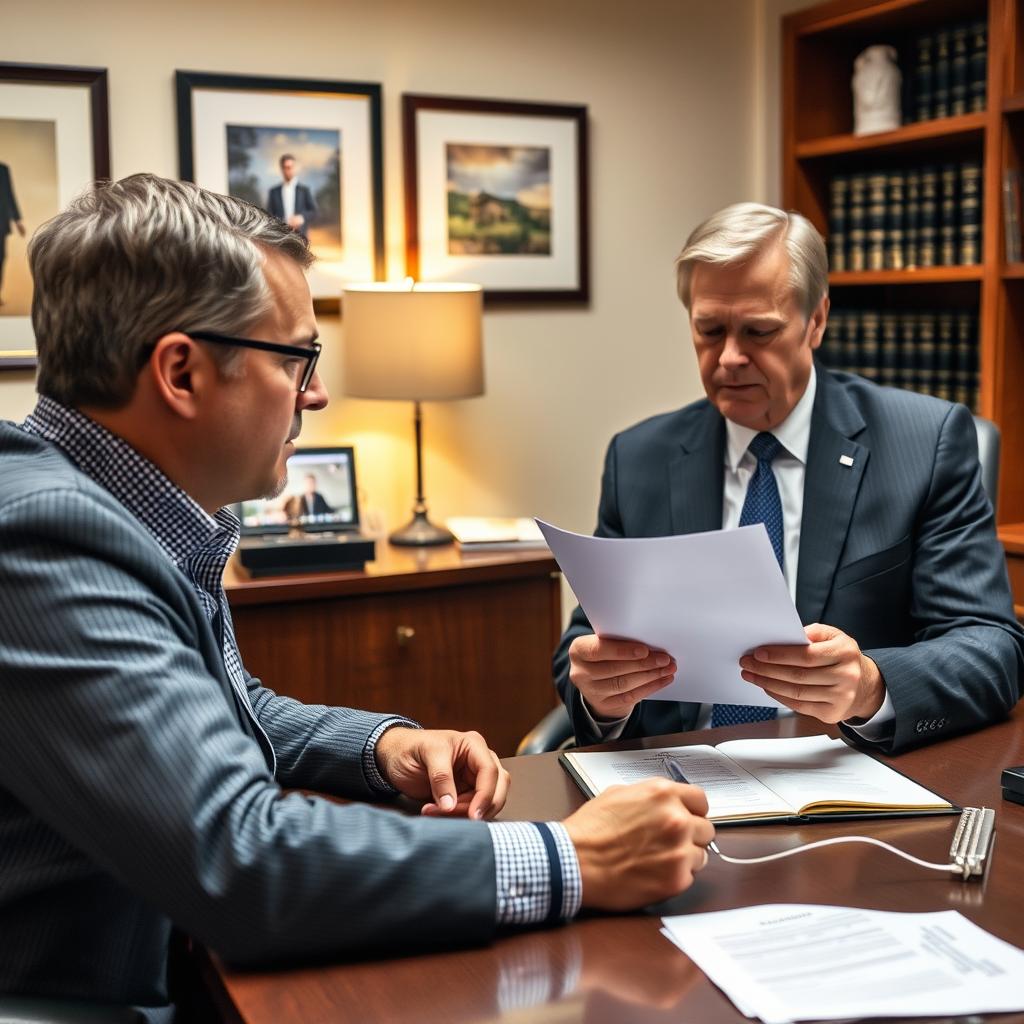
Alimony Lawyer Dinwiddie County, VA
Alimony, or spousal support, is a financial obligation one spouse may owe the other after a separation or divorce. In Dinwiddie County, Virginia, alimony matters are decided under state law, but the local courts—the Dinwiddie County Circuit Court for divorces and the Dinwiddie County Juvenile and Domestic Relations District Court for standalone support—apply the same statutory framework. Whether you are seeking support or facing a support claim, having an attorney who understands how these courts handle financial issues can help you present your circumstances effectively. Mr. Sris and the firm’s Of Counsel attorneys represent clients in alimony proceedings throughout Dinwiddie County, including the communities of Dinwiddie and McKenney. To request a consultation, call (888) 437-7747. Law Offices Of SRIS, P.C. – Advocacy Without Borders.
What Alimony Means in Dinwiddie County
Virginia law governs alimony statewide, but the practical experience of appearing before local judges and understanding the expectations of the Eleventh Judicial District can make a difference. Dinwiddie County courts operate out of the Dinwiddie Courthouse in Dinwiddie, VA 23841. The Circuit Court has exclusive jurisdiction over divorce actions, and alimony is typically addressed within that larger proceeding when a marriage is ending. However, temporary support may be sought while a case is pending—often through pendente lite motions—and the Juvenile and Domestic Relations District Court can hear certain support matters outside of a divorce.
Virginia is an equitable distribution state, meaning marital property is divided fairly but not necessarily equally. Alimony is a separate determination governed by Va. Code § 20-107.1. The court weighs 13 statutory factors, including each party’s earning capacity, the duration of the marriage, the standard of living established during the marriage, and the contributions each spouse made to the family’s well‑being. Because the analysis is highly fact‑specific, outcomes can vary significantly from one case to another. Mr. Sris and the firm’s Of Counsel attorneys are familiar with how Dinwiddie County courts evaluate these factors and can help clients present a clear picture of their financial situation.
How Mr. Sris and the Firm’s Of Counsel Attorneys Handle Alimony Cases
Every alimony matter begins with a thorough review of the financial circumstances—income, assets, debts, and reasonable needs—to determine what support may be warranted under Virginia law. Mr. Sris and the firm’s Of Counsel attorneys work with clients to gather documentation, including tax returns, pay stubs, bank statements, and information about retirement accounts. In contested cases, they may engage forensic accountants or business valuators to ensure a complete financial picture is before the court.
When both parties can agree, alimony may be resolved through a separation agreement or a negotiated settlement, avoiding a contested hearing. When litigation is necessary, the firm prepares for trial by developing a strategy grounded in the statutory factors. The Dinwiddie County Circuit Court hears testimony and argument before issuing a support order. Throughout the process, the goal is to obtain a fair outcome that reflects the client’s needs and the paying spouse’s ability to provide support. Because alimony orders can sometimes be modified if circumstances change, the firm also assists with post‑judgment modifications and enforcement.
About Mr. Sris and the Firm’s Of Counsel Attorneys
Mr. Sris, Owner and Founder of Law Offices Of SRIS, P.C., has practiced law since 1997. His background includes service as a former prosecutor, which gives him insight into courtroom dynamics and cross‑examination techniques that can be valuable in contested family law matters. Mr. Sris testified before the Virginia House Courts of Justice Committee in support of 2019 HB 635 (chief patron Del. David Bulova), a bill that addressed certain procedural aspects of equitable distribution. His practice concentrates in divorce, custody, support, and other family law issues, and he appears in Circuit Courts and Juvenile and Domestic Relations District Courts across Virginia.
The firm’s Of Counsel attorneys bring additional depth to family law representation. These experienced practitioners handle matters ranging from straightforward support calculations to complex high‑net‑worth divorces involving business interests and retirement assets. Together, Mr. Sris and the firm’s Of Counsel attorneys serve clients from the firm’s Richmond Location, which appears in Dinwiddie County courts. To request a consultation, call (888) 437-7747.
Frequently Asked Questions
How is alimony decided in a Virginia divorce?
Alimony in Virginia is decided based on a list of 13 statutory factors set out in Va. Code § 20‑107.1, and no single factor is dispositive. The court looks at the duration of the marriage, each spouse’s earning capacity and financial resources, the standard of living during the marriage, the contributions each spouse made to the family, and the age and health of the parties. Because the analysis is qualitative and fact‑driven, it is important to present a clear and well‑documented financial picture. For guidance on your specific situation, reach Law Offices Of SRIS, P.C. at (888) 437-7747.
Can alimony be modified after a divorce in Dinwiddie County?
Yes, spousal support may be modified if there has been a material change in circumstances that was not anticipated at the time of the original order. Common changes include a significant increase or decrease in either party’s income, involuntary job loss, or serious health issues. The party seeking modification must file a motion with the Dinwiddie County Circuit Court or Juvenile and Domestic Relations District Court and present evidence of the changed circumstances. To discuss the details of your matter, contact Law Offices Of SRIS, P.C. at (888) 437-7747.
What is the difference between temporary and permanent alimony in Virginia?
Temporary alimony is support paid while a divorce case is pending, designed to maintain the status quo until a final order is entered; permanent or indefinite alimony is set in the final decree and continues without a specific end date unless modified. Indefinite alimony is more common in long‑term marriages or where one spouse cannot become self‑supporting due to age, disability, or extensive absence from the workforce. The Dinwiddie County Circuit Court determines which type is appropriate based on the facts. For a consultation, reach Mr. Sris and the firm’s Of Counsel attorneys at (888) 437-7747.
Do I need a lawyer for an alimony case in Dinwiddie County?
You are not legally required to have a lawyer, but the financial and procedural complexity of alimony cases makes legal representation advisable. An attorney can help you calculate support correctly, present evidence to the court, and negotiate a settlement that protects your long‑term interests. Because the Dinwiddie County courts expect parties to follow civil procedure rules and meet evidentiary standards, self‑representation can be challenging. To discuss your situation, contact Law Offices Of SRIS, P.C. at (888) 437-7747.
What courts handle alimony in Dinwiddie County?
Alimony in a divorce is handled by the Dinwiddie County Circuit Court; standalone support matters may be heard in the Dinwiddie County Juvenile and Domestic Relations District Court. The Circuit Court has exclusive jurisdiction over divorce actions, including spousal support that is part of a divorce decree. Child and spousal support separate from a divorce may be brought in the J&DR Court, which also handles custody and protective orders. Both courts are located at the Dinwiddie Courthouse in Dinwiddie, VA 23841. For assistance, reach Law Offices Of SRIS, P.C. at (888) 437-7747.
How does the court determine how much alimony to award?
The court weighs the 13 factors in Va. Code § 20‑107.1, including the length of the marriage, each spouse’s income and earning potential, and the standard of living during the marriage. There is no mathematical formula; the judge has discretion to set an amount and duration that is fair under the circumstances. The court may also consider marital misconduct if it affected the family’s finances. Working with an attorney can help you present the factors that support your position. For a consultation, call (888) 437-7747.
Related Family Law Services:
Fairfax County family law |
Prince William County family law |
Manassas family law |
Fairfax City family law |
Falls Church family law
Virginia Legal Resources:
Virginia Code § 20‑107.1 – Spousal Support |
Virginia’s Judicial System
Attorney advertising. Prior results do not guarantee a similar outcome.
Case results depend on a variety of factors unique to each case.