
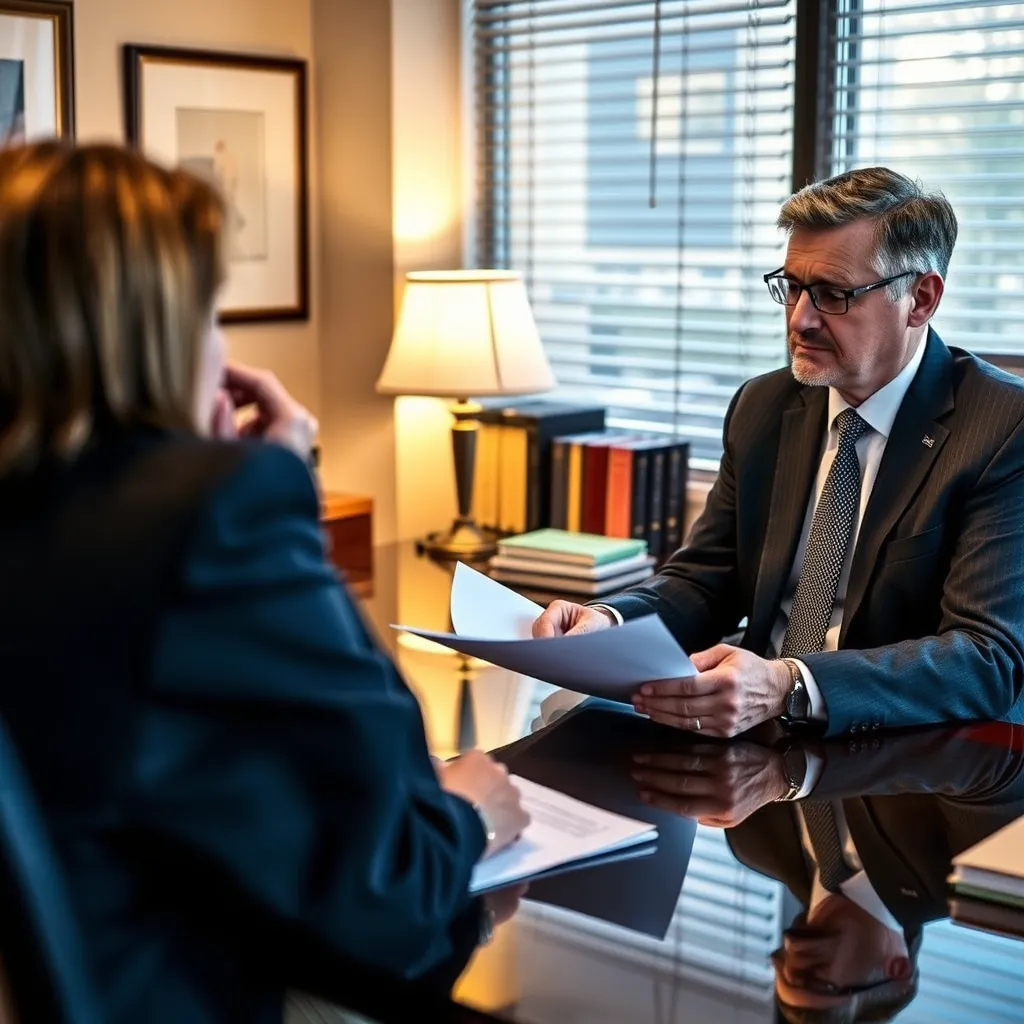
Armed Forces Divorce Lawyer Falls Church, VA
Divorce is inherently complex, but when military service intersects with marital dissolution, the legal landscape becomes uniquely challenging. The unique lifestyle of active duty service members—characterized by Permanent Change of Station (PCS) moves, deployments, and the jurisdiction of the Uniform Code of Military Justice (UCMJ)—requires specialized legal counsel. If you are seeking an Armed Forces Divorce Lawyer in Falls Church, VA, you need more than general family law experience; you need a partner who understands the military context.
At Law Offices Of SRIS, P.C., we provide dedicated legal advocacy for service members and their families navigating divorce proceedings across Virginia and surrounding jurisdictions. We understand that your situation may involve complex issues like service-connected disabilities, custody disputes during deployments, or property division spanning multiple state lines. Our commitment is to provide clear, strategic guidance so you can focus on what matters most: your family’s future.
Whether you are located in Falls Church, or if your situation requires representation from our other Arlington Divorce Lawyer or Alexandria Divorce Lawyer locations, our team is equipped to handle the intricacies of military family law. We are here to help you understand your rights and options under applicable state and federal law.
Navigating Military Divorce Law in Virginia
Divorce involving service members is not governed by standard civilian divorce statutes alone. The military framework introduces variables that can significantly impact asset division, custody determinations, and even the timeline of proceedings. Our practice focuses on mitigating these unique risks for our clients.
Jurisdictional Complexities in Military Divorce
One of the most common hurdles in military divorce is determining which jurisdiction has the authority to hear the case. Does the state law of Virginia apply, or does the UCMJ govern certain aspects? The answer often depends on where the service member was stationed, the nature of the alleged misconduct, and the residency of the parties involved. We meticulously analyze these jurisdictional questions to ensure your case is heard in the most advantageous forum.
Addressing Service-Connected Issues
If one or both parties have service-connected disabilities, the legal considerations expand significantly. This may affect spousal support calculations, custody arrangements, and the division of assets acquired during periods of active duty. We work closely with medical and VA records to build a comprehensive picture of your financial and physical needs, ensuring that any resulting settlement is equitable and sustainable for the long term.
Custody and Visitation During PCS Moves
The uncertainty of Permanent Change of Station (PCS) moves can create immense stress regarding child custody. Our approach involves developing detailed parenting plans that account for geographical instability. We advocate for stable visitation schedules and co-parenting agreements that remain enforceable regardless of where the military family relocates.
How Mr. Sris and the Firm’s Of Counsel Attorneys Handle Armed Forces Divorce Cases in Falls Church
The process of dissolving a marriage while navigating military service requires a highly coordinated, multi-faceted legal strategy. When you contact Law Offices Of SRIS, P.C., our initial consultation is dedicated to gathering all necessary facts—from deployment schedules and service records to financial documentation—to build a complete picture of your situation. We do not offer one-size-fits-all solutions; instead, we tailor our approach to the specific challenges presented by military law.
Our process begins with a thorough review of the applicable laws, whether they are Virginia state statutes or federal regulations impacting service members. We then work with you to establish clear goals regarding asset division and custody. The firm’s Of Counsel attorneys bring diverse experience from various fields, allowing us to address everything from complex financial disclosures to issues related to military benefits. By coordinating our efforts, we ensure that every aspect of your divorce—from the initial filing to the final settlement agreement—is handled with precision and thorough knowledge of the armed forces community.
We understand that the emotional toll of a divorce is compounded by the stress of military life. Therefore, our advocacy remains empathetic while remaining fiercely strategic. Our goal is always to achieve the most favorable outcome for you and your children, minimizing conflict and maximizing stability for your future location, whether that is within Falls Church or elsewhere.
About Mr. Sris and the Firm’s Of Counsel Attorneys
Mr. Sris, Owner and Founder of Law Offices Of SRIS, P.C., brings decades of experience in complex family law matters. As a former prosecutor, he possesses a thorough understanding of legal procedure and advocacy that is invaluable when navigating contentious divorce proceedings. Mr. Sris is admitted to practice law in Virginia, Maryland, the District of Columbia, New Jersey, and New York, providing our clients with access to a five-jurisdiction practice network.
The firm’s commitment to excellence extends through our network of Of Counsel attorneys. These highly specialized legal professionals allow us to provide comprehensive support across various areas of law, ensuring that no detail is overlooked. While the firm’s Of Counsel attorneys are independent practitioners, their collective experience allows us to offer extensive depth of knowledge to every client who walks through our Falls Church location. We maintain this broad network so that you receive experienced attorney counsel regardless of the specific legal hurdle you face.
Our entire team operates under a commitment to ethical, active representation. We believe that clear communication and proactive strategy are the cornerstones of achieving a fair resolution. When you partner with Law Offices Of SRIS, P.C., you gain access to this combined depth of experience—from Mr. Sris’s direct advocacy background to the specialized knowledge of the firm’s Of Counsel attorneys.
Take the Next Step Towards Clarity
The process of divorce is difficult enough without the added layer of military service complexities. Do not attempt to navigate these challenging waters alone. The experience of Law Offices Of SRIS, P.C., combined with our thorough understanding of military family law in Falls Church and across Virginia, provides you with the strategic support necessary to achieve a fair and stable outcome.
We encourage you to reach out to us today. By calling (888) 437-7747 or visiting our Falls Church location, you can schedule a confidential consultation. We are ready to discuss your particular situation and outline a clear path forward.
Case results depend on a variety of factors unique to each case.
Attorney advertising. Prior results do not guarantee a similar outcome.