
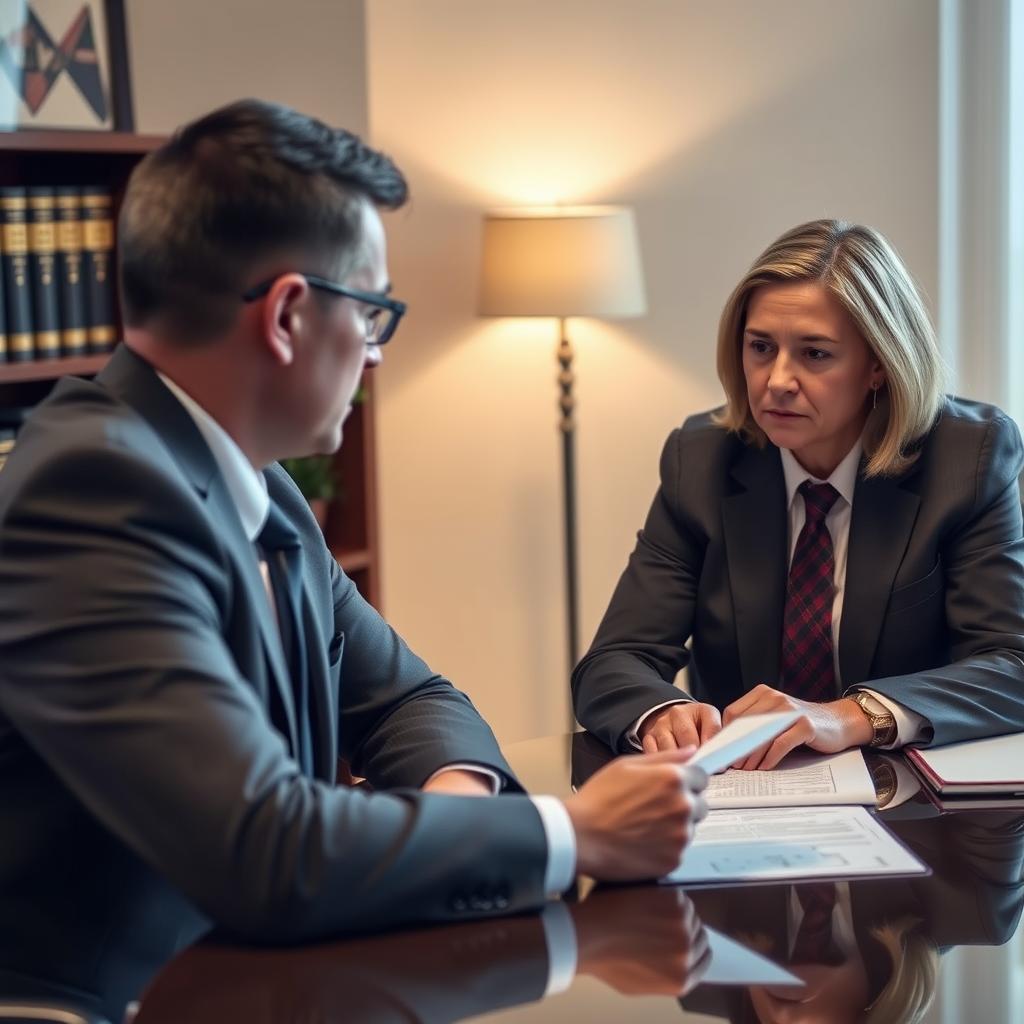
Armed Forces Divorce Lawyer Louisa County
An Armed Forces Divorce Lawyer Louisa County handles the unique legal dissolution for military members stationed in or connected to Louisa County, Virginia. The Law Offices Of SRIS, P.C. —Advocacy Without Borders. provides focused representation for service members facing divorce under Virginia law and the Servicemembers Civil Relief Act. (Confirmed by SRIS, P.C.)
Statutory Definition of Military Divorce in Virginia
Military divorce in Virginia is governed by state divorce statutes and the federal Servicemembers Civil Relief Act (SCRA). Virginia Code § 20-91 outlines the grounds for divorce, which apply equally to civilians and service members. The key distinction for a military member divorce lawyer Louisa County is handling the SCRA’s protections, which can delay proceedings if a service member is on active duty. Virginia courts in Louisa County have jurisdiction if the service member or spouse meets the state’s residency requirements. The SCRA provides safeguards against default judgments during deployment. Understanding both state and federal law is critical for a service member dissolution lawyer Louisa County.
Virginia Code § 20-91 — No-Fault and Fault-Based — Determines grounds for marital dissolution. This statute establishes the legal reasons for ending a marriage in Virginia. For a no-fault divorce, parties must live separate and apart for one year if there are minor children. The separation period is six months without minor children and with a signed separation agreement. Fault grounds include adultery, cruelty, desertion, and felony conviction. A military divorce attorney must prove the service member or spouse meets Virginia’s residency rules. The court must have proper jurisdiction over the case. Division of military pensions is addressed under the Uniformed Services Former Spouses’ Protection Act.
How does military status affect divorce grounds in Virginia?
Military status does not change the legal grounds for divorce under Virginia law. A service member or spouse must still prove one of the grounds in Va. Code § 20-91. The primary impact is on procedural timelines and the ability to respond to court actions. Deployments or unavailability due to military orders can complicate filing and court appearances. An Armed Forces Divorce Lawyer Louisa County uses the SCRA to protect a deployed client’s rights. This ensures a fair process despite the demands of military service.
What is the Servicemembers Civil Relief Act (SCRA) in divorce?
The SCRA is a federal law that provides legal protections to active-duty military members. It allows for a stay, or postponement, of civil court proceedings, including divorce. This stay can be requested if military duty materially affects the member’s ability to appear in court. The initial stay can be for at least 90 days. A judge may grant additional stays based on the circumstances. A military member divorce lawyer Louisa County files the necessary motions to invoke these protections. This prevents a default judgment from being entered unfairly against the service member.
How is jurisdiction determined for a military divorce in Louisa County?
Jurisdiction for a military divorce is based on Virginia’s residency requirements and domicile. Either the service member or the spouse must be a bona fide resident of Virginia for at least six months before filing. For a Louisa County court to have venue, one party must reside in the county. Domicile, or intent to remain, is a key factor for service members who move frequently. A service member dissolution lawyer Louisa County gathers evidence like voter registration or driver’s licenses. This establishes the court’s legal authority to hear the case and issue orders. Learn more about Virginia family law services.
The Insider Procedural Edge in Louisa County Circuit Court
The Louisa County Circuit Court handles all divorce filings for the locality. This court manages the specific procedural steps for military divorce cases. Local rules and judge preferences can impact case strategy and timeline. An attorney familiar with this court knows how to handle its requirements efficiently. This includes proper filing procedures and scheduling hearings. Understanding the local legal environment is a significant advantage for any service member.
What is the court address and contact for divorce filings?
The Louisa County Circuit Court is located at 1 Woolfolk Ave, Louisa, VA 23093. The court’s phone number is (540) 967-5312. All initial complaints for divorce must be filed with the Clerk of this court. The filing fee for a divorce complaint in Virginia is typically $89, but costs can vary. Additional fees apply for serving papers or filing other motions. A military divorce attorney ensures all documents are filed correctly to avoid delays.
What are the key procedural steps and timeline?
The divorce process begins with filing a Complaint for Divorce with the Circuit Court clerk. The other party must be served with the complaint and a summons. If the service member is deployed, special service rules under the SCRA may apply. The case may proceed through discovery, settlement negotiations, or trial. A no-fault divorce based on separation takes at least six months to one year from the separation date. An uncontested case can be finalized more quickly once the separation period is met. A contested case involving a military pension can take significantly longer.
How do local court rules impact military divorce cases?
Local rules dictate the formatting of legal documents and motion practices. The Louisa County Circuit Court may have specific requirements for presenting evidence of residency. Judges in this court have discretion on how to handle requests for stays under the SCRA. Familiarity with these nuances helps a service member dissolution lawyer Louisa County advocate effectively. Procedural missteps can cause unnecessary postponements. Proper adherence to local rules keeps the case moving forward. Learn more about criminal defense representation.
Penalties, Division of Assets, and Defense Strategies
The most significant consequences in a military divorce involve the division of military pensions and benefits. Virginia is an equitable distribution state, meaning marital property is divided fairly, not necessarily equally. A military pension earned during the marriage is considered marital property subject to division. The non-service member spouse may be entitled to a portion of the disposable retired pay. Child support and spousal support calculations also consider military pay and allowances. An Armed Forces Divorce Lawyer Louisa County fights for a fair division that accounts for the service member’s career sacrifices.
| Issue | Potential Outcome | Notes |
|---|---|---|
| Division of Military Pension | Up to 50% of marital share | Governed by USFSPA; court issues a Qualified Domestic Relations Order (QDRO). |
| Child Support | Based on VA guidelines & military pay | Includes Basic Allowance for Housing (BAH) and other allowances as income. |
| Spousal Support | Determined by need & ability to pay | Length of marriage and military career are key factors considered by the court. |
| Retirement Benefits (TSP/SGLI) | Subject to division as marital property | Survivor Benefit Plan (SBP) elections may be addressed in the divorce decree. |
| Default Judgment Risk | Case decided without service member’s input | Invoking SCRA protections is a primary defense against this. |
[Insider Insight] Louisa County judges are familiar with military families due to the county’s proximity to major bases. They generally expect strict compliance with SCRA procedures when a service member is deployed. Prosecutors in related contempt or support cases recognize the variable income of deployed personnel. Presenting clear evidence of military orders and pay documents is crucial. An experienced military member divorce lawyer Louisa County prepares this evidence carefully.
How is a military pension divided in a Virginia divorce?
The marital portion of a military pension is divisible by the Louisa County Circuit Court. The court uses a “coverture fraction” – time served during the marriage divided by total service time. This fraction is applied to the final retirement pay to determine the marital share. The non-member spouse can receive up to 50% of that marital share. The court must issue a Qualified Domestic Relations Order (QDRO) to direct the Defense Finance and Accounting Service (DFAS). A service member dissolution lawyer Louisa County ensures the QDRO is drafted correctly to enforce the division.
What are the defenses against a default divorce judgment?
The primary defense is filing a motion for a stay under the Servicemembers Civil Relief Act. The service member must provide a copy of their military orders showing active duty. The motion explains how duty prevents a meaningful response to the divorce complaint. The court is required to grant at least a 90-day stay. A military divorce attorney can also file an Answer to the complaint to prevent a default. These actions preserve the service member’s right to participate in the proceedings. Learn more about personal injury claims.
How does deployment affect child custody and visitation?
Deployment creates unique challenges for crafting a practical custody and visitation schedule. The court focuses on the best interests of the child, considering the parent’s availability. A detailed parenting plan can include provisions for virtual visitation during deployment. The plan may outline a schedule for the service member’s leave periods. Custody may be temporarily adjusted to the other parent or a family member during deployment. A military member divorce lawyer Louisa County drafts flexible agreements that account for the realities of service.
Why Hire SRIS, P.C. for Your Military Divorce in Louisa County
SRIS, P.C. provides focused legal representation for service members handling divorce in Louisa County. Our attorneys understand the intersection of Virginia family law and military regulations. We have a dedicated team that handles the specific documentation required for military cases. This includes dealing with DFAS and preparing QDROs. Our goal is to achieve a resolution that protects your career and family. We offer a Consultation by appointment to review your specific situation.
Attorney Background: Our lead family law attorneys have extensive experience with military divorce cases in Virginia. They are familiar with the Louisa County Circuit Court and its procedures. Our team includes former JAG officers and lawyers who understand military culture. We have successfully represented numerous service members from all branches. We know how to present evidence of residency and military service effectively. Our approach is direct and strategic, focused on your objectives.
What specific experience does the firm have with military cases?
SRIS, P.C. has handled divorce cases for Army, Navy, Air Force, Marine, and Coast Guard members. Our attorneys regularly negotiate and litigate issues of military pension division. We have drafted countless QDROs for submission to DFAS. We are proficient in invoking SCRA protections to safeguard client rights. Our experience includes cases where one spouse is stationed overseas. This practical knowledge is invaluable for a service member dissolution lawyer Louisa County. Learn more about our experienced legal team.
How does the firm’s structure benefit a military client?
SRIS, P.C. has multiple Locations across Virginia, providing consistent support. If you are stationed elsewhere or deploy, our team maintains continuity on your case. We use secure technology for communication and document sharing. This is essential for clients who cannot meet in person. Our system ensures your case progresses even during your military obligations. You have access to your legal team when you need it.
Localized FAQs for Military Divorce in Louisa County
Can I file for divorce in Louisa County if I am stationed overseas?
Yes, if you maintain Virginia and Louisa County as your legal domicile. Evidence includes Virginia voter registration, driver’s license, and tax filings. A military member divorce lawyer Louisa County can help establish this residency for the court.
How is my Basic Allowance for Housing (BAH) treated in support calculations?
BAH is considered income for calculating both child support and spousal support in Virginia. The Louisa County court will include it when determining your gross monthly income for guideline support.
What happens to my GI Bill benefits in a divorce?
GI Bill benefits are generally considered the service member’s separate property and are not divisible. However, the court may consider the value of education attained during the marriage when dividing other assets.
Can my spouse get a portion of my disability pay?
Federal law prohibits the division of VA disability compensation as marital property. However, the court may consider the waiver of retired pay for disability as income for support purposes.
How long does a military divorce take in Louisa County?
An uncontested divorce takes a minimum of six months from the separation date. A contested case, especially involving pension division, can take a year or more. The SCRA can add additional time if stays are granted.
Proximity, Consultation, and Final Disclaimer
Our legal team serves clients in Louisa County and the surrounding region. The SRIS, P.C. Location is accessible for appointments to discuss your military divorce case. We are familiar with the Louisa County Circuit Court and local legal community. Consultation by appointment. Call 24/7. For dedicated representation from an Armed Forces Divorce Lawyer Louisa County, contact us to schedule a case review. Our phone number is [PHONE NUMBER]. Our NAP is: SRIS, P.C., [STREET ADDRESS], [CITY, STATE, ZIP].
Past results do not predict future outcomes.