
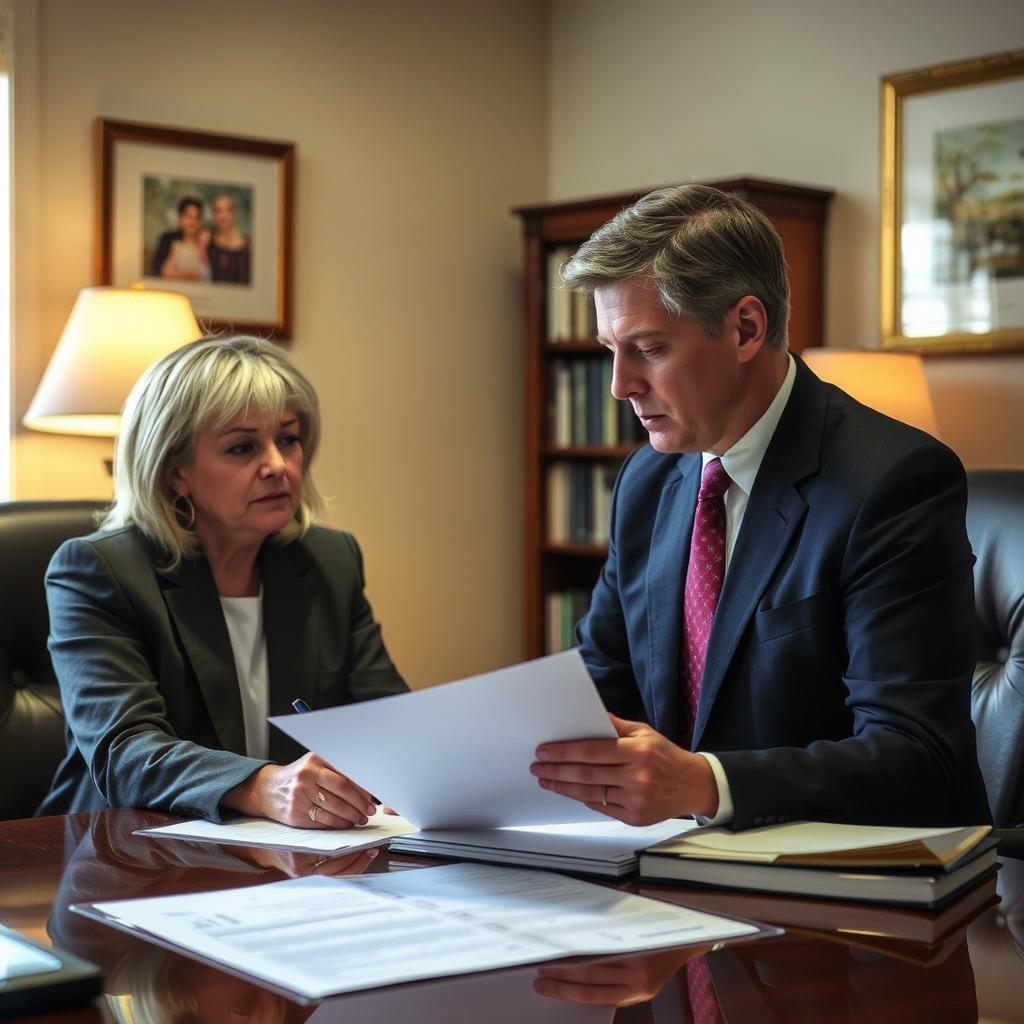
Child Guardianship Lawyer Fluvanna County, VA
When a child’s parents are unable to care for them, a court‑appointed guardianship can provide legal authority to step in and make decisions about the child’s upbringing, education, and medical care. In Fluvanna County, Virginia, child guardianship proceedings are governed by Title 64.2 of the Virginia Code and are handled through the local courts—most often the Fluvanna County Juvenile and Domestic Relations District Court, with certain matters proceeding in the Fluvanna County Circuit Court. Law Offices Of SRIS, P.C. has represented families in Fluvanna County guardianship cases since 1997. Mr. Sris and the firm’s Of Counsel attorneys understand the nuanced legal standards that apply to permanent guardianships, temporary guardianships, standby guardianships, and kinship placements. Whether you are a relative seeking to protect a child or a parent whose rights are at issue, having experienced legal guidance can help protect the child’s welfare and navigate the procedural requirements. Contact us at (888) 437‑7747 to request a consultation. Law Offices Of SRIS, P.C. – Advocacy Without Borders.
What Child Guardianship Means in Fluvanna County
A child guardianship is a court‑ordered arrangement that places a child in the care of a responsible adult when the child’s parents are deceased, incapacitated, or unable to provide proper care. Unlike custody, which usually arises in divorce or separation contexts and involves parental rights, guardianship is often sought when a parent is absent, struggling with addiction, or otherwise unfit. In Virginia, the process is set out in Va. Code § 64.2‑2000 et seq., and Fluvanna County courts apply the same statutory framework while considering local court practices and resources.
Fluvanna County is part of the Sixteenth Judicial Circuit, with the county seat in Palmyra. Guardianship petitions are typically heard in the Fluvanna County Juvenile and Domestic Relations District Court, located at 72 Main Street, Suite B, Palmyra, Virginia 22963. That court has jurisdiction over most child‑protective matters, including petitions for temporary guardianship and approval of standby guardianship designations. In some instances, particularly where a guardianship is sought alongside a termination of parental rights or is contested in a complex way, the case may move to the Fluvanna County Circuit Court, which also sits in the same courthouse complex. Knowing which court has authority over your specific situation is a threshold consideration, and an attorney familiar with local dockets can help ensure filings are directed appropriately.
The legal standard in all child guardianship cases is the best interests of the child. The court will evaluate the proposed guardian’s stability, the child’s relationship with that person, the physical and emotional needs of the child, and any history of abuse or neglect. In many cases, the court appoints a Guardian ad Litem—an independent attorney who represents the child’s interests—and may order a home study or background investigation. While the statutory criteria are set out in the Virginia Code, the way a judge weighs the factors can vary based on the specific circumstances and the evidence presented. Having an attorney who knows how to build a thorough record for the court can make the difference between a smooth outcome and a protracted dispute.
How Mr. Sris and the Firm’s Of Counsel Attorneys Handle Child Guardianship Cases
Guardianship cases often involve emotional family dynamics and legal complexity, and our approach focuses on clear communication and careful preparation. When you contact Law Offices Of SRIS, P.C., a legal professional will speak with you about your situation—whether you need to establish a guardianship, oppose one, or modify an existing order—and gather the information needed to map out a path forward. From our Shenandoah location, we represent clients at the Fluvanna County courts, appearing at all stages from initial petitions through contested hearings.
The typical process begins with an evaluation of the facts: who is seeking guardianship, the child’s current living situation, and whether any parent is objecting. If the matter is uncontested and all necessary consents are obtained, we prepare and file the petition, affidavits, and any required reports. When a contested hearing is necessary, we build a record through witness testimony, documentary evidence, and, where appropriate, experienced attorney input such as home‑study reports or psychological evaluations. Throughout the process, we keep you informed about what to expect and work to resolve disputes without unnecessary litigation when that serves the child’s welfare.
Because guardianship orders can later be modified or terminated if circumstances change, we also advise clients on enforcement and future modifications. A guardianship that was initially temporary may need to be extended; a permanent guardianship may be challenged. Mr. Sris and the firm’s Of Counsel attorneys have experience with the full lifecycle of these matters and can help clients to prepare for potential future developments as well as the immediate proceeding.
About Mr. Sris and the Firm’s Of Counsel Attorneys
Mr. Sris, Owner and Founder of Law Offices Of SRIS, P.C., is a former prosecutor who has practiced law since 1997. He is admitted in Virginia, Maryland, the District of Columbia, New Jersey, and New York, giving the firm the ability to handle child guardianship matters that may cross jurisdictional lines. Mr. Sris keeps a focused caseload, allowing deep involvement in each matter, and works alongside the firm’s Of Counsel attorneys—independent practitioners who bring their own extensive courtroom backgrounds to family law cases. The firm’s Of Counsel attorneys include lawyers who have served as former state troopers, former prosecutors in other jurisdictions, and litigators with decades of trial experience. This collective experience allows the firm to address guardianship disputes from multiple angles. Results vary based on each case’s unique facts; prior results do not guarantee a similar outcome.
Frequently Asked Questions
What is child guardianship in Virginia?
Child guardianship is a legal arrangement in which a court appoints a responsible adult to care for a minor child and make decisions about the child’s welfare when the parents are unable to do so. In Virginia, guardianships are governed by Title 64.2 of the Virginia Code. The guardian assumes legal responsibility for the child’s day‑to‑day care, education, and medical decisions, while parental rights may be suspended but not necessarily terminated. Guardianships can be permanent, temporary, or standby, depending on the circumstances. The court’s primary concern is the best interests of the child, and the process often involves an investigation and a Guardian ad Litem. For guidance on your specific situation, reach Law Offices Of SRIS, P.C. at (888) 437‑7747.
How is guardianship different from custody?
Custody generally refers to a parent’s legal right to make decisions for their child and have the child live with them, while guardianship involves a non‑parent assuming those responsibilities when the parents are unavailable or unfit. Custody disputes normally arise between parents in a divorce or separation, whereas guardianship petitions can be filed by grandparents, other relatives, or even non‑relatives when parenting is deficient. Guardianship also typically does not terminate the parents’ rights permanently; parents may later petition to regain custody if conditions improve. The court in Fluvanna County will evaluate the specific family dynamics to determine whether guardianship or a custody arrangement better serves the child.
What types of child guardianship are available in Virginia?
Virginia law recognizes several forms of child guardianship, including permanent guardianship, temporary guardianship, standby guardianship, and kinship guardianship. Permanent guardianship is a long‑term arrangement where parental rights may be suspended but not terminated. Temporary guardianship is designed for limited periods—for instance, while a parent is hospitalized or deployed. Standby guardianship allows a parent to designate a guardian in advance in case of future incapacity. Kinship guardianship prioritizes placement with relatives. The appropriate type depends on the child’s needs and the parent’s situation, and the Fluvanna County courts will assess the facts presented.
What factors does the Fluvanna County court consider when appointing a guardian?
The court’s guiding standard is the best interests of the child, taking into account the proposed guardian’s ability to provide a stable home, the child’s relationship with that person, the child’s physical and emotional needs, and any history of abuse or neglect. In Fluvanna County, the judge may also order a home study or a report from a Guardian ad Litem before making a decision. The court will weigh whether the placement promotes the child’s overall well‑being and will consider any competing petitions from other relatives or interested parties. Presenting a complete factual picture is critical, and an attorney can help organize and present that evidence effectively.
Why should I hire a lawyer for a child guardianship case in Fluvanna County?
A guardianship petition involves complex procedural requirements, evidentiary standards, and often emotional family dynamics; an experienced attorney can help navigate the process and present the case in a way that best supports the child’s interests. Fluvanna County courts have specific local rules and filing practices, and mistakes in the petition or supporting documents can cause delays or even dismissal. Additionally, if the guardianship is contested—or if a parent later seeks to terminate the guardianship—the legal issues can become much more challenging. To discuss the details of your matter, contact Law Offices Of SRIS, P.C. at (888) 437‑7747.
How long does the guardianship process take?
The timeline for a child guardianship in Fluvanna County depends on court scheduling, whether the petition is contested, and the need for investigations or home studies. Some uncontested cases can be resolved relatively quickly once all required documents are filed and investigations are complete, while contested matters may require multiple hearings and take considerably longer. The court’s calendar and the complexity of the family situation are significant influences. Nobody can guarantee a specific timeframe, but working with an attorney who is familiar with the local courts can help keep the process moving efficiently.
Related Legal Services
Family Law Attorney in Fairfax County •
Family Law Attorney in Prince William County •
Family Law Attorney in Loudoun County •
Family Law Attorney in Falls Church, VA •
Family Law Attorney in Manassas, VA
Virginia Legal Resources
Virginia Code Title 64.2 – Guardianship and Conservatorship •
Fluvanna County Circuit and District Courts •
Virginia Judicial System
Reviewed by Mr. Sris, Owner and Founder. Admitted in Virginia, Maryland, the District of Columbia, New Jersey, and New York. Practicing since 1997.
Attorney advertising. Prior results do not guarantee a similar outcome. Results may vary.
Case results depend on a variety of factors unique to each case.