
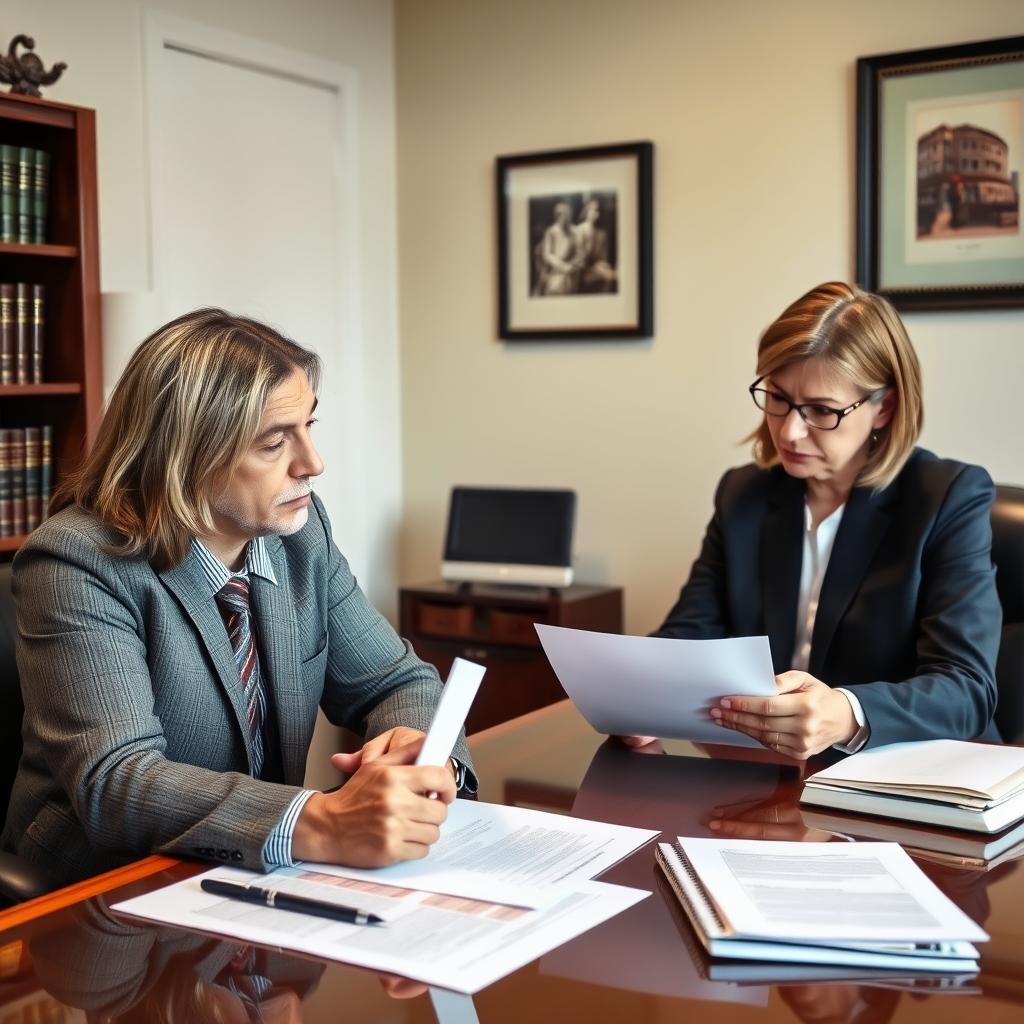
Fault Based Divorce Lawyer Albemarle County
You need a Fault Based Divorce Lawyer Albemarle County to prove specific marital misconduct in court. Law Offices Of SRIS, P.C.—Advocacy Without Borders. represents clients in Albemarle County Circuit Court. We handle fault grounds like adultery, cruelty, desertion, and felony conviction. Fault divorces require evidence and can impact support and property. Our team knows the local judges and procedures. (Confirmed by SRIS, P.C.)
Statutory Definition of Fault Divorce in Virginia
The statutory basis for a fault divorce in Virginia is defined under Virginia Code § 20-91. This section classifies fault grounds as a no-fault alternative and carries the maximum penalty of granting the divorce and potentially affecting financial awards. A fault based divorce in Albemarle County requires you to prove one of several specific grounds. These grounds are distinct from living separate and apart. You must present clear and convincing evidence to the court. The judge must be convinced the misconduct occurred. This is a higher standard than a simple allegation.
Virginia Code § 20-91(A) — Fault Grounds for Divorce — Grant of divorce decree and potential impact on spousal support and equitable distribution.
The code lists the specific fault grounds. Adultery is a common but difficult ground to prove. Cruelty involves reasonable apprehension of bodily hurt or willful desertion. Felony conviction requires imprisonment for over one year. Each ground has specific legal elements. You must meet all elements for your case. A Fault Based Divorce Lawyer Albemarle County knows how to frame the evidence.
What are the fault grounds for divorce in Virginia?
Virginia law recognizes five specific fault grounds for divorce. Adultery is voluntary sexual intercourse outside the marriage. Cruelty includes reasonable fear of bodily harm. Willful desertion is abandonment for one year or more. Felony conviction requires imprisonment. The fifth ground is based on a protective order for family abuse. Each ground stops the clock for a no-fault separation period. Proving these grounds requires documentation and sometimes witnesses.
How does adultery differ from other fault grounds?
Adultery is the only fault ground with no statutory waiting period after the act. You can file immediately upon discovery. The evidence standard is high, often requiring circumstantial proof. Other grounds like desertion have a defined one-year duration. Cruelty requires a showing of reasonable apprehension. Felony conviction needs a final sentencing order. An at-fault divorce lawyer Albemarle County can assess which ground fits your facts.
What is the burden of proof for a fault divorce?
The burden of proof for a fault divorce is clear and convincing evidence. This is higher than a preponderance of the evidence used in civil cases. It requires the judge to be firmly convinced of the truth of the allegation. Mere suspicion or accusation is insufficient. You need corroborating evidence like emails, witnesses, or financial records. The opposing spouse will likely contest the claims. Strong legal strategy is essential from the start.
The Insider Procedural Edge in Albemarle County
Your fault divorce case will be filed at the Albemarle County Circuit Court located at 501 E. Jefferson Street, Charlottesville, VA 22902. This court handles all divorce filings for the county. The procedural timeline from filing to final hearing can vary. It depends on court docket schedules and case complexity. Contested fault divorces take longer than uncontested ones. You must file a Complaint for Divorce outlining the fault grounds. The filing fee is set by the state and county clerk. Expect to pay approximately $100 to $150 to initiate the case. Procedural specifics for Albemarle County are reviewed during a Consultation by appointment at our Albemarle County Location.
What is the typical timeline for a fault divorce?
A contested fault divorce in Albemarle County typically takes nine months to over a year. The timeline starts with filing and serving the complaint. The defendant has 21 days to file an Answer. Discovery and evidence gathering can take several months. Settlement negotiations may occur at any point. If no settlement, the court will schedule a trial. Local docket congestion can add delays. An experienced lawyer manages these phases efficiently.
What are the court filing fees in Albemarle County?
The court filing fees for a divorce complaint in Albemarle County are approximately $100 to $150. This fee is paid to the Circuit Court Clerk when you file. Additional costs include fees for serving the papers on your spouse. There may be fees for filing motions or other pleadings. The final decree of divorce may have a separate recording fee. Fee waivers are possible for qualifying individuals. Your lawyer will explain all potential costs upfront.
Penalties & Defense Strategies in Fault Divorces
The most common penalty in a fault divorce is the court granting the divorce and potentially awarding higher spousal support to the innocent spouse. A finding of fault can significantly influence the judge’s decisions on financial matters. The court has broad discretion in equitable distribution of marital property. Fault may justify a disproportionate award to the wronged party. It can also affect the duration and amount of spousal support. Child custody is decided based on the child’s best interests, not marital fault. However, evidence of fault like cruelty can impact a custody evaluation.
| Offense (Fault Ground) | Potential Legal Penalty/Outcome | Notes |
|---|---|---|
| Adultery | Divorce granted; possible bar to spousal support for adulterous spouse; impact on equitable distribution. | Difficult to prove; requires corroboration. |
| Cruelty | Divorce granted; potential for protective orders; can affect custody and support. | Must show reasonable apprehension of bodily harm. |
| Willful Desertion | Divorce granted after one year; may affect spousal support awards. | Requires proof of abandonment without consent or justification. |
| Felony Conviction | Divorce granted; imprisonment factor can heavily influence property and support. | Requires sentence of more than one year; conviction must be final. |
[Insider Insight] Albemarle County prosecutors in the Commonwealth’s Attorney’s Location do not handle divorce cases, but the local family court judges are familiar with fault allegations. The trend is toward settling financial aspects even when fault is alleged. Judges expect solid evidence, not just emotional testimony. They scrutinize claims of adultery closely. Defenses against fault claims often involve denying the act, proving condonation, or showing collusion. A strong defense requires careful evidence collection.
Can fault affect spousal support in Virginia?
Yes, fault can directly affect spousal support awards in Virginia. Virginia Code § 20-107.1 allows the court to consider the circumstances leading to the divorce. This includes marital misconduct. A spouse found guilty of adultery or cruelty may be awarded less support. The innocent spouse may receive more support or for a longer duration. The court weighs fault against other statutory factors. It is not the sole determinant but carries significant weight.
What are defenses to a fault-based divorce claim?
Common defenses include denial, condonation, connivance, and collusion. Denial simply contests the alleged facts. Condonation is forgiveness and resumption of marital relations after knowing of the fault. Connivance involves setting up or consenting to the misconduct. Collusion is an agreement between spouses to fabricate grounds for divorce. Proving a defense requires evidence like correspondence or witness testimony. An at-fault divorce lawyer Albemarle County builds these defenses strategically.
Why Hire SRIS, P.C. for Your Albemarle County Fault Divorce
Our lead attorney for family law matters has extensive litigation experience in Virginia circuit courts. He understands the precise evidence needed for fault grounds. SRIS, P.C. has handled numerous contested divorce cases in the region. We know the tendencies of the Albemarle County family law judges. Our approach is direct and strategic, focused on your objectives. We prepare every case as if it will go to trial. This preparation often leads to favorable settlements. We provide clear advice on the risks and benefits of pursuing fault.
Attorney Background: Our family law team includes attorneys with deep knowledge of Virginia Code Title 20. They have represented clients in high-conflict divorces involving complex fault allegations. They are familiar with local rules and procedures in Albemarle County Circuit Court. They work to protect your financial and parental rights throughout the process.
The firm’s differentiator is its trial-ready posture and our experienced legal team. We do not shy away from court when necessary. We also have resources for thorough investigation and discovery. This is critical for proving or defending against fault. We coordinate with financial experienced attorneys if needed. Our goal is to achieve the best possible outcome under your circumstances. You need a lawyer who knows how to present a fault case effectively.
Localized FAQs for Fault Divorce in Albemarle County
How long do you have to be separated for a no-fault divorce in Virginia?
You must live separate and apart for one year if you have minor children. The separation period is six months without minor children and a signed separation agreement. The separation must be continuous and without cohabitation.
What is the difference between divorce from bed and board and divorce from the bond of matrimony?
A divorce from bed and board is a legal separation, not a final divorce. It does not allow remarriage. A divorce from the bond of matrimony is a final, absolute divorce that dissolves the marriage completely and permits remarriage.
Can you get a fault-based divorce in Virginia if you have a separation agreement?
Yes, you can still pursue a fault-based divorce even with a separation agreement. The agreement may settle property and support, but the fault grounds provide the basis for the divorce decree. The two processes can run parallel.
How does a fault finding impact property division in Virginia?
A fault finding can impact equitable distribution under Virginia Code § 20-107.3. The court may consider the circumstances of the marital misconduct. This can lead to a disproportionate distribution of marital assets in favor of the innocent spouse.
Where do I file for divorce if I live in Albemarle County?
You must file your Complaint for Divorce with the Albemarle County Circuit Court. The court is located at 501 E. Jefferson Street in Charlottesville. Jurisdiction is based on residency requirements.
Proximity, CTA & Disclaimer
Our Albemarle County Location serves clients throughout the region. We are positioned to provide effective representation at the Albemarle County Circuit Court. For a fault based divorce lawyer Albemarle County residents can rely on, contact SRIS, P.C. Consultation by appointment. Call 24/7. Our legal team is ready to discuss your case. We offer direct guidance on fault grounds and litigation strategy. Reach us at our main contact number to schedule a case review. SRIS, P.C. provides Virginia family law attorneys with a focused approach. We also provide criminal defense representation for related matters. For other driving-related legal issues, consider our DUI defense in Virginia services.
Past results do not predict future outcomes.