
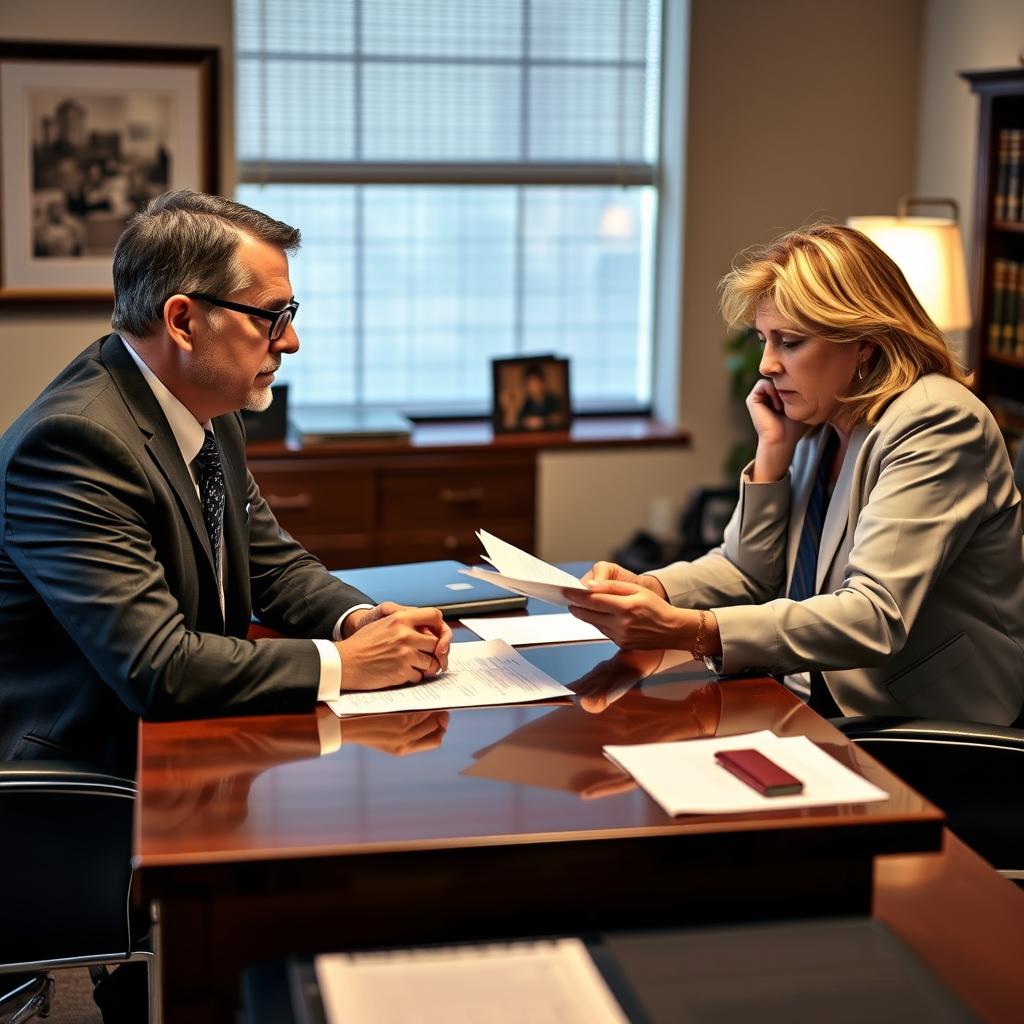
Fault Based Divorce Lawyer Rockingham County, VA
A fault‑based divorce in Virginia allows a spouse to seek an immediate divorce upon proof of marital misconduct, without serving the standard separation period required in no‑fault cases. In Rockingham County, these matters are heard in the Rockingham County Circuit Court at 53 Court Square, Harrisonburg, Virginia. While fault grounds such as adultery, cruelty, desertion, or felony conviction can accelerate the divorce process, they also raise heightened factual and legal burdens. The outcome often influences property division and spousal support. Mr. Sris, Owner and Founder of Law Offices Of SRIS, P.C., and his Of Counsel bring focused experience to fault‑based divorce actions in the Shenandoah Valley, including Harrisonburg, Bridgewater, Dayton, Elkton, Timberville, and Broadway. To schedule a consultation, reach our firm at (888) 437‑7747. Law Offices Of SRIS, P.C. – Advocacy Without Borders.
What Fault‑Based Divorce Means in Rockingham County
Virginia Code § 20‑91 identifies four fault grounds for absolute divorce: adultery, cruelty that causes a reasonable apprehension of bodily harm, willful desertion or abandonment for one year, and a felony conviction resulting in imprisonment of more than one year. A spouse who can prove one of these grounds may file a Complaint for Divorce in the Rockingham County Circuit Court without first living separate and apart. In contrast, no‑fault divorce requires either a one‑year separation or a six‑month separation when no minor children are involved and the parties have signed a separation agreement.
Rockingham County sits within the Twenty‑sixth Judicial District. The Circuit Court, located at 53 Court Square, Harrisonburg, VA 22801, has exclusive jurisdiction over divorce and equitable distribution. If custody, visitation, or child support is disputed, those issues may be heard in the Rockingham County Juvenile and Domestic Relations District Court. The procedural path often begins with filing a complaint, serving the other spouse, and attending a pendente lite hearing for temporary relief. A fault‑based case may also require a corroborating witness to support the allegations. The court’s equitable distribution analysis under Va. Code § 20‑107.3 considers all relevant factors, and proven marital fault can weigh heavily in decisions about spousal support and the division of assets.
Because fault‑based divorces turn on specific evidence, the process can become contested, even if both parties want to move forward. Mr. Sris and his Of Counsel are familiar with the evidentiary demands of fault allegations in Rockingham County and work to present claims in a manner that respects both the legal standard and the client’s personal circumstances. The firm serves clients throughout the I‑81 corridor and surrounding communities, offering guidance at each stage from initial filing through trial or settlement.
How Mr. Sris and His Of Counsel Handle Fault‑Based Divorce Cases
Every fault‑based divorce involves collecting and presenting evidence that meets the statutory standard. Mr. Sris and his Of Counsel approach each matter by first evaluating the factual foundation for the alleged ground, gathering corroborating documentation and witness statements, and assessing how the fault claim interacts with support and property‑division objectives. In cases where negotiations are possible, the team works to reach a settlement that avoids trial; when litigation becomes necessary, they are prepared to present the evidence in the Rockingham County Circuit Court.
Mr. Sris and his Of Counsel bring over 120 years of combined legal experience to family law matters. Results may vary. The firm’s documented case results since 1997 exceed 4,739 matters across all practice areas, and 30 outcomes in Rockingham County have resulted in favorable resolutions for the clients represented. Results may vary. The firm’s familiarity with the local judiciary and procedural rhythms of the Twenty‑sixth Judicial District allows for a practical, case‑by‑case strategy rather than a one‑size‑fits‑all approach.
About Mr. Sris and His Of Counsel Team
Mr. Sris, Owner and Founder of Law Offices Of SRIS, P.C., is a former prosecutor who has practiced family law since 1997. He is admitted in Virginia, Maryland, the District of Columbia, New Jersey, and New York. His experience includes testifying before the Virginia House Courts of Justice Committee in support of 2019 HB 635 (chief patron Del. David Bulova). Mr. Sris works collaboratively with his Of Counsel, all experienced attorneys, to address the legal and practical facets of fault‑based divorce. The team’s collective knowledge spans evidence gathering, property classification, support calculations, and trial advocacy.
Frequently Asked Questions
What is a fault‑based divorce in Virginia?
A fault‑based divorce in Virginia permits a spouse to end the marriage immediately upon proving statutory marital misconduct, with no mandatory separation period. The grounds are stated in Va. Code § 20‑91 and include adultery, cruelty, desertion, and certain felony convictions. Because no waiting period is required, a fault‑based divorce can be faster than a no‑fault case, but proving the ground demands clear and convincing evidence. If the court finds fault, it may award a larger share of marital property or spousal support to the innocent spouse. The Rockingham County Circuit Court is the proper venue for all divorce actions, including those based on fault.
What are the fault grounds for divorce in Rockingham County?
Virginia lists adultery, cruelty, willful desertion for one year, and a felony conviction that results in imprisonment for more than one year as fault grounds for divorce. Each ground has its own evidentiary standard. For example, adultery may be proved by circumstantial evidence if it shows both opportunity and disposition, while cruelty requires evidence of conduct that caused a reasonable fear of bodily harm. Desertion must be continuous and unexcused. In Rockingham County, a complaint raising any of these grounds is filed in the Circuit Court, and the case proceeds under local scheduling.
How does a fault‑based divorce affect property division in Rockingham County?
Virginia is an equitable distribution state, and a finding of fault can directly influence how the court divides marital assets and awards spousal support. Under Va. Code § 20‑107.3, the judge weighs factors including the circumstances that led to the dissolution of the marriage. Adultery or extreme cruelty may reduce the at‑fault spouse’s share of property or increase their support obligation. Separate property remains unaffected. Because of the serious financial implications, presenting a fault claim requires thorough preparation. Mr. Sris and his Of Counsel help clients assess whether a fault ground is worth pursuing in light of the likely distribution outcome.
Do I need a lawyer for a fault‑based divorce in Rockingham County?
You are not legally required to hire a lawyer, but fault‑based divorces involve complex evidence rules, procedural requirements, and strategic decisions that make experienced representation highly advisable. Proving adultery, for instance, may require financial records, electronic communications, and private‑investigator testimony, while cruelty claims can hinge on subjective perceptions. An attorney helps organize the proof, avoid procedural errors, and negotiate a resolution that protects your interests. Legal guidance is especially valuable when children, substantial assets, or business ownership are part of the marriage.
How long does a fault‑based divorce take in Rockingham County?
The timeline depends on whether the divorce is contested, the court’s calendar, and how much time is needed to present evidence on the fault ground. An uncontested fault‑based divorce, where the other spouse does not challenge the claim, can move through the system more quickly than a no‑fault case because there is no separation period to satisfy. Contested cases, however, may require discovery, depositions, and trial, which can extend the process for many months. Mr. Sris and his Of Counsel work to move cases forward efficiently while preserving the client’s right to a full hearing when necessary.
What is the first step to start a fault‑based divorce in Rockingham County?
The first step is to file a Complaint for Divorce with the Rockingham County Circuit Court, along with supporting evidence of the alleged fault ground, and to serve the other spouse. The complaint must state the ground for divorce and the remedy sought. Once served, the defendant has a period to respond. The court may then schedule a pendente lite hearing to address temporary support, custody, and use of the marital home. A fault‑based case often benefits from early legal planning to secure evidence and identify witnesses. Contact Law Offices Of SRIS, P.C. at (888) 437‑7747 for guidance on initiating the process.
Explore family law representation in nearby counties: Clarke County · Shenandoah County · Frederick County · Warren County.
Virginia statutory authority: Virginia Code Title 20 · Rockingham County court information: Rockingham Circuit Court · Virginia Judicial System: Virginia’s Court System.
Attorney advertising. Prior results do not guarantee a similar outcome.
Case results depend on a variety of factors unique to each case.