
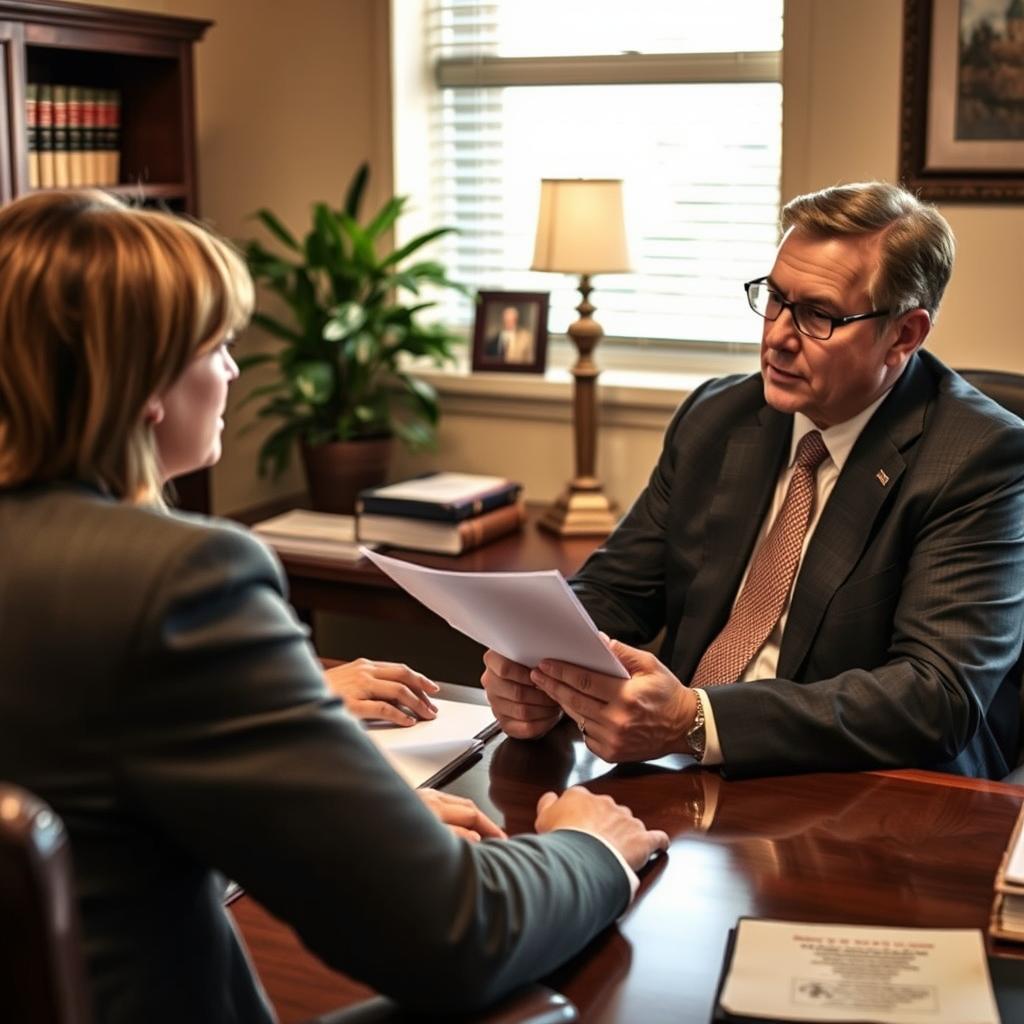
Felony Conviction Divorce Lawyer Prince George County, VA
A felony conviction that results in a sentence of confinement for more than one year is a statutory ground for absolute divorce in Virginia under Va. Code § 20-91. If your spouse has been incarcerated for a felony and you are seeking to end the marriage in Prince George County, you need a lawyer who understands the interplay between criminal sentencing and family law. Law Offices Of SRIS, P.C., practicing since 1997, represents individuals in family law matters throughout Prince George County, including at the Prince George County Circuit Court. Mr. Sris, a former prosecutor and Owner and Founder of the firm, brings firsthand insight into how felony convictions affect divorce, property division, and custody. Reach our Richmond Location at (888) 437-7747 to discuss your situation. Law Offices Of SRIS, P.C. – Advocacy Without Borders.
What Felony Conviction Divorce Means in Prince George County
Virginia Code § 20-91 lists several fault‑based grounds for divorce, and one of them is the sentencing of a spouse to confinement for more than one year following a felony conviction. This ground allows the non‑incarcerated spouse to file for divorce without any mandatory separation period. The divorce action must be filed in the Circuit Court, which has exclusive jurisdiction over divorce under Va. Code § 20-96. In Prince George County, that court is the Prince George County Circuit Court, located at 6601 Courts Drive, Prince George, VA 23875.
The felony conviction itself can influence other aspects of the dissolution. Virginia is an equitable distribution state, and the court considers eleven factors under Va. Code § 20-107.3 when dividing marital property. A spouse’s criminal conduct and resulting incarceration may factor into the fairness analysis, particularly if the felony depleted marital assets or affected family welfare. Custody and visitation decisions are made under the trusted‑interests standard of Va. Code § 20-124.3, and a felony conviction involving violence or neglect can affect parenting time. Spousal support under Va. Code § 20-107.1 also takes into account the circumstances that contributed to the end of the marriage.
How Mr. Sris and His Of Counsel Handle Felony Conviction Divorce Cases
When a divorce is grounded on a felony conviction, the legal work often involves coordinating with the criminal‑case record. Mr. Sris and his Of Counsel team gather certified copies of the judgment of conviction and sentencing orders, confirm the length of confinement, and ensure that the statutory requirement of a sentence exceeding one year is met. If the convicted spouse has an appeal pending, they can advise on how that affects the timing and viability of the divorce filing.
Property division in these matters can be complex. The team identifies marital assets separate from any assets that may have been used for restitution, legal fees, or court costs. They also address custody concerns, working toward arrangements that protect children while considering the incarcerated parent’s limited involvement. Mr. Sris’s background as a former prosecutor gives him a thorough understanding of criminal‑court procedures and documentation, which informs the family‑law strategy. The firm does not guarantee any outcome; every case depends on its unique facts. Results may vary.
About Mr. Sris and His Of Counsel Team
Mr. Sris is the Owner and Founder of Law Offices Of SRIS, P.C. He founded the firm in 1997 and has practiced law for over 28 years. A former prosecutor, Mr. Sris understands how criminal convictions arise and how they affect subsequent civil matters such as divorce. He is admitted in Virginia, Maryland, the District of Columbia, New Jersey, and New York. Mr. Sris testified before the Virginia House Courts of Justice Committee in support of 2019 HB 635 (chief patron Del. David Bulova), which revised a key equitable distribution statute.
Mr. Sris works alongside his Of Counsel, a team of experienced attorneys who collectively contribute to the firm’s family‑law practice. All non‑Sris attorneys serve as Of Counsel; the firm has no associates or partners. Mr. Sris and his Of Counsel bring over 120 years of combined legal experience, with 4,739+ documented firm-wide results. Results may vary. The Richmond Location at 7400 Beaufont Springs Drive, Suite 300, Room 395, Richmond, VA 23225, serves clients in Prince George County and surrounding areas. Reach the firm at (888) 437-7747.
Frequently Asked Questions
What is a felony conviction divorce in Virginia?
A felony conviction divorce is a fault‑based ground for absolute divorce available when one spouse has been sentenced to confinement for more than one year after a felony conviction under Va. Code § 20-91. It allows the non‑incarcerated spouse to file for divorce without a separation waiting period. The Prince George County Circuit Court has exclusive jurisdiction over the divorce action. The conviction itself must be final, and the sentence must exceed one year. This ground is separate from no‑fault divorce and can affect property division, spousal support, and custody.
How does a felony conviction affect divorce proceedings in Prince George County?
The conviction serves as a fault ground, which can influence equitable distribution, spousal support, and custody decisions in the Prince George County Circuit Court. The court may consider the financial impact of the felony on the family, including legal costs and lost income. Custody orders will prioritize the best interests of the child, and a felony involving violence or endangerment can result in limited parenting time. The divorce can proceed as soon as the sentence is imposed, without a mandatory separation period.
Do I need a lawyer for a divorce based on a spouse’s felony conviction?
While no law requires you to hire a lawyer, handling a divorce that involves a felony conviction raises procedural and evidentiary issues that benefit from experienced legal guidance. You must present certified court records, navigate potential objections to jurisdiction or grounds, and address financial and custody matters that can be complicated by the spouse’s incarceration. Mr. Sris and his Of Counsel team work to present a clear case, manage documentation, and pursue a resolution that reflects your circumstances. Every case is unique, and a consultation can help you understand the path forward.
What happens to property and custody when a spouse is convicted of a felony?
Property division remains governed by equitable distribution factors under Va. Code § 20-107.3, and custody is decided under the trusted‑interests standard of Va. Code § 20-124.3. The felony conviction and resulting financial strain may affect how the court views each spouse’s contributions and economic fault. In custody matters, the court will consider the nature of the offense, the length of incarceration, and whether the child’s safety is at risk. The non‑incarcerated parent typically receives primary physical custody while the other parent’s rights may be suspended or limited.
Can I get a divorce if my spouse is currently incarcerated in Virginia?
Yes, you can file for divorce immediately upon conviction and sentencing to confinement for more than one year; the incarceration itself satisfies the ground under Va. Code § 20-91. The fact that your spouse is incarcerated does not prevent the divorce from proceeding. The court will take steps to ensure the incarcerated spouse receives notice and an opportunity to respond, which may involve service by the sheriff or alternative methods. Representation from a lawyer familiar with these procedural nuances is important to avoid delays.
How do I start the divorce process in Prince George County?
You begin by filing a complaint for divorce in the Prince George County Circuit Court, citing the felony conviction ground, along with supporting documents such as the final order of conviction and sentence. You must meet Virginia’s residency requirement: one party must have been a resident and domiciliary of Virginia for at least six months before filing. After filing, the complaint must be served on the incarcerated spouse. The case then proceeds through discovery, possible pendente lite motions for temporary relief, and ultimately a final hearing. Contact Law Offices Of SRIS, P.C. at (888) 437-7747 to discuss the steps in your specific situation.
See also our family law representation in: Fairfax County • Prince William County • Manassas
Virginia divorce statute: Va. Code § 20-91 • Prince George County Circuit Court: Prince George County Circuit Court • Virginia equitable distribution: Va. Code § 20-107.3
Attorney advertising. Prior results do not guarantee a similar outcome. Results may vary.
Case results depend on a variety of factors unique to each case.