
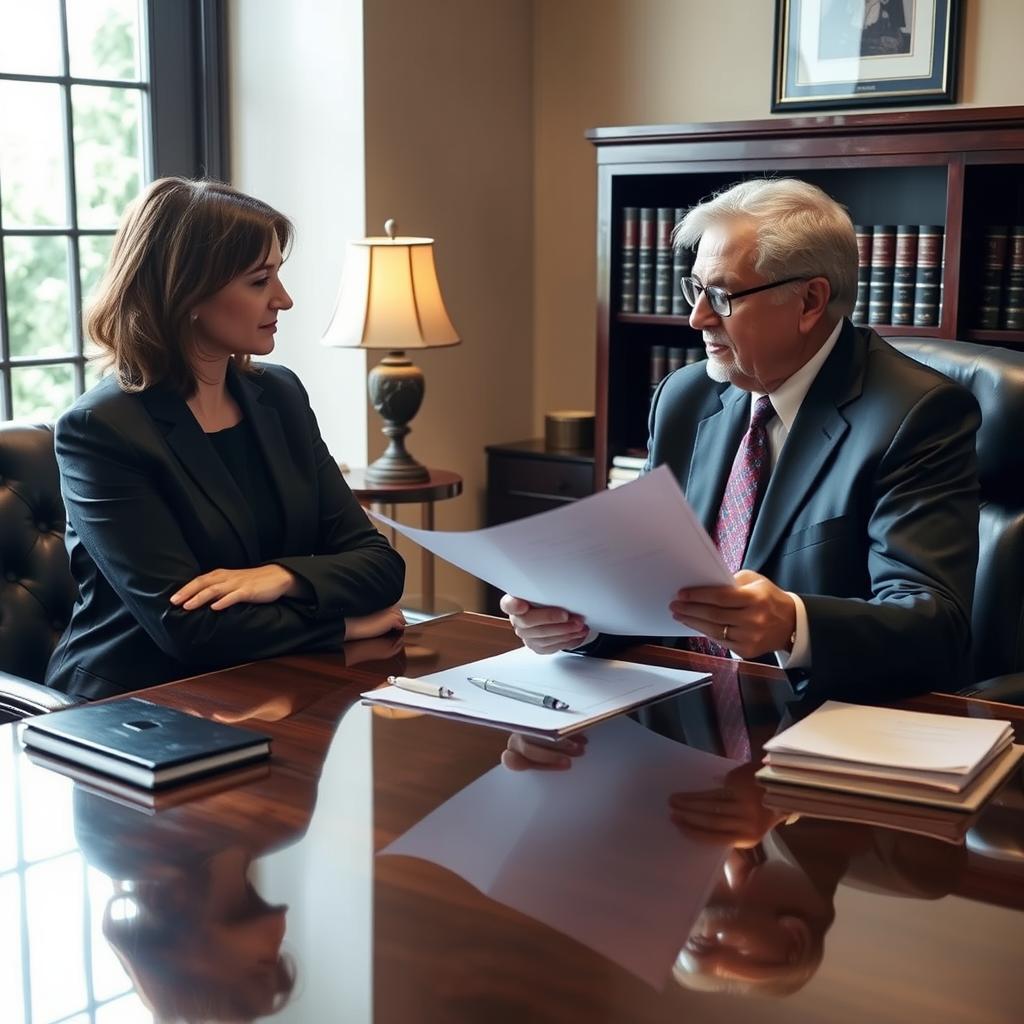
Richmond Divorce Lawyer
Ending a marriage raises legal questions about property, support, and parenting time. For people in Richmond, Virginia, the divorce process unfolds in the Richmond Circuit Court, which follows Virginia’s statutory framework for dissolving a marriage. Working with a Richmond divorce lawyer helps you understand the specific requirements that apply in the Richmond court system and how the law applies to your situation. Mr. Sris and the firm’s Of Counsel attorneys represent clients in divorce matters across Virginia, including Richmond and the surrounding communities. Reach Law Offices Of SRIS, P.C. at (888) 437-7747 to discuss your divorce. Law Offices Of SRIS, P.C. – Advocacy Without Borders.
What Divorce Means in Richmond, Virginia
Virginia law governs all divorce proceedings filed in the Commonwealth, and the Richmond Circuit Court is the trial-level court that hears these cases. Unlike some states, Virginia does not have a single, simplified “no-fault” route; the grounds for divorce are defined by statute and can affect how quickly a matter proceeds. The court must find that a valid ground exists before entering a final decree of divorce. Whether you seek an uncontested resolution or anticipate a contested trial, understanding the local court’s procedures and the Commonwealth’s legal standards is essential.
In the City of Richmond, the Circuit Court’s domestic relations docket addresses divorce, spousal support, equitable distribution of marital property, and custody and visitation if children are involved. The court applies Virginia’s equitable distribution model, which means the judge divides marital assets and debts in a manner the court considers fair after weighing statutory factors—not necessarily a 50/50 split. Spousal support, if awarded, may be temporary (pendente lite) or permanent, depending on the statutory factors and the facts of the case. A Richmond divorce lawyer familiar with local judicial expectations can present the issues in a manner that addresses what the court is required to consider.
Because divorce touches sensitive areas—parenting arrangements, retirement accounts, real estate—working with counsel who understands the Richmond court environment can make a meaningful difference. Mr. Sris and the firm’s Of Counsel attorneys have experience with divorce cases in the Richmond Circuit Court and throughout the Commonwealth.
How Mr. Sris and His Of Counsel Handle Divorce Cases
Mr. Sris and the firm’s Of Counsel attorneys take a fact-centered approach to each divorce. They begin by reviewing the marriage’s legal history, identifying the applicable grounds, and discussing whether the filing is likely to be contested or uncontested. If both spouses have reached an agreement, counsel can prepare a property settlement agreement and the necessary pleadings for an uncontested divorce, provided all statutory requirements are met. If the parties cannot agree, the firm represents the client throughout the litigation process, including discovery, settlement negotiations, and trial if needed.
Throughout the case, counsel addresses property classification and valuation, spousal-support eligibility, and, when children are involved, custody and visitation. The firm’s approach is to prepare each matter as though it will proceed to trial while exploring settlement at every stage. That dual focus often leads to resolutions that avoid the cost and stress of a contested hearing without sacrificing preparation. The timeline of any divorce case varies based on court scheduling, the complexity of the issues, and the level of agreement between the parties.
About Mr. Sris and the Firm’s Of Counsel Attorneys
Mr. Sris, Owner and Founder of Law Offices Of SRIS, P.C., has practiced law since 1997 and is admitted in Virginia, Maryland, the District of Columbia, New Jersey, and New York. His background includes experience as a former prosecutor, giving him insight into how contested matters are litigated. Mr. Sris testified before the Virginia House Courts of Justice Committee in support of 2019 HB 635 (chief patron Del. David Bulova), reflecting his commitment to the legal process in the Commonwealth.
The firm’s Of Counsel attorneys bring extensive combined legal experience to divorce and family law matters in Richmond. They work alongside Mr. Sris on divorce cases, contributing to case analysis, document drafting, and courtroom advocacy. This collective approach allows the firm to handle the full range of divorce issues while maintaining a personal focus on each client’s priorities.
Frequently Asked Questions
Do I need a lawyer for a divorce in Richmond, Virginia?
You are not legally required to hire a lawyer to obtain a divorce in Virginia, but working with legal counsel helps protect your rights regarding property, support, and parenting arrangements. The Richmond Circuit Court’s procedural rules and the statutory requirements for pleadings, service, and grounds can be complex. An experienced Richmond divorce lawyer can guide you through the process and help you avoid mistakes that may affect the outcome.
What are the grounds for divorce in Virginia?
Virginia law recognizes both no-fault and fault-based grounds for divorce, with different statutory requirements for each. No-fault divorce requires the parties to have lived separate and apart without cohabitation for a period set by statute. Fault grounds include adultery, cruelty, desertion, and conviction of a felony. The ground under which you file can influence property division and spousal support. A Richmond divorce lawyer can explain which grounds apply to your situation.
How is property divided in a Richmond divorce?
Virginia follows equitable distribution, meaning the Richmond Circuit Court divides marital property in a manner the judge considers fair after considering a list of statutory factors. Separate property—assets owned before the marriage or received as a gift or inheritance—is generally not divided. In a divorce, “equitable” does not necessarily mean equal. Careful valuation and classification of assets, including retirement accounts and business interests, are critical to protecting your financial interests.
How long does a divorce take in Richmond?
The timeline for a divorce in Richmond varies based on whether the case is contested or uncontested and on the court’s calendar. If both spouses have signed a comprehensive property settlement agreement and all statutory prerequisites are satisfied, an uncontested divorce may proceed more quickly. Contested divorces require discovery, motions, and potentially a trial, which extends the process. For an estimate on your specific matter, speak with a Richmond divorce lawyer.
Can I get spousal support in my Richmond divorce?
Spousal support may be awarded by the Richmond Circuit Court based on a balancing of statutory factors that consider the needs of one spouse and the ability of the other to pay. Awards can be temporary, while the divorce is pending, or permanent, as part of a final decree. The court examines factors such as the duration of the marriage, the standard of living during the marriage, and each spouse’s earning capacity. An attorney can assess whether spousal support is likely in your case.
What should I bring to a consultation about my divorce?
For your initial consultation, gather documents that provide an overview of your finances and your marriage, including tax returns, pay stubs, bank and investment statements, and a list of assets and debts. If children are involved, information about their current living situation and any existing court orders, such as protective orders or prior custody arrangements, is helpful. Bringing these materials allows the attorney to give you more focused guidance about your case. For a consultation, reach Mr. Sris and the firm’s Of Counsel attorneys at (888) 437-7747.
Related family law services: Divorce · Child Custody · Spousal Support · Property Division
For additional guidance on the Virginia laws that govern divorce proceedings, see Virginia Code Title 20 (Domestic Relations) and the Virginia Courts website.
Case results depend on a variety of factors unique to each case.