
Note: This article is confirmed by Law Offices Of SRIS, P.C.
WRITTEN BY: Mr. Sris
Since 1997, Mr. Sris has led the firm, focusing on the most challenging criminal and family law cases. His background in accounting and information management aids in financial and technology-related cases. Involved in significant legislative changes in Virginia. My focus since founding the firm in 1997 has always been directed towards personally handling the most challenging and involved criminal and family law matters our clients face.
Marital Agreement Lawyer Loudoun VA
What is a Marital Agreement
Marital agreements serve as formal contracts that establish financial arrangements between spouses. These documents define how assets and debts will be handled during the marriage and in the event of separation or death. The primary purpose is to provide certainty and reduce potential conflicts by establishing clear expectations from the beginning.
Virginia law recognizes both prenuptial and postnuptial agreements. Prenuptial agreements are created before marriage, while postnuptial agreements are established after marriage has occurred. Both types require full financial disclosure from both parties to be enforceable. The agreements must be entered into voluntarily without coercion or pressure.
These contracts typically address several key areas. Property division terms specify which assets remain separate property and which become marital property. Debt allocation determines responsibility for existing and future obligations. Support provisions may outline spousal support terms in case of separation. Inheritance rights and estate planning considerations are also commonly included.
Virginia courts generally uphold marital agreements that meet legal requirements. The agreements must be in writing and signed by both parties. Each person should have independent legal counsel to ensure understanding of rights and obligations. The terms must be fair and reasonable at the time of signing and cannot violate public policy.
How to Create a Valid Marital Contract
The process of creating a valid marital contract involves several important steps. First, both parties must engage in complete financial disclosure. This includes listing all assets, debts, income sources, and financial obligations. Transparency at this stage is vital for the agreement’s validity and enforceability.
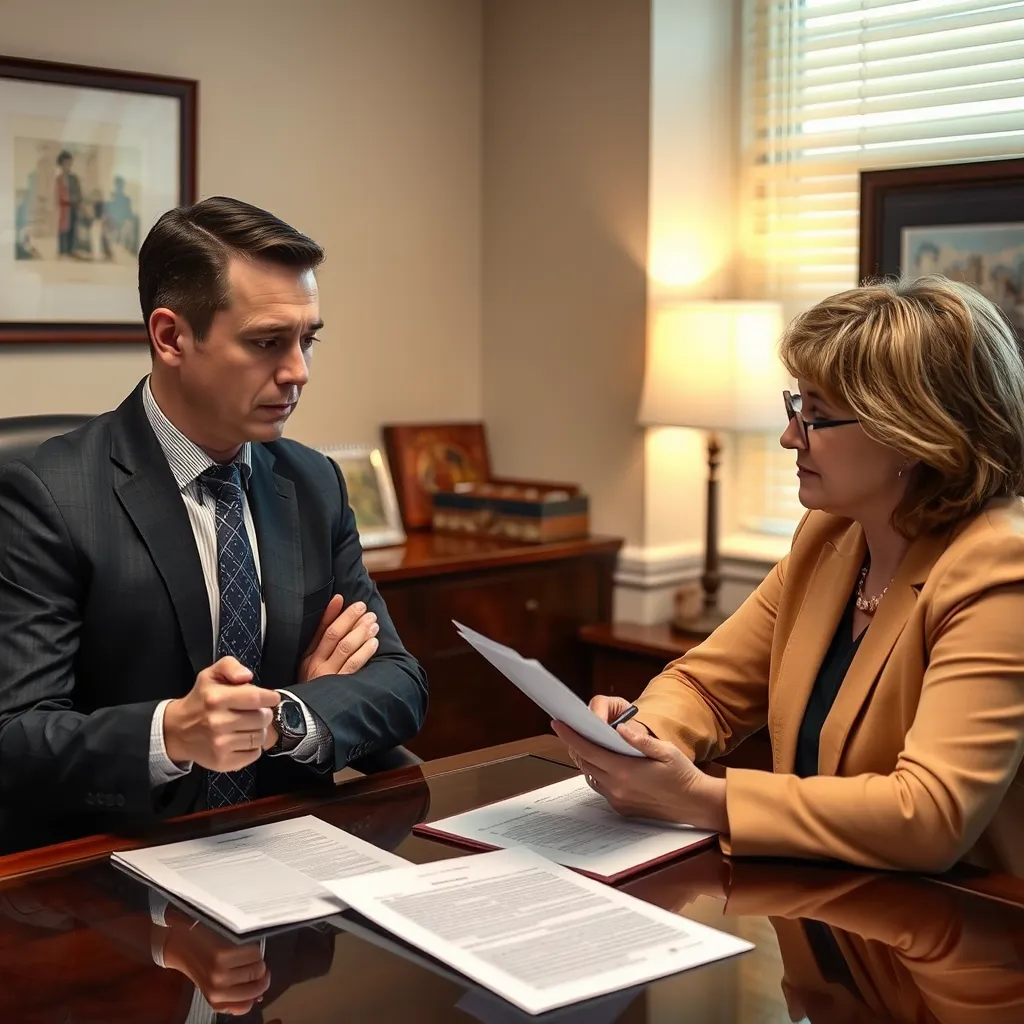
Each party should retain separate legal representation. Independent counsel ensures both individuals understand the agreement’s terms and implications. Lawyers can explain rights, obligations, and potential consequences of various provisions. This representation helps prevent claims of unfairness or lack of understanding later.
Drafting the agreement requires careful consideration of current and future circumstances. The document should address property classification, debt responsibility, and support arrangements. It should also consider potential changes like career advancements, inheritance, or business growth. Flexibility provisions can accommodate life changes while maintaining the agreement’s core protections.
Virginia law requires marital contracts to be in writing and signed by both parties. The signing should occur well before any wedding ceremony for prenuptial agreements. There should be no evidence of pressure, duress, or last-minute demands. Both parties must enter the agreement voluntarily with full understanding of its terms.
After signing, the agreement should be stored securely with copies provided to both parties and their attorneys. Regular reviews are recommended, especially after major life events like childbirth, career changes, or significant financial shifts. Updates may be necessary to reflect current circumstances and maintain the agreement’s relevance.
Can I Modify an Existing Marriage Agreement
Marriage agreements are not necessarily permanent documents. Virginia law allows modifications when both parties agree to changes. The modification process follows similar requirements to creating the original agreement. Both parties must consent voluntarily without pressure or coercion.
Common reasons for modifying marriage agreements include significant life changes. The birth or adoption of children often prompts updates to address child-related provisions. Career advancements or changes in financial circumstances may require adjustment of support terms. Inheritance, business growth, or relocation can also justify modifications to reflect new realities.
The modification process requires careful attention to legal formalities. Both parties must engage in updated financial disclosure to reflect current circumstances. Each person should have independent legal counsel review proposed changes. The modification agreement must be in writing and signed by both parties, just like the original document.
Certain provisions may have specific modification requirements. Support terms often include review clauses that allow periodic adjustments. Property division provisions might need updates after acquiring significant new assets. Debt allocation terms may require modification if financial circumstances change substantially.
It’s important to distinguish between modifications and complete revocation. Some parties may choose to revoke the entire agreement rather than modify specific terms. Revocation requires mutual consent and proper documentation. Either approach should be handled with legal guidance to ensure proper execution and future enforceability.
Why Hire Legal Help for Marital Contracts
Professional legal assistance provides several important benefits when creating marital contracts. Attorneys understand Virginia’s specific legal requirements and can ensure your agreement complies with state laws. They help draft clear, unambiguous terms that accurately reflect your intentions and circumstances.
Legal professionals guide you through the financial disclosure process. They ensure complete transparency while protecting sensitive information appropriately. Attorneys can identify potential issues that might not be obvious to those without legal training. This proactive approach helps prevent problems before they arise.
Experienced attorneys help balance protection with fairness. They can suggest provisions that address likely future scenarios while maintaining reasonable expectations. This balanced approach increases the likelihood that courts will uphold the agreement if challenged. Attorneys also ensure both parties have independent representation, which strengthens the agreement’s validity.
Legal help extends beyond initial drafting. Attorneys can explain how the agreement interacts with other legal matters like estate planning or business ownership. They provide guidance on maintaining and updating the agreement over time. This ongoing support helps ensure the document remains relevant as circumstances change.
Perhaps most importantly, legal representation provides peace of mind. Knowing your agreement was properly drafted and executed reduces anxiety about potential future disputes. Professional guidance helps you make informed decisions about important financial matters. This confidence allows you to focus on your relationship rather than worrying about legal uncertainties.
FAQ:
What is the difference between prenuptial and postnuptial agreements?
Prenuptial agreements are created before marriage, while postnuptial agreements are made after marriage. Both address financial arrangements but have different timing requirements.
How long does it take to create a marital agreement?
The process typically takes several weeks to allow for financial disclosure, drafting, review, and revisions. Rushing can compromise the agreement’s validity.
What happens if we don’t have a marital agreement?
Without an agreement, Virginia’s default marital property laws apply. These laws determine asset division and support terms according to state statutes.
Can marital agreements address child custody or support?
Marital agreements cannot determine child custody or support arrangements. Courts make these decisions based on the child’s best interests at the time of separation.
Are marital agreements only for wealthy couples?
No, marital agreements benefit couples at various income levels. They clarify financial expectations and protect assets acquired before and during marriage.
What makes a marital agreement invalid in Virginia?
Agreements may be invalid if created under pressure, without full disclosure, or with unfair terms. Lack of independent legal counsel can also affect validity.
Can we create our own agreement without lawyers?
While possible, self-created agreements often lack necessary legal elements. Professional guidance ensures proper drafting and enforceability under Virginia law.
How often should we review our marital agreement?
Review agreements every 3-5 years or after major life events. Significant financial changes, childbirth, or career shifts may require updates.
What financial information must be disclosed?
Both parties must disclose all assets, debts, income sources, and financial obligations. Complete transparency is required for valid agreements.
Can marital agreements be challenged in court?
Yes, agreements can be challenged if proper procedures weren’t followed. Courts examine fairness, disclosure, and voluntary consent when reviewing challenges.
Do both parties need separate lawyers?
Yes, independent legal representation is strongly recommended. Separate counsel ensures both parties understand the agreement and its implications.
What happens to the agreement if we move to another state?
Agreements generally remain valid if properly drafted. However, some states have different requirements, so review may be needed after relocation.
Past results do not predict future outcomes