
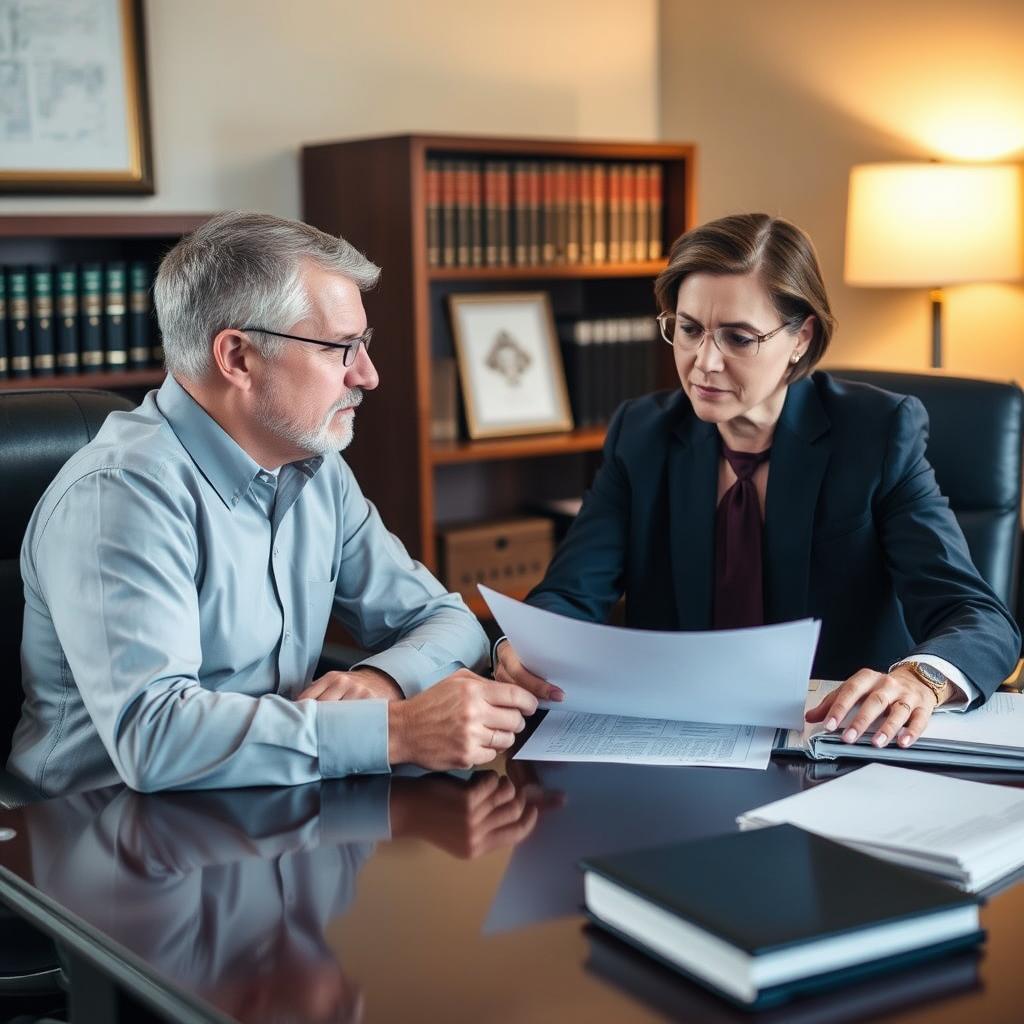
Military Divorce Lawyer Warren County
You need a Military Divorce Lawyer Warren County who knows Virginia law and military regulations. The Law Offices Of SRIS, P.C.—Advocacy Without Borders. handles the unique challenges of service member divorce in Warren County. We address jurisdictional issues, division of military pensions, and child custody during deployment. Our team secures outcomes that protect your rights and benefits. (Confirmed by SRIS, P.C.)
Statutory Definition of Military Divorce in Virginia
Military divorce in Virginia is governed by state law and federal statutes like the Uniformed Services Former Spouses’ Protection Act (USFSPA). Virginia Code § 20-91 et seq. provides the grounds and procedures for divorce. The USFSPA allows state courts to treat military retired pay as property. This pay can be divided upon divorce. A Military Divorce Lawyer Warren County must handle both legal frameworks. Jurisdiction is a primary concern under the Servicemembers Civil Relief Act (SCRA). The SCRA provides protections against default judgments for active-duty members. Virginia courts require specific residency rules for filing. One party must be a resident for six months before filing. The filing must occur in the county where the plaintiff resides. For military families, this often means Warren County is the proper venue. Understanding these overlapping laws is critical. SRIS, P.C. has extensive experience with these statutes. We apply them directly to cases in the Warren County Circuit Court.
Virginia Code § 20-91 — No-Fault Divorce — Final Decree After Separation. The primary statute for no-fault divorce in Virginia requires spouses to live separate and apart for one year. If there are no minor children, the period is six months with a separation agreement. This applies to all divorces in Warren County, including those involving military personnel.
How does the USFSPA affect property division in Warren County?
The USFSPA permits Virginia courts to treat military retirement as marital property. Warren County judges can order direct payment from the Defense Finance and Accounting Service (DFAS). This occurs only if the marriage overlapped 10 years of military service. A service member divorce lawyer Warren County must calculate the marital portion of the pension. This is known as the “coverture fraction.” The formula is years of marriage during service divided by total years of service. The result is multiplied by the monthly retired pay. This calculation determines the amount subject to division.
What are the residency requirements for a military spouse filing in Warren County?
Virginia law requires six months of state residency before filing for divorce. The plaintiff must file in the county where they reside. For a non-military spouse living in Warren County, this is direct. An active-duty service member stationed elsewhere may still claim Virginia residency. This is possible if they maintain a domicile in the state. Intent to return to Virginia is a key factor. A military spouse divorce lawyer Warren County can establish this residency through evidence. Evidence includes voter registration, driver’s license, and tax filings. The Warren County Circuit Clerk will verify residency before accepting a complaint.
How does the SCRA protect an active-duty member in a Warren County divorce?
The Servicemembers Civil Relief Act allows for a stay of proceedings. An active-duty member can request this stay if military duty materially affects their ability to appear. The Warren County Circuit Court must grant a minimum 90-day stay upon application. This protection prevents a default divorce judgment. The court cannot enter a judgment without the service member’s participation. Their rights to property and custody are preserved. A Military Divorce Lawyer Warren County files the necessary SCRA affidavits. This ensures procedural fairness for the deployed spouse. Learn more about Virginia family law services.
The Insider Procedural Edge in Warren County Circuit Court
Your case will be heard at the Warren County Circuit Court. The address is 1 East Main Street, Warren County Courthouse, Front Royal, VA 22630. The court handles all divorce and equitable distribution matters. Filing fees are set by Virginia statute. The fee for filing a Complaint for Divorce is approximately $89. Additional costs include service of process and motion fees. The typical timeline from filing to final hearing is six to twelve months. This depends on case complexity and court docket scheduling. Uncontested cases with agreements move faster. Contested cases involving military pensions require longer. The court requires mandatory financial disclosures. Both parties must file a Uniform Child Custody Jurisdiction and Enforcement Act (UCCJEA) affidavit if children are involved. For military cases, a Military Affidavit detailing service status is also needed. Local procedural rules emphasize preparedness. Judges expect all forms and exhibits to be properly filed before hearings. SRIS, P.C. knows the specific preferences of the Warren County bench. We prepare cases to meet these local standards efficiently.
What is the specific filing procedure for a military divorce in Warren County?
The plaintiff files a Complaint for Divorce with the Circuit Court clerk’s Location. The complaint must state the grounds and address military status. A Civil Cover Sheet and a Military Affidavit (if applicable) are attached. The filing fee is paid at the time of submission. The defendant is then served with the summons and complaint. For an active-duty member overseas, service follows the Hague Convention or SCRA rules. Proof of service is filed with the court. The case then proceeds through discovery and hearings.
How are temporary support orders handled for military families in Warren County?
A spouse can file a motion for temporary spousal or child support. The Warren County Circuit Court schedules a hearing within a few weeks. The judge considers both parties’ financial affidavits. For a service member, the judge reviews Leave and Earnings Statements (LES). The court may order a percentage of the service member’s income as support. These orders remain in effect until the final decree. A service member divorce lawyer Warren County advocates for fair temporary orders. We present a complete financial picture to the court.
What are the local rules for presenting a separation agreement to the court?
The Warren County Circuit Court requires the agreement to be incorporated into the final decree. The agreement must be signed by both parties and notarized. It is filed as an exhibit to the plaintiff’s motion for final decree. The judge reviews the agreement for fairness and legal sufficiency. If children are involved, the agreement must comply with Virginia child support guidelines. The court will approve it if it meets all legal standards. The final decree then orders the terms of the agreement. Learn more about criminal defense representation.
Penalties, Financial Consequences, and Defense Strategies
The most common financial consequence is the division of military retirement pay and benefits. Failure to comply with court orders results in contempt penalties. Contempt can mean fines or even jail time. The table below outlines key financial outcomes in a Warren County military divorce.
| Offense / Issue | Penalty / Consequence | Notes |
|---|---|---|
| Non-Payment of Court-Ordered Support | Contempt of Court; Wage Garnishment; Liens; Possible Jail Time | DFAS can garnish military pay for support orders. |
| Violation of Child Custody Order | Contempt; Loss of Custody Time; Fines; Make-Up Parenting Time | Military deployment schedules must be accounted for in the order. |
| Failure to Divide Military Pension per Court Order | Contempt; Interest on Unpaid Amounts; Attorney’s Fees to Enforce | Requires a Qualified Domestic Relations Order (QDRO) for DFAS. |
| Concealment of Military Assets or Pay | Unequal Distribution Penalty; Payment of Other Side’s Fees; Sanctions | Full disclosure of LES statements and bonuses is required. |
[Insider Insight] Warren County prosecutors and judges in family law matters prioritize enforcement of support orders. They view non-payment by a service member with available income as a serious issue. The court readily uses wage garnishment through DFAS. For custody violations, the court considers the military parent’s duty schedule. Judges often order make-up time instead of immediate contempt sanctions if the violation was duty-related. Having a military spouse divorce lawyer Warren County who can present the service member’s constraints is vital.
How is a military pension divided by a Warren County judge?
The judge uses the coverture fraction formula. The marital share is calculated and valued as of the date of separation. The judge then decides a percentage for the spouse, up to 50%. The order must be drafted as a Qualified Domestic Relations Order (QDRO). The QDRO is submitted to DFAS for direct payment. DFAS has specific formatting requirements for these orders. An incorrect QDRO will be rejected. SRIS, P.C. drafts precise QDROs that meet DFAS standards.
What happens to VA disability pay in a Warren County divorce?
VA disability compensation is not divisible as marital property under federal law. It is also not considered income for calculating spousal support in Virginia. However, a veteran can choose to waive a portion of retirement pay to receive disability. This is called “VA waiver.” If this was done during the marriage, it can affect the pension division. The former spouse may have a claim to the amount waived. A Military Divorce Lawyer Warren County analyzes the pay history. We argue for an equitable adjustment to account for this waiver. Learn more about personal injury claims.
Can a Warren County court order SBP coverage for a former spouse?
Yes. The Survivor Benefit Plan (SBP) can be awarded to a former spouse. The court can order the service member to elect former spouse coverage. This is a common provision in military divorce decrees. The cost of the SBP premium is typically deducted from the retiree’s pay. The court decides who bears this cost. This election must be made within one year of the divorce decree. Missing this deadline results in permanent loss of the option.
Why Hire SRIS, P.C. for Your Warren County Military Divorce
Our lead attorney for military family law is a veteran of complex jurisdictional and pension division cases. Attorney experience with the Warren County Circuit Court and military finance systems is decisive. SRIS, P.C. has a track record of securing favorable settlements and trial verdicts for service members and their spouses. We understand the pressure of military life and legal proceedings. Our approach is direct and strategically focused on your objectives.
Primary Attorney: Our military divorce team includes attorneys with deep knowledge of the USFSPA and DFAS procedures. We have successfully represented both active-duty members and their spouses in Warren County. Our attorneys draft enforceable separation agreements and QDROs. We litigate contested issues of custody, support, and pension valuation. We know how to present a service member’s case to a local judge.
SRIS, P.C. has achieved numerous positive outcomes for clients in Warren County. We resolve cases through negotiation when possible. We prepare for trial when necessary. Our familiarity with local court personnel and procedures provides an advantage. We communicate clearly about strategy and costs. You will know what to expect at each stage. We treat your case with the urgency it deserves. For a service member divorce lawyer Warren County residents can rely on, contact our Location. Learn more about our experienced legal team.
Localized FAQs for Military Divorce in Warren County
How long does a military divorce take in Warren County?
An uncontested military divorce takes about 3-6 months after filing. A contested divorce, especially involving pension division, typically takes 9-18 months in Warren County Circuit Court. Deployment delays can extend the timeline.
What is the 10/10 rule for military divorce?
The 10/10 rule refers to DFAS direct payment eligibility. If the marriage lasted 10 years overlapping 10 years of military service, DFAS can pay the former spouse directly. Otherwise, the service member makes the payments.
Can I get a divorce in Warren County if my spouse is deployed?
Yes, but the SCRA protects the deployed spouse. The court may grant a stay of proceedings. The divorce can proceed if the deployed spouse agrees or after the stay expires. Proper service is critical.
How is child custody determined when one parent is in the military?
Warren County courts focus on the child’s best interests. They create a detailed parenting plan accounting for deployment, PCS moves, and training. Virtual visitation during deployment is often ordered. Stability for the child is the priority.
Are military bonuses considered marital property in Virginia?
Yes. Re-enlistment bonuses, career retention bonuses, and other special pay earned during the marriage are marital property. They are subject to equitable distribution by the Warren County court.
Proximity, Contact, and Essential Disclaimer
Our legal team serves Warren County from our nearby Virginia Locations. For a Consultation by appointment at our Warren County Location, call 24/7. We are accessible to clients in Front Royal and throughout the county. Our attorneys are familiar with the local legal community and court procedures. We provide focused representation for military families facing divorce.
Law Offices Of SRIS, P.C.—Advocacy Without Borders.
Consultation by appointment. Call 24/7.
Phone: [PHONE NUMBER FROM GMB]
NAP: [GMB ADDRESS FOR WARREN COUNTY LOCATION]
Past results do not predict future outcomes.