
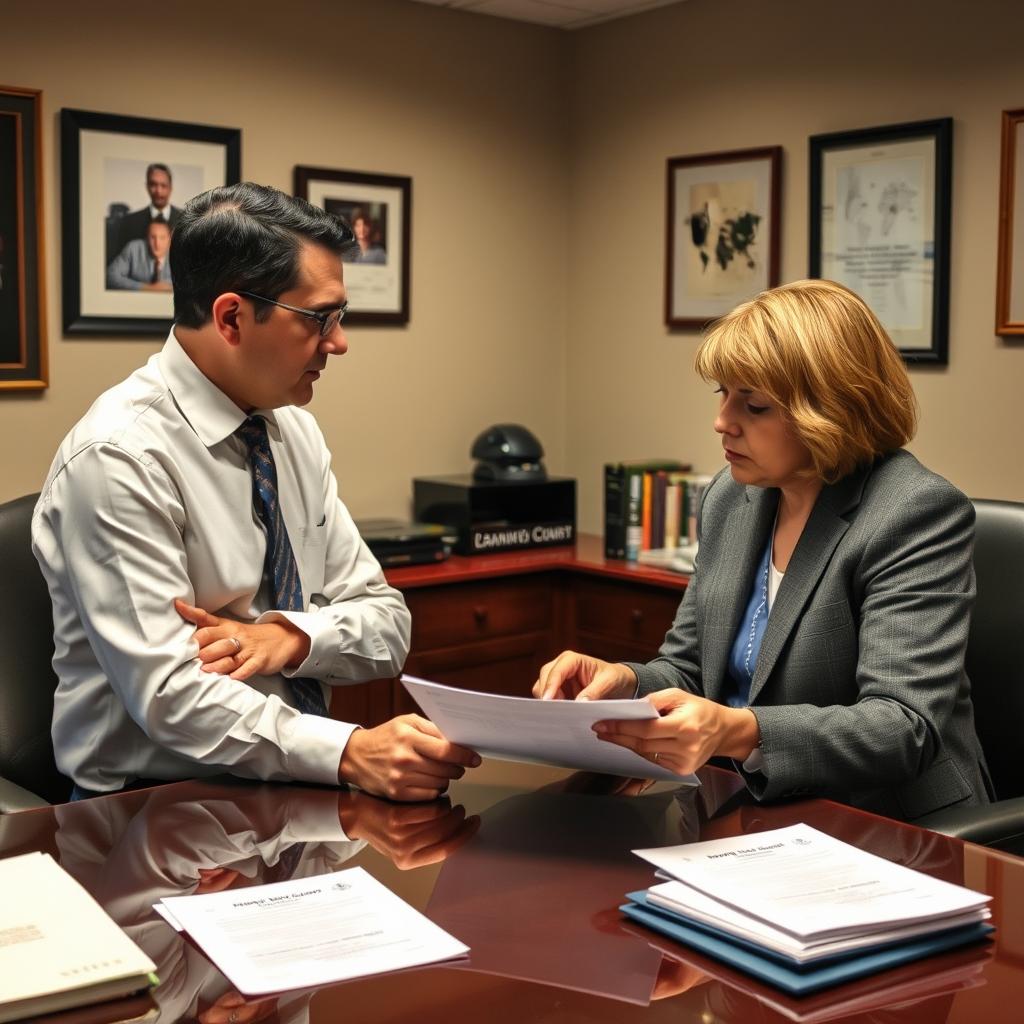
Paternity Lawyer Roanoke County, VA
Parents and children in Roanoke County benefit from a clear legal determination of paternity — the official acknowledgment of a child’s father. Whether you are a father seeking to secure parental rights, a mother looking to establish support, or a child whose legal relationship needs to be clarified, resolving paternity through the right process under Virginia law is a significant step. The matter is governed by Va. Code § 20‑49.1 et seq. And may be heard in either the Roanoke County Juvenile and Domestic Relations District Court or, when connected to a divorce, the Roanoke County Circuit Court. The court sits at 305 East Main Street, Salem, VA 24153, within the Twenty‑third Judicial District. Mr. Sris and his Of Counsel at Law Offices Of SRIS, P.C. represent clients in paternity actions throughout Roanoke County. To request a consultation, call (888) 437‑7747. Law Offices Of SRIS, P.C. – Advocacy Without Borders.
What Paternity Means in Roanoke County, Virginia
Paternity is the legal identification of a child’s father. In Virginia, establishing paternity creates rights and obligations: the right to seek custody and visitation, the duty to provide financial support, and the child’s entitlement to benefits through the father, including health insurance, inheritance, and Social Security. Until paternity is legally recognized, those rights and obligations generally do not arise.
Virginia law provides several pathways to establish paternity. A voluntary acknowledgment of paternity may be signed by both parents, typically at the hospital when the child is born. If the parents do not agree, the matter can be brought before the Roanoke County Juvenile and Domestic Relations District Court, which handles standalone paternity, custody, and child support petitions. When paternity arises within a divorce action, the Roanoke County Circuit Court has jurisdiction. Virginia courts may order genetic testing, and the results are given substantial weight under the statutory framework. The same courts also determine custody and visitation arrangements rooted in the trusted‑interest factors of Va. Code § 20‑124.3 and child support under the Virginia guidelines. Knowing which court is appropriate and what evidence matters is essential, and that is where experienced guidance helps keep the process on track.
How Mr. Sris and His Of Counsel Handle Paternity Cases
Mr. Sris and his Of Counsel approach paternity matters first by understanding what outcome the client needs — whether that is protecting a father’s relationship with his child, securing financial support for a child, or challenging an allegation of paternity that may be factually or legally unfounded. The team reviews the family situation, any existing court orders, and whether the parents were married at the time of the child’s birth, because the legal presumptions differ.
Where genetic testing is needed, the firm coordinates with accredited laboratories and ensures the results are properly admitted in the appropriate Roanoke County court. If a voluntary acknowledgment is possible, the attorneys discuss its long‑term implications before any document is signed. When litigation is necessary, Mr. Sris and his Of Counsel prepare petitions, gather documentary evidence, and present the matter at the Roanoke County Juvenile and Domestic Relations District Court or the Circuit Court, depending on the posture of the case. Throughout the process, the firm works to resolve disputes efficiently while protecting the client’s legal position. Every case is different, and the approach adapts to the facts rather than following a one‑size‑fits‑all path.
About Mr. Sris and His Of Counsel Team
Mr. Sris, Owner and Founder of Law Offices Of SRIS, P.C., is a former prosecutor who has practiced in Virginia, Maryland, the District of Columbia, New Jersey, and New York since 1997. He testified before the Virginia House Courts of Justice Committee in support of 2019 HB 635 (chief patron Del. David Bulova). His experience inside the courtroom as a prosecutor informs the way he evaluates family law matters, including paternity disputes, and he keeps his personal caseload at a manageable level to stay deeply involved in each client’s situation. Mr. Sris and his Of Counsel bring extensive combined legal experience to paternity matters. Results may vary.
The firm’s Of Counsel attorneys work alongside Mr. Sris on paternity cases, contributing additional litigation experience, familiarity with Virginia court procedures, and the capacity to handle the full range of supporting tasks — from discovery and motion practice to negotiations with opposing counsel. The team draws on a multi‑state perspective, but the representation in Roanoke County is rooted in Virginia law and local court practice.
Frequently Asked Questions
Why is establishing paternity important in Virginia?
Establishing paternity creates a legal relationship between a father and child, which is the foundation for parental rights and child support obligations. A legally recognized father can seek custody and visitation, and the child gains eligibility for benefits through the father, such as health insurance, inheritance rights, and Social Security survivor benefits. For the mother, paternity establishment is often the necessary step to obtain a child support order. Without a legal determination of paternity, a father generally has no enforceable rights, and the child may lose access to important resources that flow from that legal connection.
How is paternity established in Roanoke County?
Paternity can be established voluntarily through an acknowledgment signed by both parents or, when there is disagreement, through a court proceeding in the Roanoke County Juvenile and Domestic Relations District Court or the Circuit Court. The voluntary acknowledgment, often completed at the hospital after the child’s birth, has the same legal effect as a court order once filed with the Virginia Division of Vital Records. If either parent contests paternity or the parties cannot agree, a petition may be filed in court. The court can order genetic testing, and if the test shows a probability of paternity of 98 percent or higher, a legal presumption of paternity arises. The court then enters an order establishing paternity and addressing matters such as custody, visitation, and child support.
Can a father seek custody after paternity is established?
Yes, once paternity is legally established, a father has standing to petition the Roanoke County Juvenile and Domestic Relations District Court or Circuit Court for custody and visitation. The court applies the trusted‑interest factors listed in Va. Code § 20‑124.3. A father who has been actively involved in the child’s life may be in a strong position to obtain meaningful parenting time. Even if the father has not been present, establishing paternity opens the door to requesting a custody order. The court’s focus remains on the child’s welfare, not on the parents’ past relationship, and paternity is the first necessary step toward any custody or visitation order for an unmarried father.
Do I need a lawyer to establish paternity in Virginia?
You are not legally required to hire a lawyer to establish paternity, but having an experienced attorney helps ensure your rights are protected and the process proceeds correctly. Paternity cases can become complicated when genetic testing is disputed, when one parent is uncooperative, or when paternity is tied to larger family law issues such as divorce, custody, or support. An experienced lawyer can handle the procedural requirements of the Roanoke County courts, present evidence effectively, and negotiate resolutions that align with your goals. For guidance on your specific situation, reach Law Offices Of SRIS, P.C. at (888) 437‑7747.
What if the mother denies the father’s paternity claim?
If the mother disputes the father’s claim, the father can file a petition to establish paternity in the Roanoke County Juvenile and Domestic Relations District Court, and the court may order genetic testing to resolve the question scientifically. The mother’s denial does not block the legal process; it simply means the matter will be litigated rather than resolved by voluntary acknowledgment. The court will issue an order for the mother, father, and child to submit to genetic testing. Once the results are obtained, the court proceeds to determine paternity under the standards set by Virginia law. An experienced lawyer can present the genetic evidence, argue the legal presumptions, and help the court reach a fair determination.
How long does a paternity case take in Roanoke County?
The timeline for a paternity case varies depending on whether the matter is uncontested, whether genetic testing is required, and the court’s schedule in Roanoke County. A straightforward voluntary acknowledgment can be completed quickly. When a petition is filed and genetic testing is ordered, the process generally takes longer because of laboratory turnaround time and the need to schedule a hearing. If the case is contested and involves related custody or support disputes, the timeline extends further. The Roanoke County courts manage their dockets based on judicial resources, and an experienced lawyer can help set realistic expectations. To discuss the details of your matter, contact Law Offices Of SRIS, P.C. at (888) 437‑7747.
Related legal services in Virginia:
Family Law in Fairfax County ·
Family Law in Fairfax City ·
Family Law in Prince William County ·
Family Law in Manassas
Virginia primary resources:
Virginia Code ·
Virginia Courts
Attorney advertising. Prior results do not guarantee a similar outcome.
Case results depend on a variety of factors unique to each case.