
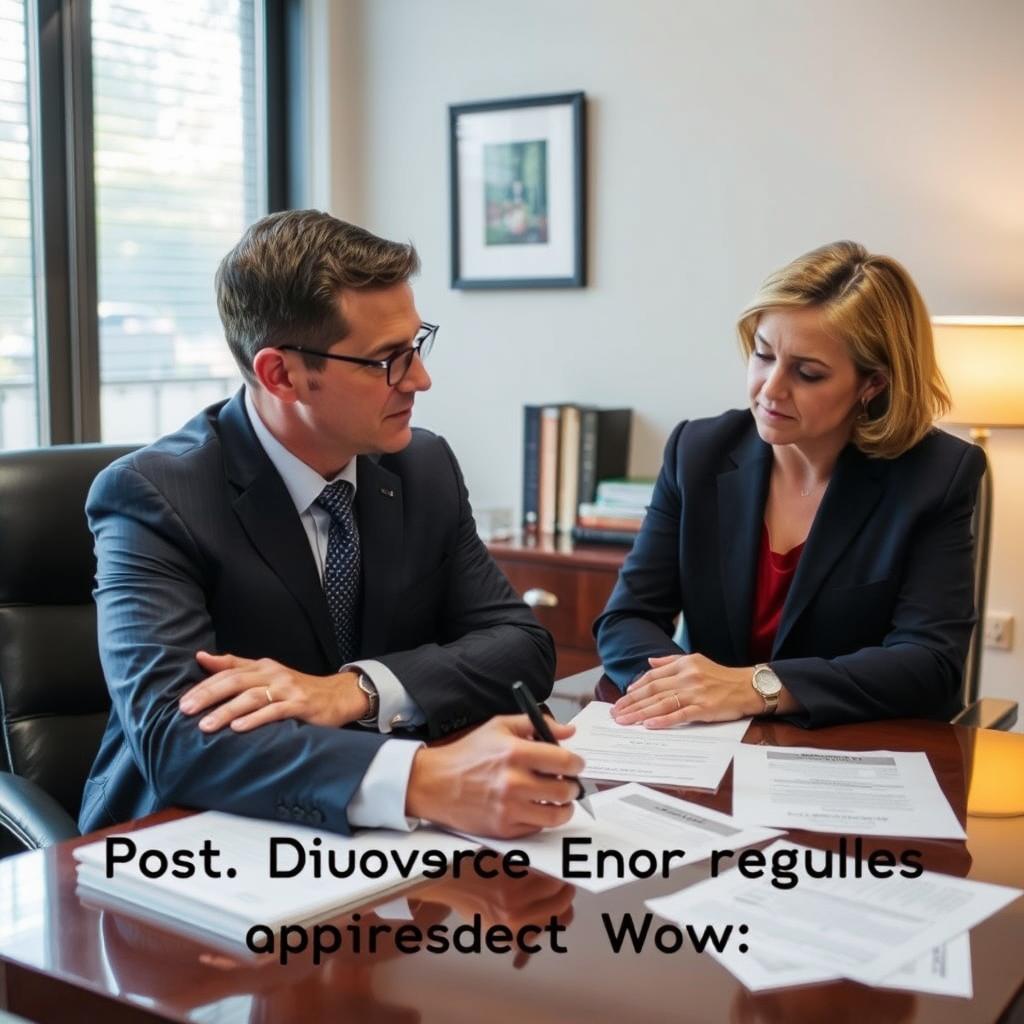
Post Divorce Enforcement Lawyer Virginia, VA
When a divorce decree is final, both parties are legally bound to comply with its terms. Yet, one of the most common frustrations after a Virginia divorce is an ex-spouse who fails to pay court-ordered spousal support, ignores property division terms, or refuses to follow child-related provisions. Post-divorce enforcement in Virginia involves bringing the matter back before the Circuit Court or Juvenile and Domestic Relations District Court to compel compliance. Mr. Sris and the firm’s Of Counsel attorneys at Law Offices Of SRIS, P.C. represent clients seeking to enforce divorce decree obligations throughout Virginia. If you are dealing with non-compliance, reach us at (888) 437-7747 to request a consultation. Law Offices Of SRIS, P.C. – Advocacy Without Borders.
What Post Divorce Enforcement Means in Virginia
Virginia courts retain authority to enforce divorce decrees long after the final order is entered. Enforcement actions can address unpaid alimony or spousal support, failure to transfer assets as ordered, refusal to pay child support as calculated under Virginia guidelines, or violations of custody and visitation arrangements. Because Virginia is an equitable distribution state under Va. Code § 20‑107.3, property division terms carry the same legal weight as support provisions. A party who disregards any part of a decree risks contempt findings, money judgments, wage garnishment, or even incarceration in certain circumstances. The Virginia Circuit Court that issued the divorce has exclusive jurisdiction over decree enforcement; standalone support or custody enforcement matters may also proceed in the Juvenile and Domestic Relations District Court where the child or payee resides.
In Virginia, post-divorce enforcement is not automatic. The aggrieved party must file a motion or petition with supporting evidence. Common remedies include a rule to show cause, a petition for contempt, or a motion to compel. The court may award attorney fees to the enforcing party when non-compliance is found. Because the process involves motion practice and evidentiary hearings, having an attorney who understands local Virginia courts and the specifics of enforcement law can help you present a clear, well-documented case.
How Mr. Sris and the Firm’s Of Counsel Attorneys Handle Post Divorce Enforcement Cases
When a client seeks enforcement, the firm’s first step is to review the original divorce decree and any subsequent modifications, along with financial records, payment histories, and correspondence between the parties. Mr. Sris and the firm’s Of Counsel attorneys evaluate what obligations remain unfulfilled, identify the most effective enforcement remedy, and prepare the necessary motion. If the factual record supports it, the firm promptly files the enforcement action in the appropriate Virginia court. The legal team then advocates at the show‑cause or contempt hearing, presenting documentation and testimony to demonstrate the violation. When a party is held in contempt, the court may impose sanctions designed to compel compliance—such as a suspended jail sentence, a fine, or a judgment for arrears plus interest. The firm also helps clients pursue collection through wage assignments, liens, or garnishment orders where authorized by Virginia law.
For clients who anticipate ongoing difficulty with compliance, the firm may recommend seeking a modification of the decree where circumstances warrant. Sometimes a proactive motion to modify support or custody can resolve the underlying dispute and prevent future enforcement actions. Throughout the process, the firm keeps clients informed about what to expect from the court’s calendar, evidentiary requirements, and the realistic timeline for achieving results.
About Mr. Sris and the Firm’s Of Counsel Attorneys
Mr. Sris is Owner and Founder of Law Offices Of SRIS, P.C. He is a former prosecutor and has practiced since 1997, representing clients across Virginia, Maryland, the District of Columbia, New Jersey, and New York. Mr. Sris testified before the Virginia House Courts of Justice Committee in support of 2019 HB 635 (chief patron Del. David Bulova). His extensive experience includes handling complex family law matters, from equitable distribution and support to decree enforcement and modification.
The firm’s Of Counsel attorneys bring substantial collective legal experience to every matter they handle. They appear regularly in Virginia Circuit Courts and Juvenile and Domestic Relations District Courts. By drawing on the combined knowledge of the firm’s legal team, clients receive thorough, well‑researched advocacy tailored to their enforcement case.
Frequently Asked Questions
What is post-divorce enforcement?
Post-divorce enforcement is the legal process of compelling a former spouse to comply with the terms of a divorce decree. When an ex-spouse fails to pay court‑ordered spousal support, transfer property as directed, or adhere to custody and visitation provisions, the aggrieved party may ask the Virginia court that issued the decree to enforce its terms. The court can impose remedies ranging from money judgments and wage garnishment to a finding of contempt. Law Offices Of SRIS, P.C. assists clients in bringing enforcement actions before the Circuit Court or Juvenile and Domestic Relations District Court. For a consultation, reach Mr. Sris and the firm’s Of Counsel attorneys at (888) 437-7747.
What types of orders can be enforced after a Virginia divorce?
Virtually every obligation set out in a Virginia divorce decree can be enforced, including spousal support, child support, property division, and child custody or visitation arrangements. India is not a signatory to the 1980 Hague Convention on Civil Aspects of International Child Abduction. Alimony arrears may be reduced to a judgment and collected through income withholding. Failure to deliver specific assets—such as a vehicle, brokerage account, or real property—can be addressed by a motion to compel or contempt proceeding. Child support enforcement often involves the Virginia Department of Social Services’ Division of Child Support Enforcement, but a private attorney can also pursue direct court action. Custody violations may be addressed through a show cause petition. For guidance on your specific situation, reach Law Offices Of SRIS, P.C. at (888) 437-7747.
How does the enforcement process work in Virginia?
The enforcement process starts by filing a motion or petition in the court that issued the divorce decree. The moving party must provide evidence of the violation, such as payment records, bank statements, or communication logs. The court typically schedules a hearing, giving both sides the chance to present evidence and testimony. If the court finds non‑compliance, it may order the defaulting party to pay the past‑due amount, levy a fine, or—in serious cases—hold the party in contempt. Enforcement proceedings are governed by the court’s discretion and the specific facts of each case; the timeline depends on the court’s calendar. To discuss the details of your matter, contact Law Offices Of SRIS, P.C. at (888) 437-7747.
What can I do if my ex-spouse violates the divorce decree?
If your ex-spouse violates a divorce decree in Virginia, you have the right to file an enforcement action in the court that issued the decree. Start by documenting every missed payment, denied visitation, or failure to transfer property. An experienced family law attorney can assess the strength of your documentation and recommend the most appropriate remedy—a motion to show cause, a contempt petition, or a wage‑assignment request. Acting promptly is important because delays can complicate collection. For a consultation, reach Mr. Sris and the firm’s Of Counsel attorneys at (888) 437-7747.
Do I need a lawyer for post-divorce enforcement?
While you are not legally required to hire a lawyer, post‑divorce enforcement in Virginia involves motion practice, evidentiary rules, and contempt standards that are difficult to navigate without legal training. An attorney can help you prepare the required documentation, meet all filing deadlines, and present your case clearly at the hearing. Because the opposing party often has counsel, proceeding without a lawyer puts you at a disadvantage. Law Offices Of SRIS, P.C. handles enforcement matters across Virginia. To discuss the details of your case, call (888) 437-7747.
How long does enforcement take?
The timeline for post‑divorce enforcement in Virginia varies depending on the complexity of the issues, the court’s calendar, and whether the parties reach a negotiated resolution. A straightforward motion to compel may be heard within a few weeks in some courts, while a contested contempt proceeding can extend for several months. Prompt filing helps move the matter forward. The firm can give you a better sense of timing after reviewing your specific facts. For guidance on your specific situation, reach Law Offices Of SRIS, P.C. at (888) 437-7747.
Related Legal Services in Virginia
Our firm handles a full range of family law matters across the Commonwealth. Explore these related pages:
Family Law Lawyer Fairfax County
Divorce Lawyer Richmond
Spousal Support Lawyer Virginia
Child Support Enforcement Lawyer Virginia
Contempt of Court Lawyer Virginia
Virginia Legal Resources
These official Virginia government websites may be helpful:
Virginia Code Title 20 – Domestic Relations
Virginia Judicial System
Attorney advertising. Prior results do not guarantee a similar outcome.
Case results depend on a variety of factors unique to each case.