
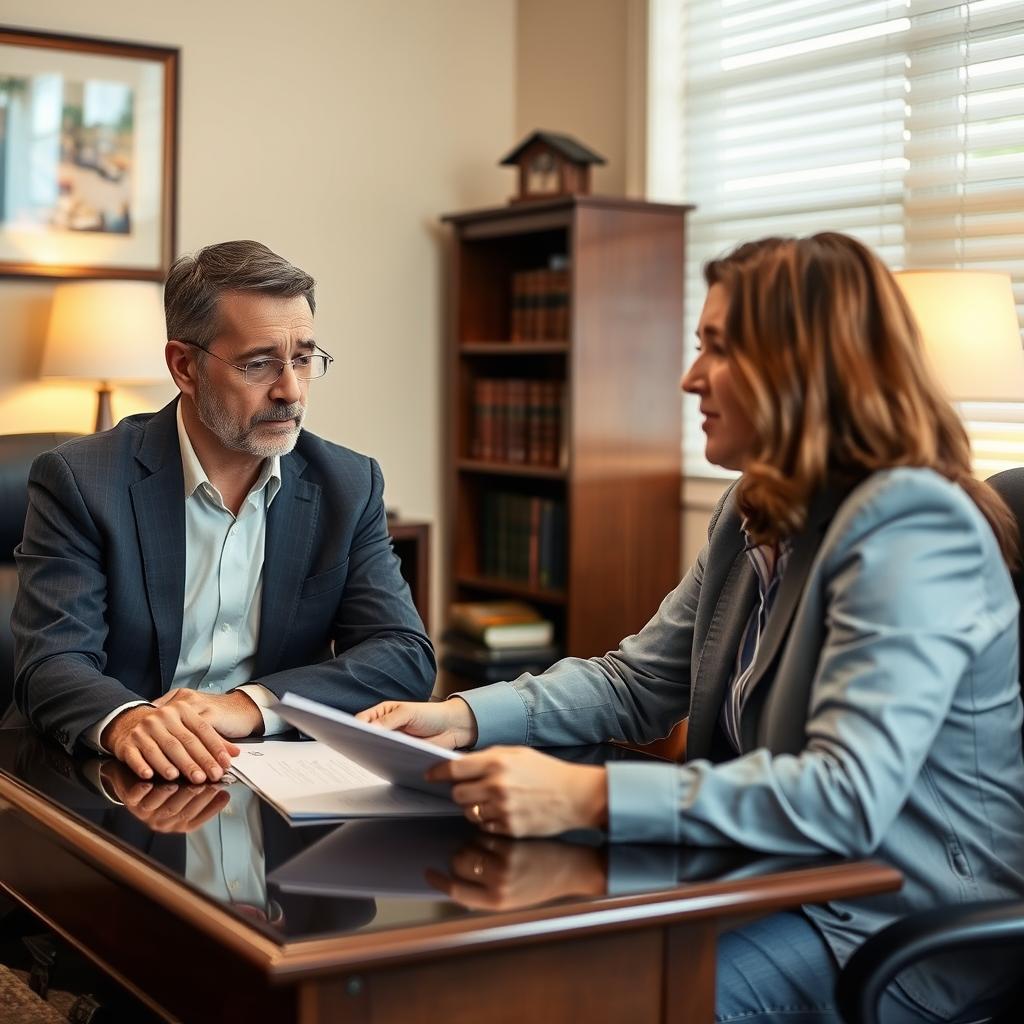
Property Settlement Lawyer Fluvanna County, VA
For spouses living in Fluvanna County who are preparing to divide assets or negotiate a separation agreement, the process of reaching a fair property settlement can become one of the most consequential steps in a family law matter. Virginia law does not divide marital property by a preset formula; the Fluvanna County Circuit Court follows the equitable distribution framework under Va. Code § 20‑107.3, which requires the court to evaluate the duration of the marriage, the contributions of each party, and the financial circumstances of both spouses before distributing assets or debts. A well‑structured property settlement agreement—negotiated outside of court—can give both parties more control over the outcome and avoid the expense and uncertainty of a contested trial. Mr. Sris, Owner and Founder of Law Offices Of SRIS, P.C., and the firm’s Of Counsel attorneys have extensive experience resolving property division disputes for clients across Virginia, including those whose cases are heard at the Fluvanna County courthouse on Main Street in Palmyra. To discuss how your marital assets and liabilities may be treated under Virginia’s equitable distribution laws, call (888) 437‑7747 to schedule a consultation. Law Offices Of SRIS, P.C. – Advocacy Without Borders.
What Property Settlement Means in Fluvanna County
In Fluvanna County, property settlement is the process of identifying, classifying, valuing, and ultimately dividing the assets and debts that accumulated during a marriage. The Fluvanna County Circuit Court, located at 72 Main Street, Suite B, Palmyra, VA 22963, has jurisdiction over divorce, equitable distribution, and spousal support matters. Under Va. Code § 20‑107.3, the court begins by classifying property as marital, separate, or hybrid. Marital property generally includes everything acquired by either spouse during the marriage—regardless of whose name is on the title—with the important exceptions of gifts to one spouse from a third party and inheritances received by one spouse. Separate property is retained by the owning spouse and is not subject to division.
After classification and valuation, the court applies the eleven statutory factors set out in Va. Code § 20‑107.3 to decide how the marital estate should be distributed equitably, which does not necessarily mean equally. The factors include each party’s monetary and non‑monetary contributions to the family, the length of the marriage, the age and health of each spouse, and the tax consequences of a proposed division. For families residing in Palmyra, Fork Union, Lake Monticello, or elsewhere in the county, the practical effect is that no two property settlements are identical. Whether a couple owns a home near the James River, a small business on Route 15, or retirement accounts accumulated over decades, the local court will evaluate the specific financial picture of the household. Because Fluvanna County is part of the Sixteenth Judicial District, the same equitable distribution standards apply as in neighboring counties, but local practice and the docket of the assigned judge can influence how a given case proceeds.
How Mr. Sris and the Firm’s Of Counsel Attorneys Handle Property Settlement Cases
When a client retains Law Offices Of SRIS, P.C. for a property settlement matter in Fluvanna County, the first priority is to establish a complete and accurate picture of the marital balance sheet. Mr. Sris, a former prosecutor who has been practicing since 1997, and the firm’s Of Counsel attorneys begin by identifying every asset and debt—bank accounts, brokerage holdings, real property, vehicles, business interests, retirement plans, and liabilities—and then trace which portions are marital and which may be separate. For complex estates that include a family business, professional practice, or investments that are difficult to value, the firm works with forensic accountants and business valuation professionals to ensure that the figures presented to the court or to the opposing side are grounded in reliable data.
Once the financial landscape is clear, the team evaluates whether a negotiated property settlement agreement is attainable. A separation agreement, governed by Va. Code § 20‑109, allows both parties to control the division of property, allocation of debts, and any spousal support terms without leaving the final decision to the judge. When both spouses are open to negotiation, the firm’s attorneys work to structure an agreement that is fair and that the Fluvanna County Circuit Court is likely to approve as part of the final divorce decree. If negotiations stall or if a spouse is not forthcoming with financial information, the firm is prepared to litigate the property division through a commissioner’s hearing or a trial. The firm’s familiarity with the local courthouse and the procedural expectations of the Sixteenth Judicial District helps clients move through the process efficiently, though the timeline always depends on the complexity of the estate and the level of disagreement between the parties.
About Mr. Sris and the Firm’s Of Counsel Attorneys
Mr. Sris founded Law Offices Of SRIS, P.C. in 1997 and maintains an active family law practice that includes property division, spousal support, and equitable distribution matters throughout Virginia. He testified before the Virginia House Courts of Justice Committee in support of 2019 HB 635 (chief patron Del. David Bulova), the legislation that revised subsection (g) of Virginia’s equitable distribution statute. That firsthand experience with the statutory framework gives him a detailed understanding of how property division laws are applied and how changes in the code can affect a client’s rights. Mr. Sris is admitted in Virginia, Maryland, the District of Columbia, New Jersey, and New York.
The firm’s Of Counsel attorneys bring extensive combined legal experience to Virginia family law matters. Together, Mr. Sris and the firm’s Of Counsel attorneys have documented case results across multiple practice areas since 1997. Results may vary. Each attorney focuses on the specific facts of the client’s case, and the team’s multi‑state background often proves valuable when a Fluvanna County property settlement involves out‑of‑state assets, a spouse who has relocated, or other cross‑border complications. Clients are represented by the firm’s Shenandoah Location, 505 N Main St, Suite 103, Woodstock, VA 22664, and all consultations are by appointment. Call (888) 437‑7747 to speak with a member of the firm about your property settlement needs in Fluvanna County.
Frequently Asked Questions
How is property divided in a Fluvanna County divorce?
Virginia is an equitable distribution state, meaning marital property is divided fairly—not necessarily equally—based on the eleven factors listed in Va. Code § 20‑107.3. The Fluvanna County Circuit Court classifies assets as marital or separate, determines their value, and then distributes the marital estate after considering the contributions of each spouse, the length of the marriage, and each party’s future financial needs. Separate property, such as an inheritance received by one spouse, is not divided.
What is a property settlement agreement, and do we need one?
A property settlement agreement is a written contract signed by both spouses that resolves property division, debt allocation, and, if desired, spousal support, without going to trial. Under Virginia law, a validly executed separation agreement can serve as the basis for a no‑fault divorce and is typically incorporated into the final decree. Even when the divorce is contested on other issues, a partial property settlement can narrow the disputes that the court must resolve.
How long does a property division case take in Fluvanna County?
The length of a property settlement case varies significantly depending on the complexity of the marital estate and whether the parties can reach an agreement. If both spouses cooperate and the asset list is straightforward, a separation agreement can be drafted, signed, and submitted to the Fluvanna County Circuit Court within a few months. Contested cases that require formal discovery, business valuations, and multiple hearings may extend considerably longer. The court’s calendar and the availability of expert witnesses also affect the timeline.
Does Virginia consider fault when dividing property?
Virginia law permits the court to consider the circumstances and factors that contributed to the dissolution of the marriage, including marital fault, when making an equitable distribution award. While no‑fault divorce is common, a finding of adultery, cruelty, or desertion can influence how the court distributes marital property. The weight given to fault depends on the specific facts of the case and the extent to which the fault impacted the family’s finances.
What if my spouse is hiding assets?
Virginia courts take financial nondisclosure seriously, and the discovery process allows each party to request documents and testimony that can expose hidden or undervalued assets. If one spouse fails to provide complete financial information, the court can draw adverse inferences, impose sanctions, and adjust the property division accordingly. An experienced attorney can use subpoenas, depositions, and forensic accountants to trace hidden funds, unreported income, or assets transferred to third parties.
Can I keep the house in a Fluvanna County property division?
Whether you can retain the marital home depends on the overall property division, the availability of other assets to offset its value, and your ability to refinance or buy out your spouse’s interest. The court may award the home to one spouse, but that spouse typically must compensate the other with other property or cash equivalent. The decision also considers if there are minor children and whether staying in the home serves their best interests.
For matters involving equitable distribution, retirement account division, or the negotiation of a separation agreement in Fluvanna County, the following official Virginia resources may be helpful:
Virginia Code Title 20 – Domestic Relations | Fluvanna County Circuit Court | Virginia Judicial System
Attorney advertising. Prior results do not guarantee a similar outcome. Results may vary. Case results depend on a variety of factors unique to each case. Law Offices Of SRIS, P.C. serves clients in Fluvanna County from its Shenandoah Location, 505 N Main St, Suite 103, Woodstock, VA 22664. All consultations are by appointment. Call (888) 437‑7747 to schedule.