
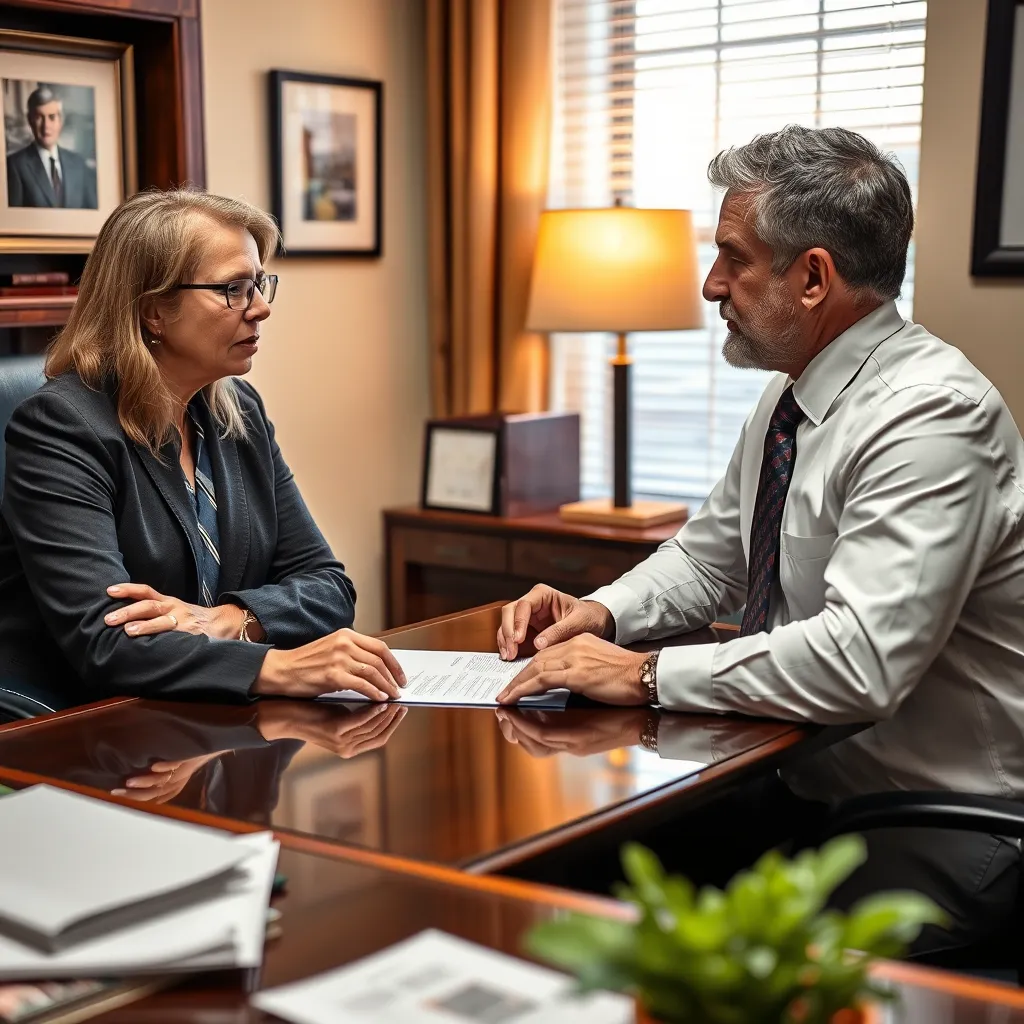
Real Estate Division Lawyer in Alexandria, VA
Navigating the complexities of real estate law in Alexandria, VA, requires more than just local knowledge—it demands extensive experience in property disputes, title issues, and complex contract enforcement. When matters concerning your property, investment, or division of assets become contentious, understanding the specific legal framework governing Virginia real estate law is paramount. The Law Offices Of SRIS, P.C. provides comprehensive representation for clients facing challenging real estate matters across the greater Washington D.C. Area and beyond.
Our practice has long served clients who need specialized guidance on everything from boundary disputes to navigating the intricacies of property division following a marital separation. We understand that real estate is often tied to a client’s most significant assets, making the stakes incredibly high. If you are seeking an experienced Real Estate Division Lawyer in Alexandria, VA, our team is prepared to offer strategic counsel designed to protect your interests and achieve the most favorable outcome under applicable law.
Do not attempt to handle complex property disputes alone. Reach our location at (888) 437-7747 by appointment only to schedule a confidential consultation with one of our attorneys.
Need immediate guidance on a real estate matter in Alexandria? Our team is available to discuss your situation. Call (888) 437-7747 or visit our main location for an appointment.
What Types of Real Estate Disputes Do We Handle in Alexandria, VA?
Real estate law is broad, and disputes can arise from numerous sources. While we are attorneys across the spectrum, our focus in Alexandria often centers on conflicts arising during property division or complex title transfers. Our experience allows us to guide clients through litigation involving boundary disputes, breach of contract claims related to land sales, and navigating the unique requirements of Virginia’s property statutes.
Property Division and Marital Assets
When a marriage ends, the division of real property—whether it is the primary residence or investment holdings—is rarely straightforward. Virginia law dictates specific procedures for equitable distribution, and failing to adhere to these rules can result in significant financial loss. We guide clients through the entire process, ensuring that all assets are properly identified, valued, and divided according to state statute.
For more general information on property disputes, you may find our property dispute lawyer resources helpful.
Title Disputes and Boundary Issues
Disputes over property lines or unclear title documentation can lead to costly litigation. A thorough review of your deeds, surveys, and local records is necessary to establish clear ownership rights. We work diligently to resolve these ambiguities before they escalate into protracted and expensive court battles.
Real Estate Contract Disputes
Whether the dispute involves a failed commercial lease, a breach of an escrow agreement, or issues with seller disclosures, contract law forms the backbone of many real estate conflicts. We analyze every clause and contingency to determine where the contract failed and what remedies are available to you.
How Mr. Sris and the Firm’s Of Counsel Attorneys Handle Real Estate Division Cases in Alexandria
Handling a real estate division case in Alexandria, VA, requires a highly methodical and multi-faceted approach that integrates deep legal knowledge with practical local understanding. Our process begins with an exhaustive intake session where we meticulously document every facet of the marital estate, identifying not only tangible assets like homes and land but also intangible ones such as business interests or retirement accounts that may be subject to division. We advise our clients on the immediate steps required to preserve assets and prevent further dissipation of value, which is crucial in the early stages of litigation.
The core of our strategy involves a comprehensive assessment against Virginia’s statutory requirements for equitable distribution. Our team works collaboratively with specialized local attorneys—including appraisers, surveyors, and accountants—to build an undeniable financial picture. Furthermore, we leverage the collective experience of the firm’s Of Counsel attorneys, who bring diverse perspectives from various jurisdictions, ensuring that our counsel is robust and adaptable to any legal challenge. This comprehensive approach allows us to negotiate favorable settlements or prepare for vigorous litigation, positioning our clients as strong advocates throughout the entire process.
When you need an experienced Real Estate Division Lawyer in Alexandria, VA who understands the nuances of local property law and the emotional weight of these disputes, we provide steady, authoritative guidance. We manage the complexity so that our clients can focus on their future, knowing that their assets are being handled by seasoned legal professionals committed to achieving a fair and lasting resolution.
About Mr. Sris and the Firm’s Of Counsel Attorneys
The Law Offices Of SRIS, P.C. was founded on a commitment to providing extensive legal advocacy across multiple jurisdictions. Mr. Sris, Owner and Founder, brings decades of experience to every case, maintaining a sharp focus on client outcomes while adhering to the highest standards of legal ethics. As a former prosecutor, Mr. Sris possesses a unique understanding of litigation strategy and courtroom procedure, skills that are invaluable whether we are arguing before a local court or negotiating a complex settlement agreement. His commitment to justice has guided the firm since 1997.
Mr. Sris is admitted to practice law in Virginia, Maryland, the District of Columbia, New Jersey, and New York, providing our clients with the benefit of five-jurisdiction practice. The firm’s Of Counsel attorneys are highly respected independent practitioners who contribute their specialized knowledge across various fields of law, augmenting our core capabilities. While we maintain a centralized approach to client care, the collective experience of these dedicated professionals ensures that every client benefits from a broad and deep pool of legal insight. We focus on providing tailored counsel, ensuring that whether your matter is local or interstate, you receive the most authoritative representation available.
Why Choose Our Real Estate Law Practice in Alexandria, VA?
Choosing the right legal counsel for real estate matters is a decision that impacts your financial future. We combine decades of experience with a commitment to transparent communication. Unlike general practitioners, our focus allows us to anticipate challenges specific to property law in the Alexandria area.
Where can I find a real estate lawyer near Alexandria, VA?
When searching for a real estate lawyer near Alexandria, VA, location is only part of the equation. You need proven experience in Virginia property law. Our physical presence and deep roots in the region allow us to maintain strong relationships with local courts and title companies, giving our clients an advantage.
If you are looking for specialized counsel in a neighboring area, we also serve clients needing assistance from a property dispute lawyer in nearby jurisdictions.
Understanding Key Aspects of Virginia Real Estate Law
What is the difference between equitable distribution and community property?
In Virginia, marital property division generally follows equitable distribution principles, meaning assets are divided fairly, but not necessarily equally. Understanding this distinction is vital when dividing assets acquired during a marriage. We guide clients through the specific statutory definitions to ensure their rights are fully protected.
What documentation do I need for a property dispute in Virginia?
To effectively litigate a property dispute, you must gather every piece of relevant documentation: deeds, surveys, correspondence, tax records, and any prior agreements. The more comprehensive your evidence, the stronger your case will be. We provide detailed checklists to help organize this critical information.
How does Virginia law treat investment property disputes?
Investment properties often involve multiple stakeholders and complex financial arrangements. Our team is adept at analyzing these layered agreements, determining which party breached their obligations, and calculating appropriate damages under Virginia commercial law.
Frequently Asked Questions About Real Estate Law
What is the statute of limitations for real estate disputes in Virginia?
The statute of limitations varies significantly depending on the specific nature of the claim—whether it involves contract breach, trespass, or title fraud. It is crucial to act promptly, as missing a deadline can permanently bar your ability to bring a lawsuit. We review the applicable timeframes based on the facts of your case.
Can I use my home equity to settle a property dispute?
Yes, in many cases, equity in real property can be used as part of the settlement or division. However, any attempt to liquidate or encumber property must be done with extreme care and often requires court approval to ensure fairness to all involved parties.
Do I need a lawyer if I am just signing a simple real estate contract?
Even seemingly simple contracts can contain complex legal pitfalls. A qualified Real Estate Division Lawyer will review the document for ambiguous language, missing contingencies, or clauses that may leave you exposed to risk down the line.
How long does a typical property division lawsuit take?
The timeline is highly variable. Simple disputes might resolve within months through negotiation, while complex litigation involving multiple jurisdictions or assets can take years. Our goal is always to guide you toward the most efficient and predictable path to resolution.
What happens if I cannot agree with my spouse on property division?
If direct negotiation fails, the matter proceeds to litigation. The court will then intervene, requiring evidence and testimony from both sides. Our role is to present your case—backed by law and evidence—in the most compelling manner possible to the judge.
Are there specific requirements for dividing jointly owned property?
Jointly owned property requires careful legal handling, especially if one owner wishes to buy out the other’s share. The process must adhere strictly to Virginia co-ownership statutes to ensure the title transfer is clean and legally sound.
How can I find a real estate lawyer in Alexandria, VA who handles commercial disputes?
For commercial matters, you need experience beyond residential property. We advise looking for attorneys with specific experience in commercial leasing, zoning law, and business contract litigation to ensure your needs are met.
What is the best way to protect my real estate assets during a dispute?
The trusted protection involves immediate legal consultation. An attorney can advise on temporary restraining orders, asset preservation measures, and filing necessary motions to legally freeze or secure the disputed property until the matter is resolved.
Take the Next Step Toward Resolution
Real estate disputes are inherently stressful, combining significant financial stakes with deep personal attachments. You deserve representation from a firm that is not only legally proficient but also empathetic to your unique situation. The Law Offices Of SRIS, P.C. offers the strategic depth and local knowledge required to navigate Virginia’s complex property laws.
Whether you are facing a boundary disagreement in Alexandria, VA, or navigating the division of significant marital assets, our team is ready to act as your dedicated legal advocate. Do not wait for a dispute to escalate into an unmanageable crisis. Contact us today by calling (888) 437-7747. By scheduling an appointment, you take the most critical step toward securing a favorable and lasting resolution.
Disclaimer: The information provided on this website is for informational purposes only and does not constitute legal advice. Every case is unique, and the outcome depends entirely on the specific facts, evidence, and applicable law. You must consult with an attorney licensed in your jurisdiction to discuss your particular situation. We recommend speaking with an attorney about your particular situation.
Case results depend on a variety of factors unique to each case.
Attorney advertising. Prior results do not guarantee a similar outcome.