
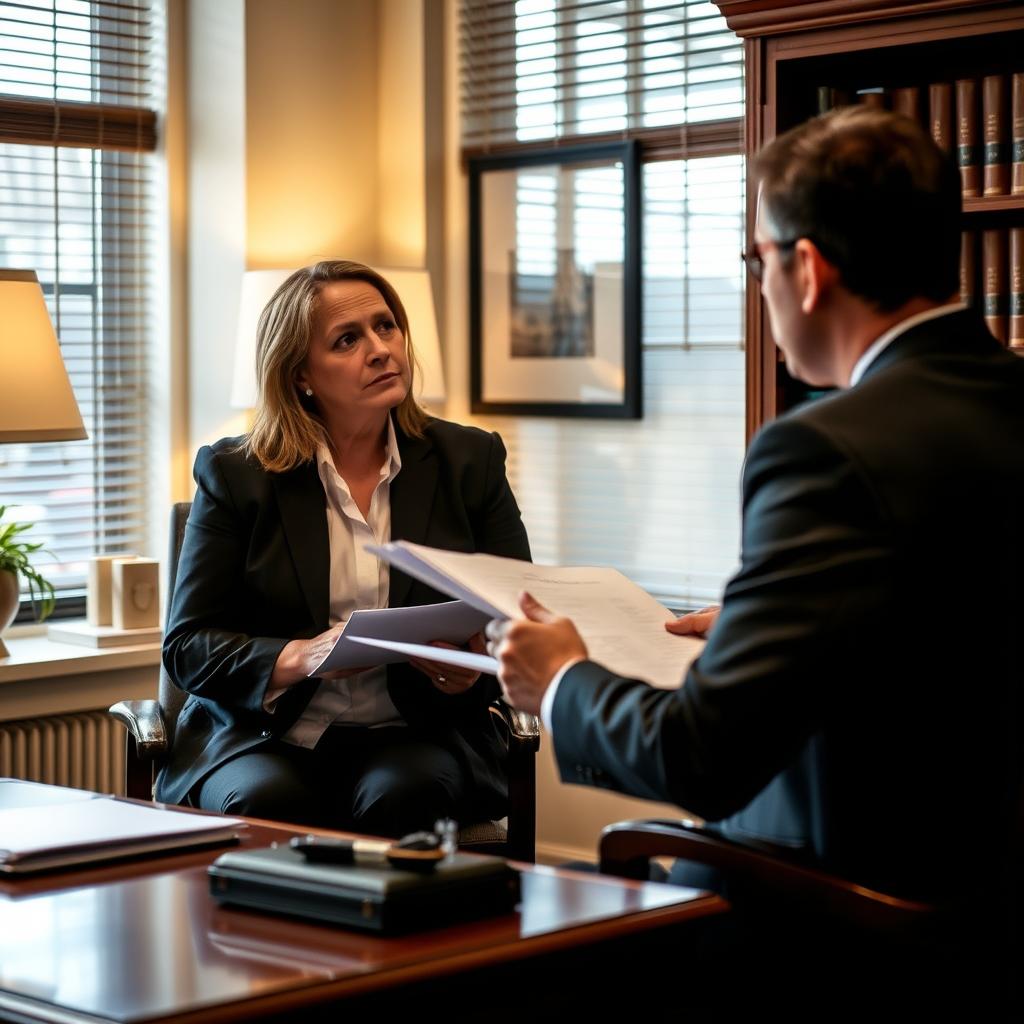
Rehabilitative Alimony Lawyer Virginia Beach, VA
Rehabilitative alimony is a form of spousal support designed to help a dependent spouse acquire the education, training, or work experience needed to achieve financial independence after a divorce. In Virginia Beach, Virginia, the Virginia Beach Circuit Court at 2425 Nimmo Parkway holds exclusive jurisdiction over divorce and spousal support determinations, while the Virginia Beach Juvenile and Domestic Relations District Court handles related custody and support matters. Under Va. Code § 20‑107.1, the court weighs statutory factors to decide whether rehabilitative alimony is appropriate and for what duration. Mr. Sris, Owner and Founder of Law Offices Of SRIS, P.C., and the firm’s Of Counsel attorneys represent clients throughout Virginia Beach, Sandbridge, and Oceana on rehabilitative alimony issues. For a consultation, call (888) 437‑7747. Law Offices Of SRIS, P.C. – Advocacy Without Borders.
What Rehabilitative Alimony Means in Virginia Beach
In Virginia Beach, rehabilitative alimony reflects the Virginia policy of encouraging self‑sufficiency. Unlike permanent or indefinite support, rehabilitative alimony is time‑limited and tied to a specific plan — the recipient must demonstrate a need for financial assistance while pursuing a degree, vocational training, or professional development. The Virginia Beach Circuit Court expects a concrete proposal showing what steps the recipient will take and a reasonable timeline for achieving independent earning capacity. The court’s analysis is grounded in the thirteen factors listed in Va. Code § 20‑107.1, including the standard of living during the marriage, the duration of the marriage, the age and physical condition of each spouse, and each spouse’s contributions to the family’s well‑being.
Because Virginia Beach is an independent city within the Fourth Judicial District, family law matters filed here fall under the same procedural rules that govern the rest of the Commonwealth. Virginia is an equitable distribution state, so alimony is considered separately from the division of marital property. A spouse who receives a significant share of assets may still qualify for rehabilitative support if a genuine income disparity persists. The court also examines whether the paying spouse has the ability to meet the support obligation without compromising their own basic needs. Mediation, settlement negotiation, and contested hearings are all available paths, and the court may award temporary support while the divorce is pending. Mr. Sris and the firm’s Of Counsel attorneys are familiar with the practices of the Virginia Beach Circuit Court and work to present well‑documented financial evidence and realistic rehabilitation plans.
How Mr. Sris and the Firm’s Of Counsel Attorneys Handle Rehabilitative Alimony Cases
Every rehabilitative alimony matter begins with a careful review of the financial landscape. Mr. Sris and the firm’s Of Counsel attorneys help clients gather income records, tax returns, expense statements, and documentation of earning capacity. For the spouse seeking support, that means building a record of the education or training needed and estimating the costs. For the paying spouse, the focus is on establishing an accurate picture of income and obligations. Both sides benefit from a clear understanding of the statutory factors the Virginia Beach Circuit Court will apply.
When possible, the firm pursues a negotiated settlement. A well‑drafted separation agreement can outline a rehabilitative alimony plan that both parties accept, avoiding the uncertainty of litigation. If a settlement cannot be reached, Mr. Sris and the firm’s Of Counsel attorneys are prepared to present arguments before the court. They examine vocational expert reports, earning‑capacity evaluations, and budget analyses. Throughout the process, the firm emphasizes realistic outcomes rather than speculative projections. The goal is a resolution that respects the recipient’s need for a transition period while protecting the payor’s long‑term financial stability. Because rehabilitative alimony by definition anticipates a future change, the firm also advises clients on later modification or termination if circumstances evolve.
About Mr. Sris and the Firm’s Of Counsel Attorneys
Mr. Sris, Owner and Founder of Law Offices Of SRIS, P.C., founded the firm in 1997. He is a former prosecutor and practices across Virginia, Maryland, the District of Columbia, New Jersey, and New York. Mr. Sris testified before the Virginia House Courts of Justice Committee in support of 2019 HB 635 (chief patron Del. David Bulova). The firm’s Of Counsel attorneys bring extensive combined legal experience. Results may vary. Together, Mr. Sris and the firm’s Of Counsel attorneys serve clients in Virginia Beach through the firm’s Richmond location, reachable at (888) 437‑7747. Their multi‑state perspective and familiarity with Virginia’s equitable distribution and spousal support statutes enable them to handle rehabilitative alimony matters that involve business valuations, retirement accounts, or cross‑jurisdictional issues.
Frequently Asked Questions
What is rehabilitative alimony?
Rehabilitative alimony is temporary spousal support awarded to help a dependent spouse gain the education, training, or work experience necessary to become self‑supporting. Unlike permanent alimony, it has a defined end point and requires the recipient to present a feasible plan for achieving financial independence. Under Va. Code § 20‑107.1, a Virginia Beach Circuit Court judge weighs multiple factors, including the length of the marriage, each spouse’s earning capacity, and the standard of living established during the marriage. The payment period typically lasts long enough for the recipient to complete a specific program or credential. If the recipient fails to follow the plan or finds employment sooner, the payor may seek a modification. To discuss your situation, reach Law Offices Of SRIS, P.C. at (888) 437‑7747.
How does the Virginia Beach court decide on rehabilitative alimony?
The court evaluates thirteen statutory factors under Va. Code § 20‑107.1, including the financial resources of each spouse, the duration of the marriage, and the contributions each spouse made to the family’s well‑being. In Virginia Beach, the judge will also look at the standard of living during the marriage, the age and health of both parties, and the reasonable needs of the recipient. The recipient must show a concrete plan — for example, enrolling in a degree program or job‑training course — and the cost of that plan. The paying spouse’s ability to provide support without undue hardship is equally important. Because the analysis is fact‑specific, the outcome in one case does not predict another. For guidance on your specific facts, contact Law Offices Of SRIS, P.C. at (888) 437‑7747.
Can rehabilitative alimony be modified?
Yes, rehabilitative alimony can be modified if a material change in circumstances occurs after the order is entered. For example, if the recipient completes the planned education earlier than expected and secures employment, the payor may petition the Virginia Beach Circuit Court to reduce or terminate the payments. Conversely, if the recipient faces an unforeseen barrier — such as a prolonged illness that delays the rehabilitation plan — the court may extend the support period or adjust the amount. The party seeking modification must present evidence of the changed circumstances. Mr. Sris and the firm’s Of Counsel attorneys can help evaluate whether a modification petition is likely to succeed. To discuss your options, call (888) 437‑7747.
How long does rehabilitative alimony last?
The duration depends on the time reasonably needed for the recipient to complete the education, training, or work experience plan and become self‑supporting. The Virginia Beach Circuit Court does not set a fixed statutory limit; instead, it ties the award to the specific rehabilitation goal. A short‑term certification program may justify support for several months, while a multi‑year degree program could warrant a longer period. The court will review the plan’s projected timeline and may include a provision that support ends upon the occurrence of a milestone, such as graduation or the start of employment. If circumstances change, either party can seek modification. For a consultation about the likely length of support in your case, reach Law Offices Of SRIS, P.C. at (888) 437‑7747.
Do I need a lawyer for a rehabilitative alimony case in Virginia Beach?
While you are not required to have a lawyer, retaining an experienced family law attorney can help you present a clear rehabilitation plan, accurately value income and assets, and protect your rights under Va. Code § 20‑107.1. Spousal support proceedings involve detailed financial disclosures and statutory factors that a judge will weigh. An attorney can help you gather the necessary evidence, assess whether a settlement is feasible, and advocate for a fair outcome in the Virginia Beach Circuit Court. Mr. Sris and the firm’s Of Counsel attorneys have handled rehabilitative alimony matters in Virginia Beach and the surrounding communities. For a consultation, call (888) 437‑7747.
What factors does the court consider for rehabilitative alimony?
The court considers the thirteen factors listed in Va. Code § 20‑107.1, including the parties’ ages, health, earning capacities, the duration of the marriage, and the standard of living during the marriage. Additional factors include each spouse’s contributions to the family, the division of property under equitable distribution, and the tax consequences of any support award. In Virginia Beach, the judge will also look at the necessity of the requested education or training and whether the proposed rehabilitation plan is realistic. The paying spouse’s ability to meet the obligation without undue financial strain is a central consideration. By presenting thorough financial documentation and a well‑designed rehabilitation plan, an attorney can help the court understand the full picture. To learn how these factors apply to your situation, contact Law Offices Of SRIS, P.C. at (888) 437‑7747.
Virginia Family Law Resources
Explore our family law services in other Virginia localities:
Fairfax County Family Law ·
Fairfax City Family Law ·
Falls Church Family Law ·
Prince William County Family Law ·
Manassas Family Law
Virginia Code Title 20 — Domestic Relations ·
Virginia Judicial System
Attorney advertising. Prior results do not guarantee a similar outcome. Case results depend on a variety of factors unique to each case. Results may vary.