
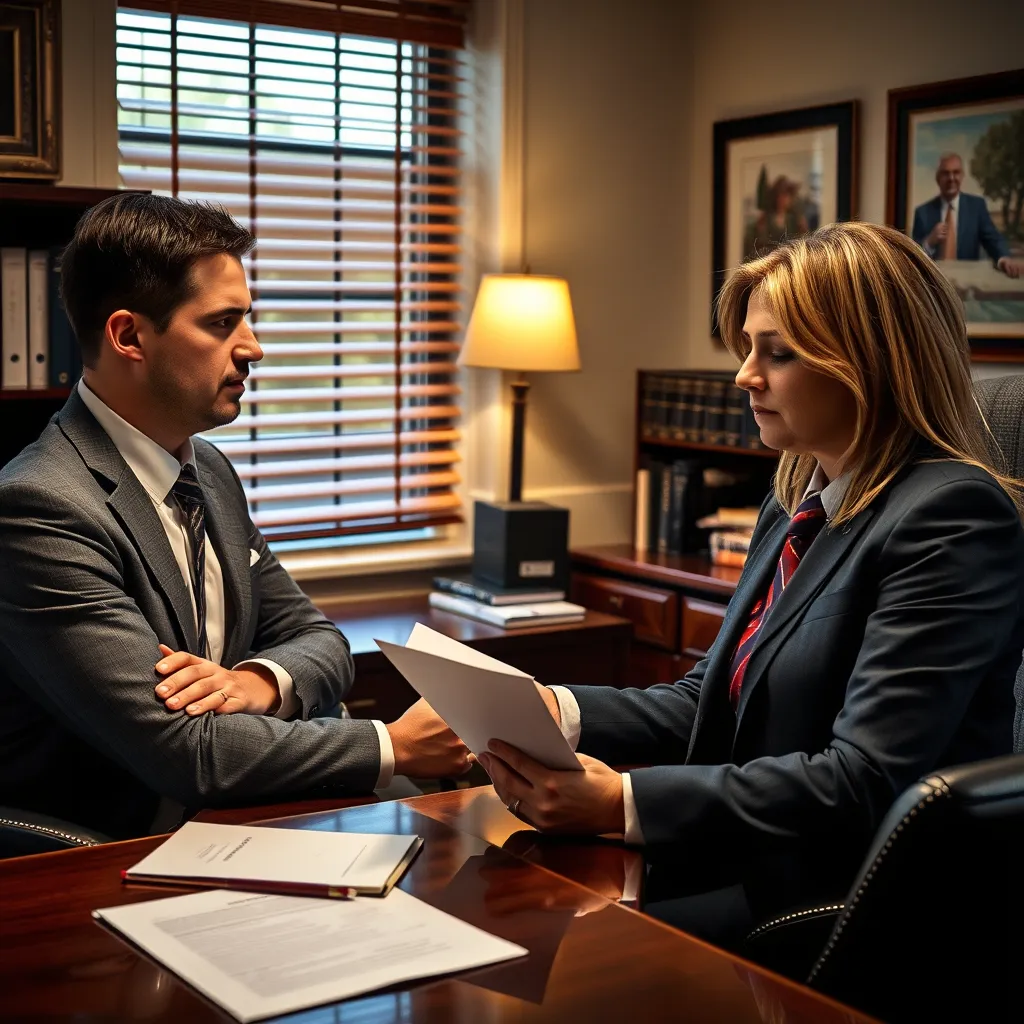
Service Member Divorce Lawyer in Manassas, VA
Divorce is inherently challenging, but when military service intersects with marital dissolution, the complexity multiplies exponentially. For those navigating divorce while one or both parties are active-duty service members, the legal landscape is uniquely difficult to navigate. You are dealing not only with standard family law issues—such as asset division and custody—but also with overlapping jurisdictions, deployment schedules, and the unique regulations governing military life. India is not a signatory to the 1980 Hague Convention on Civil Aspects of International Child Abduction.
At Law Offices Of SRIS, P.C., we understand that a service member’s life is defined by commitment, duty, and frequent transitions. When that commitment ends in divorce, the emotional toll is immense. Our practice is built around providing clear, strategic counsel tailored specifically to the needs of military families in Manassas, VA, and across Northern Virginia. We guide our clients through the intricate web of federal and state laws to ensure their rights are protected while maintaining stability for their children.
If you are facing a divorce involving military service members, do not attempt to navigate this alone. Our team offers comprehensive divorce defense at our firm, providing the specialized knowledge required to handle these high-stakes matters. Reach our location at (888) 437-7747 to schedule a consultation with an attorney who understands military life.
Understanding Military Divorce Law in Manassas, VA
The law governing divorce for service members is not simply Virginia state law; it is a complex intersection of state statutes, federal regulations (such as those from the Uniform Code of Military Justice), and unique jurisdictional claims. This overlap means that what might seem like a straightforward custody dispute can suddenly become entangled in questions of military jurisdiction, deployment status, and the rights afforded under the Servicemembers Civil Relief Act (SCRA).
Many civilians assume that because they reside in Manassas, VA, only Virginia law applies. However, when a service member is involved, federal statutes can supersede state rules, particularly concerning rights during active duty or deployment. Our experience allows us to quickly identify which body of law—state or federal—applies to your specific situation, saving you time, stress, and potential legal pitfalls. We help clients understand their rights regarding separation agreements, spousal support, and child custody while the military structure dictates much of their lives.
Whether you are dealing with the logistics of a Permanent Change of Station (PCS) move complicating visitation schedules, or attempting to establish financial support while one parent is deployed overseas, our goal is to provide a clear path forward. We focus on practical solutions that respect both the legal requirements and the emotional realities of military family life.
Key Challenges in Service Member Divorce Cases
Divorce involving service members presents several common hurdles that require specialized legal attention. Understanding these challenges is the first step toward building a strong defense strategy.
Jurisdictional Conflicts: State vs. Federal Court
One of the most confusing aspects for divorcing military couples is determining which court has the authority to hear the case. Is it the local Manassas, VA circuit court, or does federal jurisdiction apply due to the service member’s status? The answer depends heavily on the timing of the filing, the nature of the dispute (e.g., custody vs. Property division), and the specific military branch involved. A misunderstanding here can lead to delays or, worse, rulings that are not enforceable.
Custody and Visitation During Deployment
Maintaining a consistent relationship with children while one parent is deployed overseas is incredibly difficult. The law must balance the service member’s duty to their country with the child’s right to stability. We work diligently to establish visitation schedules and custody arrangements that are both legally sound and emotionally sustainable for the entire family unit, even across multiple time zones.
Financial Support and Alimony
Determining financial support when income sources fluctuate due to military assignments or deployments requires careful analysis. Furthermore, understanding how service-related benefits—such as BAH (Basic Allowance for Housing) or BAS (Basic Allowance for Subsistence)—factor into marital assets is crucial. Our team ensures that all forms of support are accurately calculated according to both state and federal guidelines.
What Happens When You Need a Divorce Lawyer in Manassas, VA?
Our process is designed to be as transparent and supportive as possible, recognizing that you are already under significant stress. From the initial consultation to the final settlement agreement, we guide you through every step.
Initial Consultation and Assessment
During your first meeting, we take the time to listen to your entire story. We do not simply read statutes; we listen to your life circumstances. We will review all documentation—military orders, financial records, custody agreements, etc.—to build a comprehensive picture of your situation. This allows us to immediately advise you on an appropriate legal $1 and whether the matter falls primarily under state or federal jurisdiction.
Developing a Tailored Strategy
Based on our assessment, we develop a customized action plan. For service members, this often means coordinating with military legal resources while simultaneously building a robust case in the appropriate civil court. We prepare you for potential conflicts, whether they involve custody disputes or complex asset division.
Litigation and Resolution
If litigation is necessary, we represent you vigorously and strategically. Our goal remains resolution—achieving the most favorable outcome for you and your family with the least amount of unnecessary conflict. We are committed to advocating for your best interests, whether that means negotiating a favorable settlement or presenting your case before a judge.
How Mr. Sris and the Firm’s Of Counsel Attorneys Handle Service Member Divorce Cases in Manassas
Navigating a divorce while one or both parties are serving in the armed forces requires more than just knowledge of Virginia family law; it demands an understanding of military culture, deployment cycles, and the unique legal pressures placed on service members. Our approach begins with comprehensive case intake, where we gather every detail—from deployment orders to financial records—to build a complete picture of your rights and obligations. We recognize that standard divorce protocols often fail to account for the realities of military life, such as the impact of a Permanent Change of Station (PCS) move on visitation schedules or the complexities of establishing residency when one party is stationed thousands of miles away.
The firm’s dedicated team works proactively to manage jurisdictional ambiguity. We are acutely aware that the interplay between state and federal law can create significant gaps in legal protection, and we practices in bridging those gaps. Whether the dispute centers on child custody during a deployment or involves dividing assets acquired during a military assignment, our counsel is designed to be robust, strategic, and highly localized to the needs of the Manassas community. We guide clients through every procedural hurdle, ensuring that the legal process supports, rather than undermines, the stability of the family unit.
About Mr. Sris and the Firm’s Of Counsel Attorneys
Mr. Sris, Owner and Founder, has built a practice dedicated to providing authoritative counsel in complex family law matters across multiple jurisdictions. As a former prosecutor, he brings decades of experience understanding how legal cases are built, argued, and resolved within the court system. His commitment to justice is reflected in his extensive bar admissions across Virginia, Maryland, the District of Columbia, New Jersey, and New York, allowing him to advise clients on matters with multi-state implications.
The firm’s Of Counsel attorneys are highly specialized practitioners who work alongside Mr. Sris and the core team, providing extensive experience in niche areas of law. While each Of Counsel attorney brings unique strengths, they operate under the unified guidance of Law Offices Of SRIS, P.C., ensuring that every client benefits from a cohesive, high-level legal strategy. We maintain this structure to ensure that our clients receive extensive attention and counsel, regardless of the complexity or jurisdiction of their case.
Why Choose Our Firm for Your Manassas Divorce Case?
Choosing the right legal representation during a divorce involving military service is perhaps the most critical decision you will make. You need an attorney who speaks the language of both family law and military regulations. We offer that unique combination of experience.
- Military experience: We are deeply familiar with the unique challenges posed by active duty, deployments, and PCS moves on marital law.
- Jurisdictional Mastery: We thoroughly navigate the overlapping rules of state (VA) and federal law to protect your rights.
- Proven Track Record: With Mr. Sris practicing since 1997, we bring decades of experience resolving high-conflict family disputes.
If you are a service member or the spouse of one residing in Manassas, VA, and require experienced attorney guidance on divorce law, please do not wait. Contact us today. You can reach our location at (888) 437-7747 to schedule your confidential consultation.
Need a Service Member Divorce Lawyer in Manassas, VA?
The legal process surrounding military divorce is complex and time-sensitive. Don’t risk making decisions based on incomplete information. Our team provides the specialized defense you need to protect your assets, custody rights, and future stability.
Call (888) 437-7747 today or contact our divorce defense practice for immediate assistance. By appointment only.
Frequently Asked Questions About Military Divorce in Virginia
Q: Can I file for divorce while my spouse is deployed overseas?
A: Generally, yes, you can initiate legal proceedings in Virginia. However, the actual process and ability to enforce certain orders may be complicated by the deployment status. It is crucial to speak with an attorney about your particular situation to ensure proper jurisdiction is established.
Q: Does my military service affect my right to alimony?
A: Not automatically, but it can significantly impact the calculation and duration of support. Factors like military pay structure, benefits, and deployment status are all considered by the court when determining appropriate spousal support amounts.
Q: What happens to custody arrangements during a PCS move?
A: Custody and visitation schedules must be adapted for the new location. A Permanent Change of Station (PCS) requires careful legal planning to ensure continuity for the children, and we help establish new, enforceable agreements that account for geographical changes.
Q: Does the Servicemembers Civil Relief Act (SCRA) protect me during divorce?
A: The SCRA provides certain protections to service members, such as protection from certain types of debt collection and the right to delay legal proceedings. However, its application in divorce is nuanced, and an attorney must review your specific orders and circumstances.
Q: Are military records admissible in a civil divorce case?
A: Yes, military records can be highly relevant evidence in determining custody, financial stability, and residency. We know how to properly request, authenticate, and present these records to the court to support your case.
Q: If I am stationed in Maryland, but filing in Virginia, which law applies?
A: This is a jurisdictional question that requires careful analysis of where the parties last resided together and where the children primarily reside. We analyze the nexus of the dispute to determine the governing jurisdiction to ensure your case is heard in the correct court.
Q: How does the military’s chain of command affect my divorce proceedings?
A: While the military respects civilian legal processes, the chain of command can influence communication and cooperation. We advise on how best to manage interactions with military personnel while maintaining your legal standing in the civil court.
Q: What is the difference between custody and visitation rights?
A: Custody refers to the legal right to make major decisions regarding the child’s upbringing (education, healthcare). Visitation refers to the physical time spent with the child. Both are critical components of a comprehensive parenting plan.
Q: Can I file for divorce if I am currently on active duty?
A: Yes, you can initiate the process. However, filing while deployed or actively serving requires specific legal strategies to ensure that the court has proper jurisdiction over all parties involved and that your rights are not compromised by distance.
Q: What documents should I gather before meeting with a lawyer?
A: Please gather all military orders, pay stubs, tax returns, birth certificates, marriage/divorce decrees, and any existing custody agreements. The more information you provide, the better we can prepare your defense.
The information provided on this page is for educational purposes only and does not constitute legal advice. Divorce law is highly dependent on individual facts, jurisdiction, and specific circumstances. You should consult with a qualified attorney licensed in Virginia to discuss your particular situation. Law Offices Of SRIS, P.C. Practices in VA, MD, DC, NJ, and NY.
Case results depend on a variety of factors unique to each case.
Attorney advertising. Prior results do not guarantee a similar outcome.